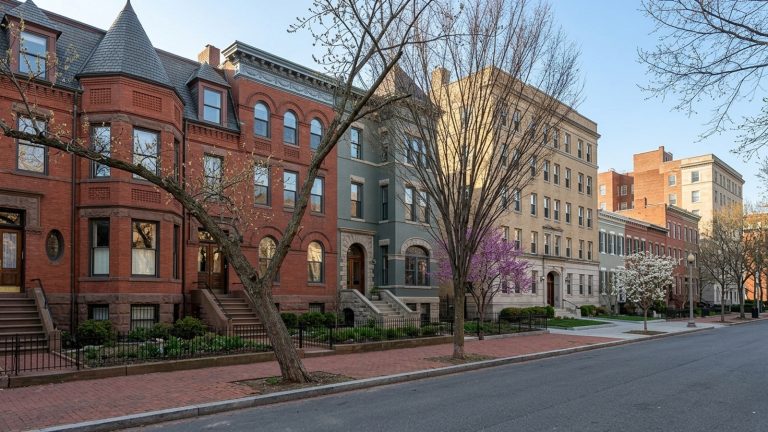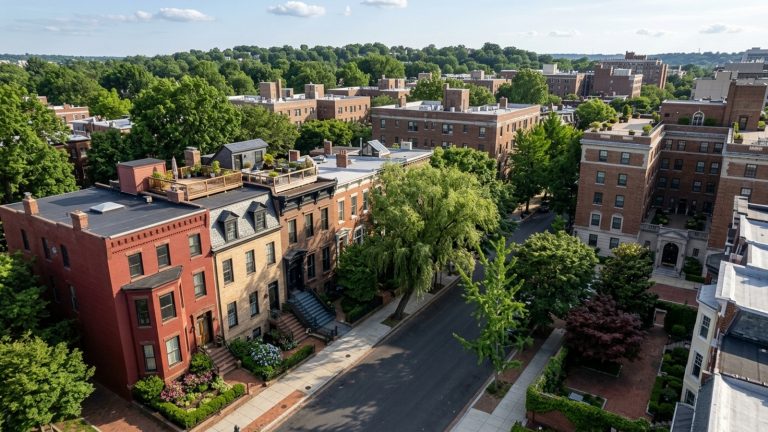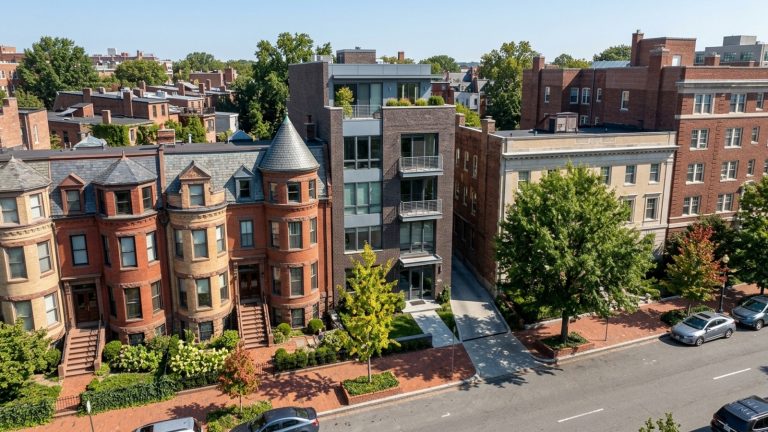

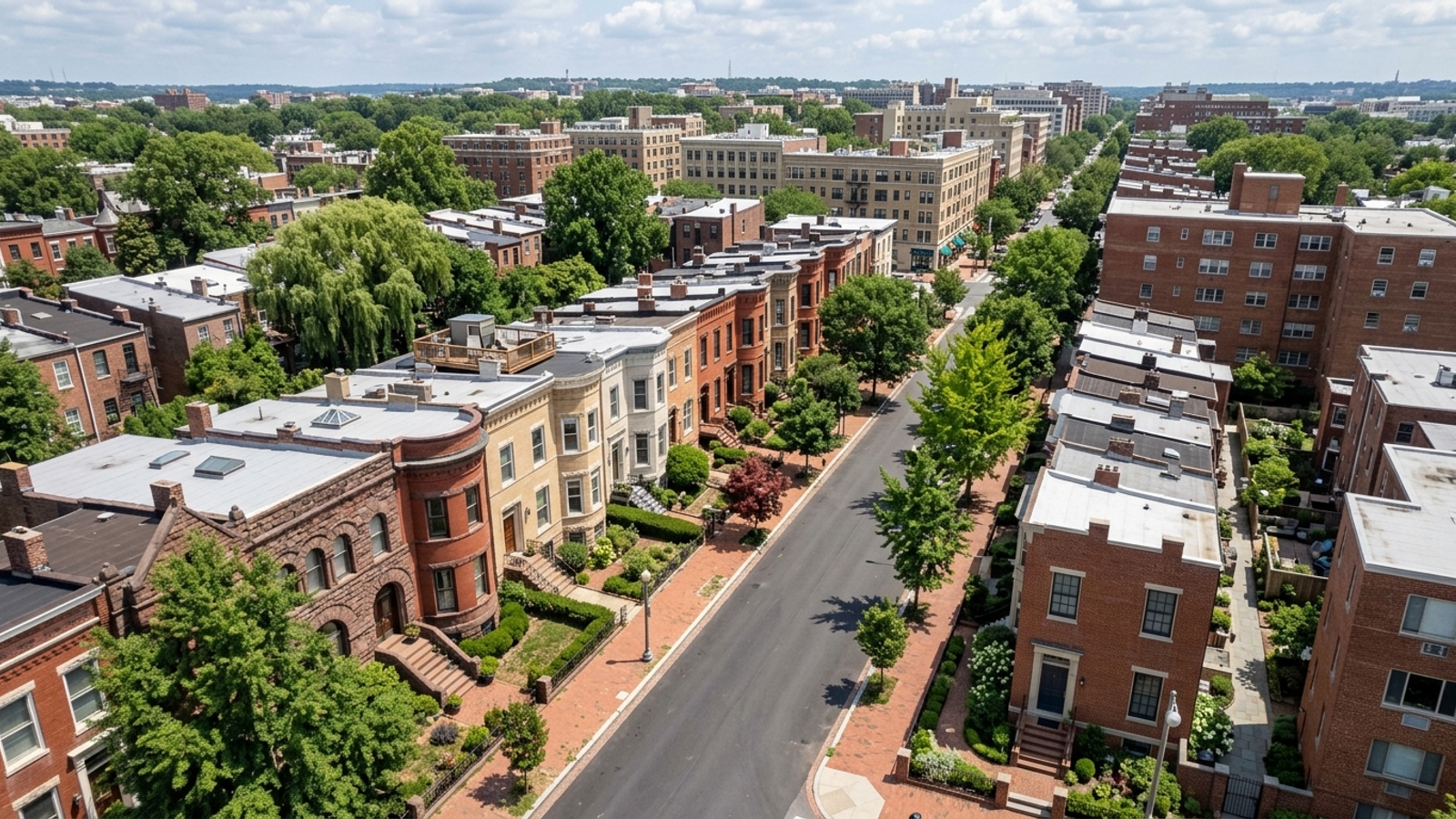
The median sale price for homes in the Dupont Circle DC housing market sits around $489,664, and properties are spending an average of 53 days on the market. If you’re budgeting for one of those homes, property taxes aren’t an afterthought – they’re a real line item in your monthly carrying costs, and it’s worth understanding exactly how the District calculates and collects them.
Washington, DC functions as a single municipality, so Dupont Circle residents pay the same baseline tax rate as everyone else in the District. No county layer, no separate municipal add-on. Once you understand the structure, the math is pretty straightforward.
Current Property Tax Rates in Dupont Circle
The standard residential property tax rate in Washington, DC is 0.85% – that’s $0.85 per $100 of assessed value for Class 1 residential properties. Because Dupont Circle is a neighborhood within the District rather than its own jurisdiction, there’s no separate municipal or county tax sitting on top of that. You pay the flat District-wide rate on your primary residence, full stop.
How Dupont Circle Compares to the District and National Averages
That 0.85% applies uniformly across every DC neighborhood – you’d face the exact same baseline rate in Georgetown or Capitol Hill. Nationally, 0.85% falls slightly below the average effective property tax rate in many major metro areas. That said, given what properties cost in the District, the actual dollar amount you’ll write a check for can still be substantial.
Recent Changes to the Mansion Tax Tier
The standard rate has held steady at $0.85 per $100 for years, but the District did add a new tier for high-value properties. This Class 1B rate kicks in on homes valued above $2.5 million – specifically, the assessed value above that $2.5 million threshold gets taxed at $1.00 per $100 instead of the standard rate. If you’re shopping at the upper end of the Dupont Circle market, that progressive structure is worth running the numbers on before you close.
Calculating Your Dupont Circle Property Tax
Typical home values in the Dupont Circle area range from roughly $654,000 to $777,000, depending on exactly where you draw the boundaries. The calculation itself isn’t complicated: take the assessed value, multiply by the District’s percentage rate, and you have your baseline annual bill before any deductions. The District of Columbia Office of Tax and Revenue handles the official calculations and mails the final bills, but you can run your own estimate ahead of time.
Assessed Value Versus Market Value
Market value is what a buyer will pay – recently averaging around $489,664 for closed sales in the neighborhood. Assessed value is the number the District uses to calculate your tax bill, and the Office of Tax and Revenue arrives at it through annual mass appraisal models. The two figures often track closely, but they’re rarely identical.
Understanding DC Tax Classes
DC uses a property class system rather than a traditional mill rate. Class 1 covers residential real property – single-family homes and condominiums used as primary residences – and that’s what gets you the 0.85% rate. Commercial and vacant properties fall into different classes with considerably higher rates, so keeping a property’s Class 1 status matters.
A Worked Example for a Typical Dupont Circle Home
Take a home with an assessed value of $750,000. Divide by 100 to get 7,500, multiply by $0.85, and you’re looking at an estimated annual property tax bill of $6,375 before any exemptions. If the home qualifies for the District’s primary residence deductions, that number comes down.
Sales Taxes in Dupont Circle
Washington, DC’s current sales tax rate is 6.0%, applying to general tangible personal property and selected services purchased within the District. If you’re furnishing a new place – furniture, appliances, home goods – you’ll pay that rate. Groceries and prescription drugs are exempt from the general sales tax.
Sales Taxes Across Local ZIP Codes
Dupont Circle primarily falls within the 20036 ZIP code, with portions extending into 20009. Since, DC operates as a single taxing jurisdiction, the 6.0% rate applies evenly across both. There are no neighborhood-level surcharges – retailers in 20036 and 20009 collect the same baseline District sales tax.
Looking Up and Paying Your District of Columbia Tax Bill
The MyTax.DC.gov portal is where you go for everything related to DC property taxes. The Office of Tax and Revenue provides a “Search Real Property by Address or SSL” tool there for public access, and it serves as the central hub for all real estate tax records in Dupont Circle. Current assessment values, past payment histories – it’s all accessible before you make an offer.
Finding Property Tax Records Online
To pull up a property’s tax history, you’ll need either the street address or the Square, Suffix, and Lot (SSL) number. Plug that into MyTax.DC.gov and you’ll see the most recent tax year data. These records are public, so you can verify exactly what the previous owner paid and whether the home is currently receiving any specific exemptions.
Annual Property Tax Due Dates
DC property taxes are billed in two installments. The first half is due March 31; the second half is due September 15. If your taxes run through a mortgage escrow account, you should see those disbursements reflected on your annual lender statements.
Exemptions That Lower Your Property Tax Bill
The District offers several programs that can reduce either the assessed value of a home or cap what you owe. The most widely used is the Homestead Deduction – set at $89,850 for tax year 2025 and subject to annual adjustment. It subtracts directly from your home’s assessed value before the 0.85% rate is applied, but the property has to be your principal residence to qualify.
Relief Programs for Seniors
DC’s property tax relief for senior citizens is meaningful if you qualify. You need to be 65 or older, own and occupy the property as your principal residence, and be domiciled in the District. There are also income limits – the Federal Adjusted Gross Income cap was $159,750 for 2023. Qualifying seniors receive a 50% reduction on their property tax bill.
Appealing Your Annual Assessment
The Office of Tax and Revenue mails proposed assessments early in the year. If you think your property has been overvalued, you can file an administrative appeal – but you need to do it by the deadline printed on the assessment notice. The process involves presenting data like recent comparable sales in Dupont Circle to demonstrate that the assessed value exceeds actual market value.
Taxes on New Construction and Special Assessments
If you’re buying a newly built home or a renovated condo in Dupont Circle, the tax timeline works a little differently. The initial assessment on a new build typically reflects only the land value. Once the District issues a certificate of occupancy, the Office of Tax and Revenue issues a supplemental assessment that adds the value of the completed structure to the bill.
Local Special Assessment Districts
Some parts of Washington, DC fall within special assessment districts that fund local infrastructure or neighborhood improvements. These charges show up as additional line items on the property tax bill – separate from the standard rate. Before you close, check the title report and tax records to see whether a specific property carries any of these fees. They can meaningfully affect your total monthly carrying cost.
Comparing DC Taxes to Surrounding Suburbs
Buyers weighing Dupont Circle against the broader region will find the surrounding suburbs calculate taxes differently – sometimes with a lower headline rate, sometimes higher, and always with different home valuations underneath.
Property Taxes in the Maryland Suburbs
Montgomery County’s effective property tax rate runs roughly 0.77% to 1.02%, a range that accounts for various local municipality charges layered over the county base. Prince George’s County carries a higher effective rate of roughly 1.12% to 1.37%. When you’re comparing a Dupont Circle home to something across the Maryland border, run the actual dollar amounts rather than just comparing percentages – the difference in home values will matter as much as the rates.
Property Taxes in the Virginia Suburbs
Arlington County’s base real estate tax rate is approximately $1.043 per $100 of assessed value. Fairfax County applies a base rate of approximately $1.03 to $1.15 per $100. Both Virginia counties post higher baseline rates than DC’s 0.85% standard residential tier. As with Maryland, though, differences in what homes are valued at across those jurisdictions will shape what you’re paying out of pocket.
Frequently Asked Questions
What is the residential property tax rate in Dupont Circle, Washington, DC?
The standard residential property tax rate in Washington, DC is 0.85%. Homeowners pay $0.85 per $100 of their home’s assessed value.
How much is property tax on a typical $750,000 home in Dupont Circle?
A home assessed at $750,000 generates a baseline property tax bill of $6,375 before any exemptions. Deductions like the District’s Homestead Deduction lower that final amount.
At what age do seniors qualify for property tax relief in Washington, DC?
Seniors qualify for property tax relief at age 65. They must own and occupy the home as their primary residence and meet specific income limits to receive the 50% tax reduction.
When are property taxes due in Washington, DC?
Property taxes are due in two installments each year. The first payment is due on March 31, and the second payment is due on September 15.
How do I look up and pay my property tax bill for a Dupont Circle property?
You can look up and pay property tax bills through the MyTax.DC.gov portal. The site includes a tool to search real property records by address or SSL number.
How do Washington, DC property taxes compare to surrounding Maryland and Virginia suburbs?
The District’s standard 0.85% rate is generally lower than the base rates in neighboring areas. Arlington County charges around $1.043 per $100, and Prince George’s County has an effective rate of roughly 1.12% to 1.37%.
How do special assessments affect property taxes for condos in Dupont Circle?
Special assessment districts add supplemental charges to the standard property tax bill to fund local improvements. Buyers should check the MyTax.DC.gov portal to see if a specific condo carries these extra fees.