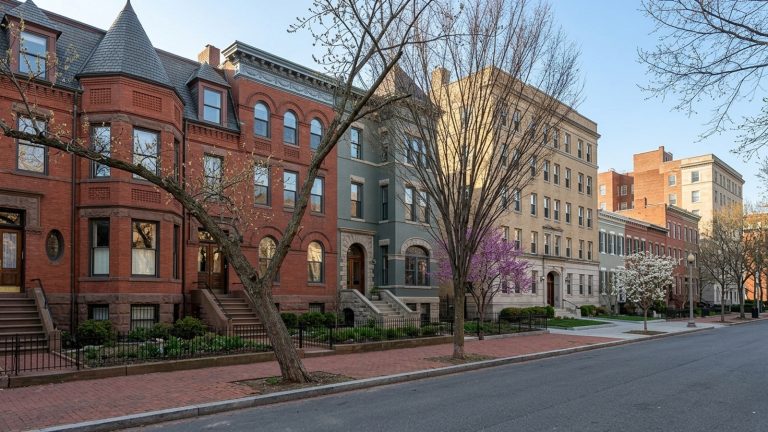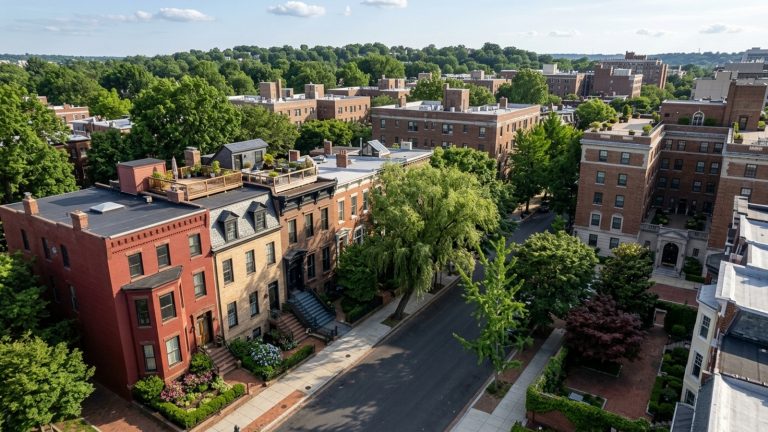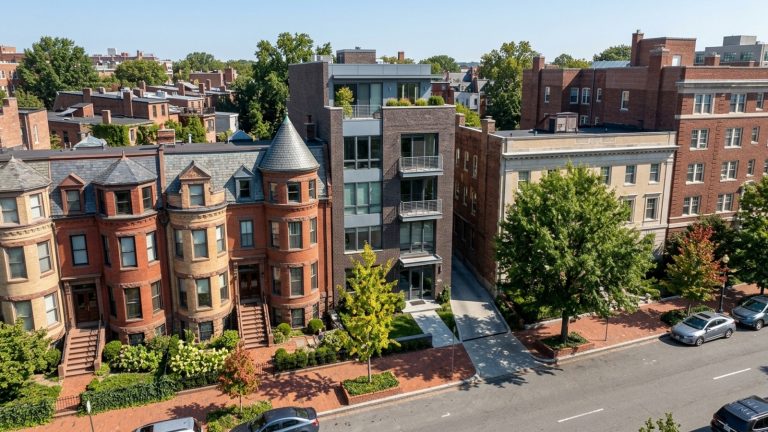


The median sale price for homes in Dupont Circle, DC sits at roughly $480,000, with available inventory hovering around 105 listings. Homes here spend a median of 45 days on the market – which sounds reasonable until you realize that nearly a quarter of them sell above list price. If you’re eyeing a condo or rowhouse in this historic neighborhood, you don’t have time to get your finances sorted after you find the right place. This is especially true for first-time home buyers in Dupont Circle, DC.
Getting pre-approved before you start touring gives you a real budget and signals to sellers that you’re not a tire-kicker. It’s the first serious step toward actually closing on something in the District.
Why a Pre-Approval Letter Matters in Dupont Circle
A pre-approval letter is a formal document from a lender confirming they’re willing to loan you a specific amount under specific terms. Sellers expect to see it submitted alongside your offer – not after.
In a market where nearly 24% of homes sell above their list price, that letter does real work. It tells the seller’s agent that a lender has already reviewed your income and assets, which removes most of the financial uncertainty from their client’s decision. Without it, listing agents will almost certainly steer their sellers toward a buyer who’s already been vetted.
There’s also a practical benefit that has nothing to do with sellers. Online calculators give you a ballpark, but a formal pre-approval factors in current interest rates, property taxes, and condo fees. You’ll know exactly what you can spend – which means you stop wasting Saturday afternoons touring homes that were never within reach.
The Difference Between Pre-Qualification and Pre-Approval
These two terms get used interchangeably, but they don’t carry the same weight. One is an estimate; the other is a verified commitment, and sellers know the difference.
Pre-qualification is where you self-report your income, debt, and assets. The lender typically runs a soft credit check – no impact to your score – and gives you a rough sense of what you might be able to borrow. Because nothing has been verified, the number means very little to anyone on the other side of a transaction.
Pre-approval is the real thing. You submit actual documentation – tax returns, pay stubs, the works – and the lender runs a hard credit pull. What comes back is a formal statement of what you can borrow. That’s the standard for submitting an offer in DC, and skipping it isn’t really an option.
Steps to Secure Your Mortgage Pre-Approval
The process rewards people who show up organized. Lenders are looking at specific financial metrics to determine your loan amount and interest rate, so the less back-and-forth you create, the faster this moves.
Start by reviewing your own financial picture before you ever sit down with a lender. Pull your credit score and calculate your debt-to-income (DTI) ratio – that’s your monthly debt payments divided by your gross monthly income. Most lenders want to see a DTI below 43%, though some loan products have more flexibility. Know where you stand before someone else tells you.
From there, it’s about getting your paperwork together. Being organized doesn’t just speed things up – it reduces the chances of a lender coming back with a follow-up request that stalls everything.
Gathering Your Financial Documents
You’ll need W-2s and federal tax returns for the past two years, plus your most recent 30 days of pay stubs. On the asset side, plan to provide two months of bank statements along with statements for any investment or retirement accounts. You’ll also need a government-issued ID and your Social Security number so the lender can pull your credit report.
Nothing on that list is surprising, but hunting it all down at the last minute is a reliable way to slow yourself down.
Comparing Local Lenders
Talk to at least two or three lenders before you commit to one. Rates and fees vary by institution, and even a small difference in interest rate adds up to real money over the life of a loan.
Local, DC lenders tend to have hands-on experience with the District’s housing stock – co-ops, condos with layered HOA structures, the quirks that a loan officer in another state might not have encountered. They’re also more likely to know about regional assistance programs that a national bank’s call center simply won’t bring up.
DC Loan Limits and Buyer Assistance Programs
Washington, DC is designated as a high-cost area by federal housing agencies, and that designation matters in two concrete ways: it raises the ceiling on conforming loans, and it opens the door to some meaningful buyer assistance.
For 2026, the baseline conforming loan limit for a one-unit property in most of the country is $832,750. In DC, that limit extends up to $1,249,125. The practical effect is that you can finance a more expensive property without crossing into jumbo territory – and jumbo loans typically require a larger down payment and stricter credit standards, so staying under that threshold is worth something.
On the assistance side, the District has several programs worth knowing about. The Home Purchase Assistance Program (HPAP) provides an interest-free, deferred loan of up to $202,000 for down payment assistance, plus up to $4,000 for closing costs, for eligible low-to-moderate-income first-time buyers. The DC Open Doors program offers an interest-free deferred loan covering the full minimum down payment for both first-time and repeat buyers making up to $275,400. DC government employees can look into the Employer-Assisted Housing Program (EAHP) for loans up to $20,000 and matching grants. Unionized employees have access to the Negotiated Employee Affordable Home Purchase Program (NEAHP), which offers forgivable grants tied to years of service.
If any of those apply to you, they’re worth a real conversation with a lender who knows how to work with them.
Frequently Asked Questions
Do I need a different type of pre-approval if I want to buy a co-op instead of a condo in Dupont Circle?
Yes, you need a lender who specifically finances co-ops. Co-ops require a share loan rather than a traditional mortgage, and the building’s underlying mortgage and fees must factor into your debt-to-income ratio.
Is it better to use a local DC mortgage broker or a national bank for pre-approval to win a competitive Dupont Circle bid?
Local, DC mortgage brokers often have an edge in competitive markets. They usually understand the nuances of District condo associations and local assistance programs like DC Open Doors, which can streamline the closing process for sellers.
How long is a mortgage pre-approval valid while I wait for the right Dupont Circle property to hit the market?
Most pre-approval letters are valid for 60 to 90 days. If you don’t find a home within that window, you’ll need to provide updated pay stubs and bank statements to refresh the approval.
What credit score and down payment do I actually need to get pre-approved for a jumbo loan in Dupont Circle?
Jumbo loans – which apply if you borrow more than the $1,249,125 conforming limit in DC – typically require a credit score of 700 or higher. You’ll also usually need a down payment of at least 10% to 20%, depending on the lender.
What happens to my pre-approval amount if the Dupont Circle condo I want has unusually high HOA fees?
High condo or HOA fees will reduce the amount you can borrow for the actual mortgage. Lenders include those monthly fees in your debt-to-income ratio, which lowers your maximum purchasing power for the property itself.
Are there any upfront fees to get a formal mortgage pre-approval letter in Washington, DC?
Generally, lenders don’t charge a fee to process a pre-approval application. Some may charge a small fee to cover the cost of pulling your credit report, but that’s not universal.