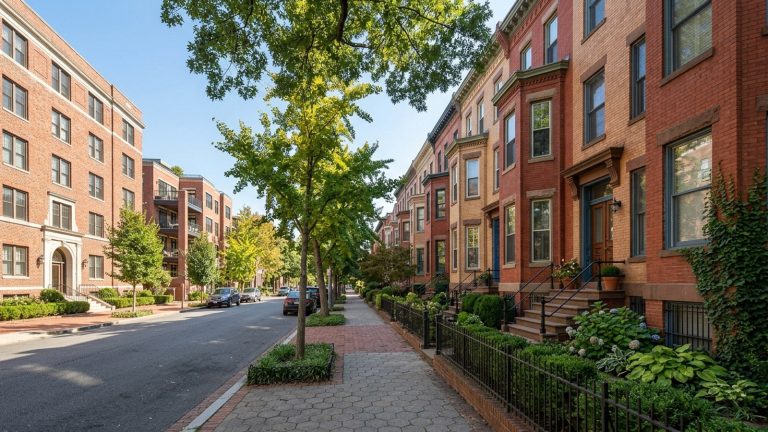


In Dupont Circle, Washington, DC, 40 of the 48 homes sold in the 90 days ending September 30, 2026, were condominiums. That mix decides which documents you hand buyers and when.
Key Takeaway
In Dupont Circle, give buyers the DC seller’s disclosure statement before or when they sign a contract. If you’re selling a condo, order the association’s resale package before you list, because it carries its own buyer cancellation window. With 8.7 months of supply across all home types, buyers have alternatives, so a late or missing document becomes a reason to walk away or ask for a credit. Rowhouse sellers face a different checklist built around permits, historic-district approvals, and lead paint.
Who This Guide Is For
You’re preparing to sell a Dupont Circle condo or rowhouse and need to know which disclosure documents to assemble, when to hand them over, and what a buyer can do with them.
Which Seller Disclosures Apply in Dupont Circle, DC?
Because condos dominate sales here, a typical Dupont Circle seller hands buyers two separate documents: the District’s mandatory seller disclosure statement and the condo association’s resale package. What else applies depends on the property. If you are preparing to sell a home in Dupont Circle, our checklist outlines the initial steps.
If you’re selling a condo unit, start with the condo section, then the DC law section for the statement every seller completes. If your sale is an estate, court-ordered, foreclosure, or family transfer, check the exempt sales section before filling out anything. If the building predates 1978, read the lead-based paint section. If you own a rowhouse with exterior changes, a basement unit, or significant past repairs, the rowhouse section covers historic-district approvals, certificates of occupancy, and repair records.
What the DC Seller Disclosure Law Requires
The District of Columbia Residential Real Property Seller Disclosure Act applies to sales of real estate with one to four residential units, including condos and co-ops, where the purchaser has stated in writing an intent to live in the property. The seller must deliver a Mayor-approved disclosure statement before or at the time of executing a purchase agreement.
The standard form issued under the Department of Consumer and Regulatory Affairs covers four general areas: structural condition, operating condition of property systems, appliances and fixtures, and exterior and environmental issues. You complete it based on your own knowledge of the property.
The Seller’s Disclosure Statement
The form asks about known defects or information concerning:
- water and sewer systems
- insulation
- structural systems
- plumbing, electrical, heating, and air conditioning
- history of rodent or wood-boring insect infestation
- appliances, alarm systems, and fixtures
The form is not a warranty, and it’s not a substitute for the buyer’s inspection.
Answering “unknown” doesn’t protect you if records show otherwise, such as a permit you pulled, a contractor invoice, or a past insurance claim. Your answers need to match your paperwork.
What Happens If the Statement Arrives Late
If the statement is delivered after the buyer executes a purchase agreement, the buyer can terminate. They do this by written notice no later than five calendar days after receiving the statement, and any deposits must be promptly returned.
The right is waived if the buyer doesn’t use it before applying in writing for a mortgage. That waiver applies only if the lender discloses in writing that applying ends the right to rescind.
The termination right doesn’t depend on what the statement says. Even a clean disclosure delivered late gives the buyer a short, no-reason exit window. A deal you thought was settled can unwind days later over nothing but timing.
Sales That Are Exempt
These transfers don’t require the seller to complete the disclosure statement:
- transfers between co-tenants
- foreclosure sales
- court-ordered transfers such as probate, bankruptcy, or divorce
- transfers of newly constructed residential property that has not been inhabited
No statutory exemption applies simply because a seller never occupied a previously existing property they purchased. Executors and heirs should confirm their status with the estate’s attorney.
An exemption from the form is not an exemption from everything. Lead-paint rules, condo resale requirements, and liability for actively concealing a defect can still apply.
Lead-Based Paint Disclosures for Older Homes
Under the jointly issued EPA and HUD Lead Disclosure Rule for pre-1978 housing, the seller must:
- give the purchaser an EPA-approved lead hazard information pamphlet
- disclose any known lead-based paint or hazards
- provide any available records or reports on lead-based paint
Under federal rules, buyers of pre-1978 homes get an opportunity, commonly 10 days, to conduct a lead inspection unless they waive it. DC law adds that the owner must use a lead disclosure form provided by the Department of Energy and Environment.
Hand over every lead report you have, including old ones from a previous owner or a renovation, even if the issue was later addressed. Don’t assume you know the year built. Confirm it in DC Office of Tax and Revenue property records.
Disclosures for Dupont Circle Condo Sellers
When you resell a condominium unit, the DC Condominium Act requires you to obtain the condominium instruments and a resale certificate from the unit owners’ association. You must furnish them to the purchaser on or before the 10th business day after the contract is signed.
The management company or board produces this package, not you. Ask how long it takes, and order it early.
What the Condo Resale Certificate Covers
The certificate includes:
- insurance coverage information for unit owners
- a statement that improvements or alterations by the prior owner do not violate the condominium instruments
- details on any leasehold estate affecting the unit
- the building’s current condo fees, budget, and reserves
- any pending litigation
You don’t control the content or the timing. A slow management office or an outdated budget in the package can stall your sale, and you can’t edit what the board provides.
The Buyer’s Cancellation Window on Condo Sales
A DC condo buyer has three business days after receiving the condominium instruments and resale certificate to cancel by written notice. If the documents aren’t furnished by the 10th business day after contract execution, the buyer can also cancel before receiving them. Neither right survives closing.
A buyer who has cooled on the price can use this window to walk without citing any defect. Early delivery is the only way to close that exit before you’ve taken the unit off the market.
Special Assessments, Litigation, and FHA Status
A pending assessment becomes a price conversation, litigation can complicate financing, and FHA status dictates which buyers can secure a loan.
- Assessments: Ask the board whether any special assessment has been voted or is under discussion.
- Litigation: Ask whether the association is in litigation.
- FHA status: Look up your building on HUD’s approved-condominium list.
If the board is discussing an assessment that hasn’t been voted on yet, ask a DC attorney how to handle it. A buyer who learns about it after closing may argue you knew and withheld the information.
Disclosures for Dupont Circle Rowhouse Sellers
Dupont Circle sits within a designated historic district, so exterior work generally needs preservation review. Rowhouses here often have older systems, basement units, and generations of updates. Getting the paperwork in order before listing keeps your disclosure statement in line with the property’s actual legal and physical state.
Historic District Approvals and Unpermitted Work
Unpermitted windows, rooftop additions, or facade changes surface regularly during the sale of a historic property. Before completing the disclosure statement:
- Pull your property’s permit history from DC’s permit records.
- Confirm with DC’s Historic Preservation Office whether past exterior work required and received review.
Work done by a previous owner still becomes your problem at sale if you knew about it. A buyer’s lender or attorney may ask for proof of approval, not just a disclosure.
Basement Units and Certificates of Occupancy
To legally rent a basement unit in DC, the owner must obtain a Basic Business License from the Department of Licensing and Consumer Protection. Because the unit makes the property a rental accommodation with two or more rental units, a Certificate of Occupancy is also required. The owner must pass a property inspection and register the rental accommodation with the Rental Accommodations Division.
Advertising income potential for a unit without that paperwork can turn a selling point into a dispute after closing. Disclose the unit’s actual legal status.
Older Systems and Past Repairs
Gather receipts, warranties, and inspection reports for roof, plumbing, electrical, water intrusion, and structural work so every answer on the form matches your records. A repair record often reassures buyers more than a simple “no,” and missing invoices tend to cost you in negotiation.
When to Prepare Disclosures in a Slower Dupont Circle Market
The median time on the market for all homes in Dupont Circle was roughly 66 days over the 90 days ending September 30, 2026. Buyers who take two months to decide also take time to compare paperwork across listings. A complete disclosure package at listing prevents the renegotiation that late documents invite.
Kevin Carlson can help you line up the documents before listing so you’re ready when an offer arrives.
Before You List
- Condos: Order the resale certificate.
- Rowhouses: Pull permit history.
- All homes: Confirm the year built, and complete the DC statement against your records.
- Rented units: Confirm your tenant-notice obligations.
The cost is the resale certificate fee and prep time before any buyer exists. A certificate can also go stale if the listing sits on the market for months.
When a Buyer Asks for the Package
Deliver the statement and the condo package together, before the contract is signed. When the buyer receives both before writing an offer, any cancellation window runs out early. The inspection period then starts with no paperwork surprises.
The trade-off is that every buyer, including ones who never offer, sees your building’s budget and any disclosed defects before committing to anything.
How Disclosed Issues Turn into Credits
Homes here recently sold at about 98.5% of list price, with only 14.9% going above list. Buyers aren’t in bidding wars that make them overlook problems. A defect disclosed at listing is usually priced into the offer. The same defect found after the contract is signed tends to become a credit request, or a reason to walk.
Disclosing a significant issue upfront can lower the initial offers you receive. Concealing it, though, risks a cancelled contract and liability after closing.
Penalties for Incomplete Disclosure
Besides the late-delivery termination right, the Act references liability for failure to comply. Closing the sale doesn’t wipe away the statements you made on the form.
What a Buyer Can Do After Closing
If a buyer discovers a known, undisclosed defect after moving in, the law governs liability for disclosure violations based on what you knew at the time of sale. A buyer who finds an actively concealed defect can still bring a claim after taking possession of the property.
Why Selling as Is Doesn’t Remove the Duty
An as-is sale limits the buyer’s repair requests. It does not waive the seller’s obligation to disclose known material defects unless the sale falls under a specific statutory exemption, such as a foreclosure or probate transfer. You still complete the form based on your actual knowledge.
When buyers have alternatives, an “as is” label can reduce offers unless the disclosure package shows exactly what the as-is condition covers.
Kevin Carlson can help you manage the timeline, but you should have a DC real estate attorney review your disclosures if you’re unsure how to answer an item. None of this is legal advice.
At a Glance
- Median sale price, all homes: $525,853 (90 days ending 2026-09-30)
- Median sale price, condos: $449,900 (90 days ending 2026-09-30)
- Year-over-year change in median sale price: all homes +1.1%, condos +11.4% (90 days ending 2026-09-30)
- Homes sold: 48 all homes, of which 40 were condos (90 days ending 2026-09-30)
- Median days on market: all homes 66, condos 68 (90 days ending 2026-09-30)
- Sale-to-list price ratio: all homes 98.5%, condos 98% (90 days ending 2026-09-30)
- Share sold above list price: all homes 14.9%, condos 12.7% (90 days ending 2026-09-30)
- Months of supply: all homes 8.7, condos 7.8 (90 days ending 2026-09-30)
- Active inventory: all homes 137, condos 101 (90 days ending 2026-09-30)
- Median price per square foot: all homes $682, condos $614 (90 days ending 2026-09-30)
Dupont Circle Seller Disclosure FAQs
Is Washington, DC a Non-Disclosure State for Home Sale Prices?
No. Recorded sale prices are publicly available through DC Office of Tax and Revenue real property sales records. That is separate from the condition disclosures you give buyers.
Do I Have to Notify My Tenant Before Selling a Rented Condo in Dupont Circle?
Yes. Under the TOPA Single-Family Home Exemption Amendment Act of 2018, a single rental unit in a condominium is generally exempt from the full Tenant Opportunity to Purchase Act unless a qualifying elderly or disabled tenant occupies it. You must still deliver written notice to the tenant within three calendar days of receiving or soliciting a written offer to purchase. Confirm your notice requirements with a DC attorney before listing.
Are Co-Op Share Sales Covered by DC’s Disclosure Law?
Yes. The statute does not list cooperative share transfers as an exempt category. The seller discloses only about their own unit and shares, not the common elements, so ask your co-op board for its sale package requirements.
How Long Does a Buyer Have to Cancel After Receiving the Condo Resale Package?
Three business days, as described above. If the documents are not delivered within 10 business days of contract execution, the buyer may also cancel before receiving them.
Do I Have to Disclose a Death or Crime in the Home When Selling in DC?
The standard form focuses on physical condition, structural defects, and environmental hazards. Consult a DC attorney about how DC law treats a death or crime in your situation.
Should I Get a Pre-Listing Inspection Before Selling My Dupont Circle Home?
No inspection is legally required, but anything one finds becomes something you know and must disclose on the form. Learning about defects early lets you price accurately or make repairs before buyers start touring.
Sources
- Redfin: Data Center
- DC Council: Code Chapter 13
- DC Council: Code Section 42-1305
- DC Council: Code Section 42-1302
- Federal Title: Seller Property Disclosure Requirements in DC
- ECFR: Title 24 Subtitle A Part 35 Subpart A
- DC Council: Code Section 8-231.04
- DC Council: Code Section 42-1904.11
- DHCD: How to Register a Rental Accommodation
- DC Council: Law 22-120
- DC Council: Code Section 42-1301