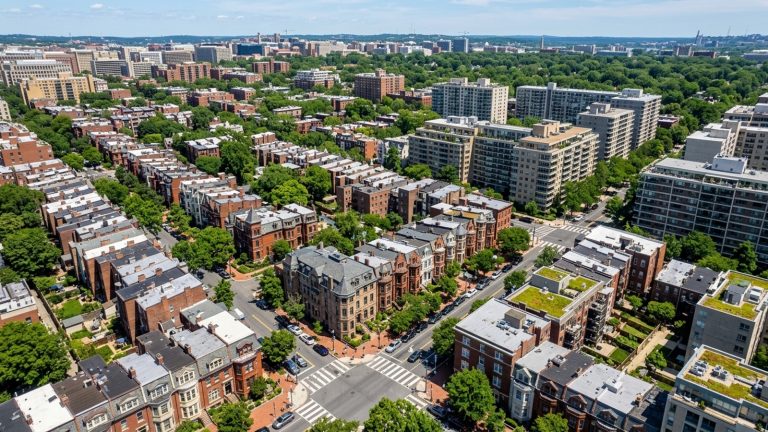

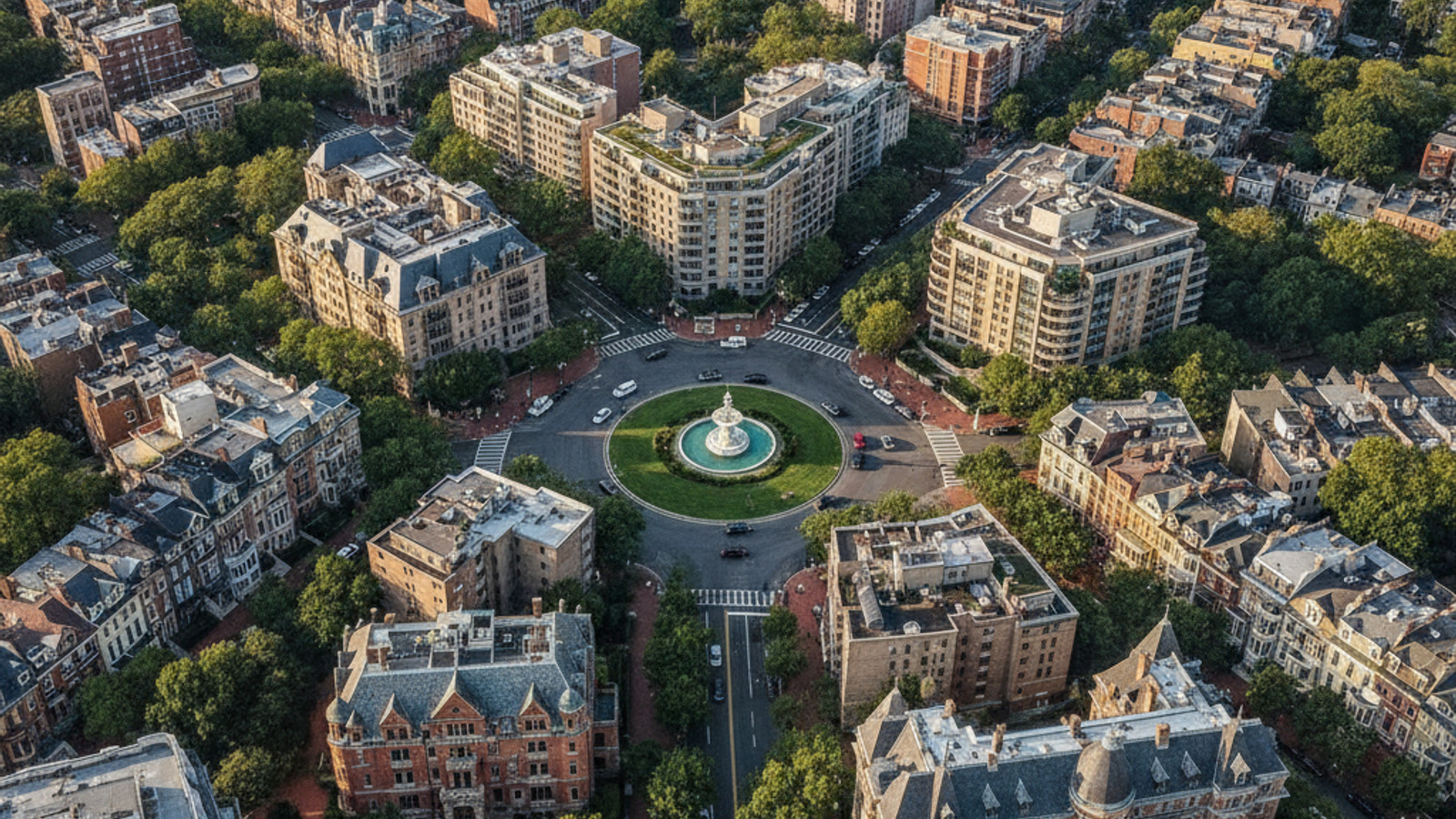
Just north of the National Mall in Washington, DC, Dupont Circle serves as a major hub for art, dining, and historic architecture. The area centers around the iconic Dupont Circle Fountain, designed by Daniel Chester French and Henry Bacon. This marble centerpiece operates as the primary gathering space for locals year-round. If you plan to make this lively neighborhood your home, partnering with the best realtor in Dupont Circle, DC is an excellent first step.
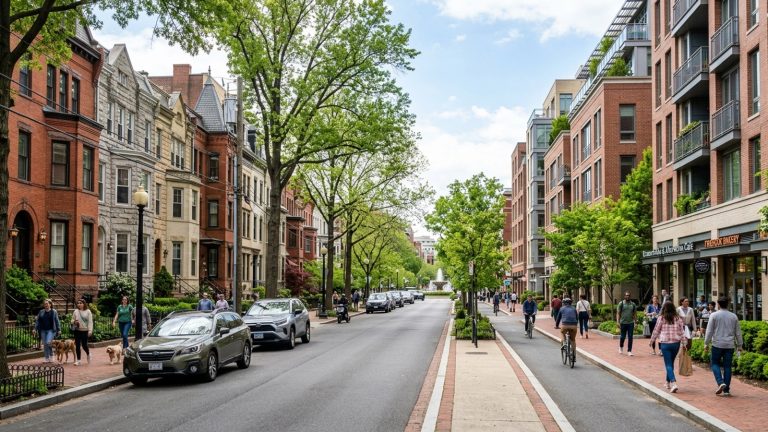
The surrounding streetscape features a mix of large historic mansions, mid-rise condominium buildings, and classic Victorian rowhouses. Finding things to do in Dupont Circle, DC, often involves walking down tree-lined avenues to access independent businesses and cultural institutions. The neighborhood provides a distinct urban experience with immediate access to public transit.
The area’s borders blend seamlessly into neighboring districts like Logan Circle to the east and the West End to the south. This central positioning allows residents to walk to multiple grocery stores, fitness centers, and medical facilities within minutes. The tree canopy and wide sidewalks create a pedestrian environment that stands out within the broader capital region.
Local Art and History Destinations
The Phillips Collection stands out as America’s first museum of modern art. Located just off Massachusetts Avenue, this institution houses an extensive collection of works by Pierre-Auguste Renoir and Mark Rothko. Visitors can explore intimate gallery spaces set within a converted 1897 Georgian Revival home.
Local history extends beyond traditional galleries into preserved residential properties. The Heurich House Museum, known locally as the Brewmaster’s Castle, showcases late 19th-century craftsmanship and local brewing history. A few blocks away, the Anderson House offers a look into Gilded Age architecture and serves as the headquarters for the Society of the Cincinnati.
Beyond the major institutions, the neighborhood hosts several smaller independent art spaces. First Friday art walks regularly draw crowds to these boutique galleries to view contemporary works by local and international artists. These smaller venues provide a continuous rotation of exhibits that keep the local art scene active throughout the year.
Touring the Mansions on Embassy Row
Massachusetts Avenue serves as the main artery for Embassy Row, a stretch of road famous for its high concentration of diplomatic missions. During the early 20th century, wealthy residents built massive Georgian and Beaux-Arts mansions along this route. Today, international governments own and maintain the majority of these historic properties.
A walk down this avenue reveals dozens of international flags, monuments, and statues representing countries from around the world. Local architectural groups frequently organize walking tours to highlight the specific design details of these converted mansions. The sidewalks here remain wide and shaded, offering a clear path from Dupont Circle toward the United States Naval Observatory.
Several prominent statues line this route, including the Mahatma Gandhi Memorial situated in a small triangular park off the main avenue. The Woodrow Wilson House sits just off the primary row, offering visitors a look at a preserved presidential residence from the 1920s. These public monuments and historic homes create an open-air museum experience for anyone walking through the neighborhood.
Connecticut Avenue Retail and Dining
Connecticut Avenue anchors the commercial district with a continuous line of independent boutiques, bistros, and coffeehouses. Kramers operates as a neighborhood staple, combining an extensive independent bookstore with a full-service cafe. Residents frequently stop here to browse new releases before grabbing a meal in the glass-enclosed dining room.
The entertainment and dining options extend well into the evening hours. The local nightlife scene includes a variety of basement lounges and specialized restaurants serving international cuisine. The DC Improv comedy club regularly hosts nationally touring comedians, providing a consistent source of weekend entertainment.
Finding international cuisine is simple, with restaurants offering everything from authentic salsa clubs to quiet French bistros. The side streets branching off the main avenue feature smaller cafes and specialty food shops. This concentration of dining venues means residents rarely need to leave the neighborhood for dinner or weekend brunch.
Visiting the Weekly Farmers Market
The FRESHFARM Dupont Circle Market operates every Sunday from 8:30 AM to 1:30 PM, regardless of the season. More than 50 regional farmers and producers set up tents along the neighborhood’s central streets. This weekly event draws residents looking for fresh groceries and specialty items.
Shoppers can find a wide variety of local produce, artisanal cheeses, and freshly baked goods. The market functions as a major community gathering spot where neighbors meet before walking to nearby coffeehouses. Buyers should arrive early during the summer months, as popular vendors often sell out of seasonal items quickly.
The product selection shifts with the seasons, offering root vegetables and greenhouse greens in the winter and fresh berries in the summer. Several vendors also sell prepared foods, making the market a popular destination for a quick outdoor breakfast. Live acoustic music often plays near the main entrance, adding to the Sunday morning atmosphere.
Transit Access and Commuting Times
The Dupont Circle Metro station sits directly beneath the neighborhood’s central park, providing immediate access to the Red Line. Commuters can reach Metro Center or Union Station in under 10 minutes from this platform. This direct connection makes the area practical for professionals working in major downtown employment hubs.
Surface-level transportation offers several reliable alternatives to the subway system. The neighborhood earns top walkability scores, allowing residents to reach grocery stores and pharmacies on foot. Capital Bikeshare stations sit at multiple intersections, providing a fast option for short trips down the protected bike lanes on Massachusetts Avenue.
Driving presents more challenges due to limited street parking and heavy rush-hour traffic along the main traffic circles. Buyers bringing a vehicle should prioritize properties that include deeded parking spaces or private garage access. Monthly parking garage rentals are available, but they add a recurring expense to the local cost of living.
Real Estate and Historic Property Types
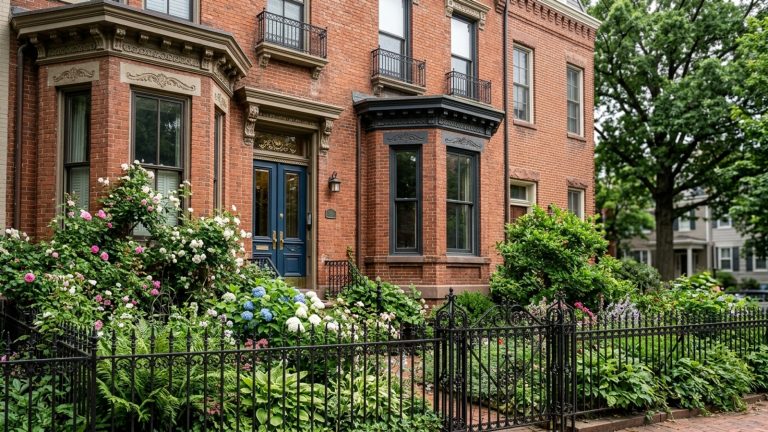
The local housing market primarily consists of historic Victorian rowhouses and mid-rise condominium buildings. Buyers interested in attached single-family homes will find properties featuring brick facades, original bay windows, and private rear patios. Condominium options range from updated units in historic buildings to newer construction with modern amenities.
Pricing in the neighborhood reflects its central location and historic housing supply. In 2026, median condominium prices generally hover between $420,000 and $500,000. Historic townhomes and rowhouses frequently list between $1 million and $2 million, depending on the square footage and level of interior renovation.
Purchasing a home in this historic district comes with specific exterior maintenance guidelines enforced by local preservation boards. Condominium buyers should also factor monthly HOA dues into their budget, as older buildings often carry higher maintenance assessments. Working with an agent familiar with these historic property regulations can save buyers time during the inspection and closing periods.
Frequently Asked Questions
Dupont Circle is a strong fit for buyers who want a walkable, urban neighborhood with restaurants, transit, museums, nightlife, and historic architecture close by. The tradeoff is that homes are expensive, parking is limited, and some streets can feel busy because of the area’s central location.
Dupont Circle is known for its traffic circle and fountain, Embassy Row, historic rowhouses, art museums, independent bookstores, restaurants, and the Sunday FRESHFARM market. It is one of DC’s most recognizable neighborhoods because it combines residential blocks with cultural, diplomatic, and commercial activity.
Most residents can handle daily errands without a car. The neighborhood has a Red Line Metro station, multiple bus routes, Capital Bikeshare stations, grocery stores, pharmacies, restaurants, and fitness studios within walking distance. Buyers who do own a car should look closely at parking options because street parking can be difficult.
Dupont Circle has a mix of historic rowhouses, boutique condo buildings, co-op buildings, converted mansions, and mid-rise condominium properties. Buyers looking for more space may focus on rowhouses or larger condo units, while buyers who want lower maintenance often look at condos near Connecticut Avenue, Massachusetts Avenue, or the Metro.
Some parts of Dupont Circle are active, especially near Connecticut Avenue, the Metro station, restaurants, bars, and major traffic routes. Quieter residential streets are easier to find west and north of the circle, especially along blocks with larger rowhouses and embassy properties. Buyers should visit a property at different times of day before making an offer.
Dupont Circle is generally one of DC’s higher-priced neighborhoods because of its central location, historic housing, Metro access, and walkable amenities. Condos are usually more attainable than rowhouses, while larger historic homes can command premium prices due to limited supply.