
The median condo sale price in the area ranges from $422,000 to $525,000 in early 2026. This data point helps frame the market for First Time Home Buyers Dupont Circle, DC. The neighborhood features extensive transit options, established grocery stores, and immediate access to the Red Line.
Buying a home here requires understanding property types, monthly fees, and available financial assistance. Condos and co-ops dominate the available listings for entry-level purchasers. Buyers need to evaluate building amenities, commute times, and local property tax rates to determine their total monthly housing costs.
What Condos and Co-ops Cost in Dupont Circle Right Now
Condos and co-ops are the most common entry points for new buyers in this market. Median condo sale prices range from $422,000 to $525,000 this year. Available units include a mix of studio, one-bedroom, and two-bedroom layouts.
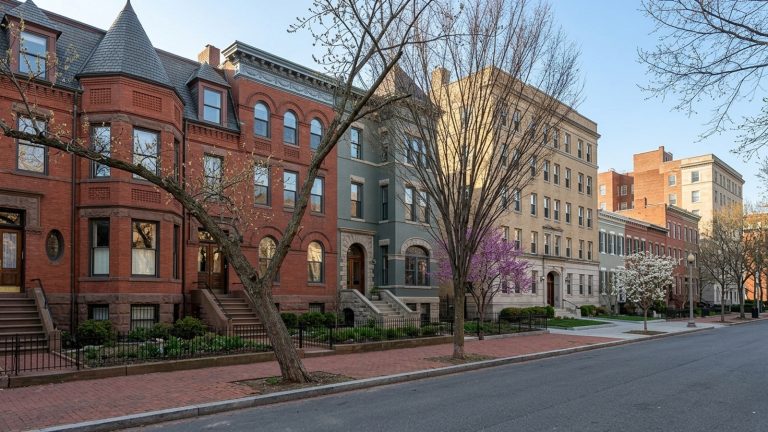
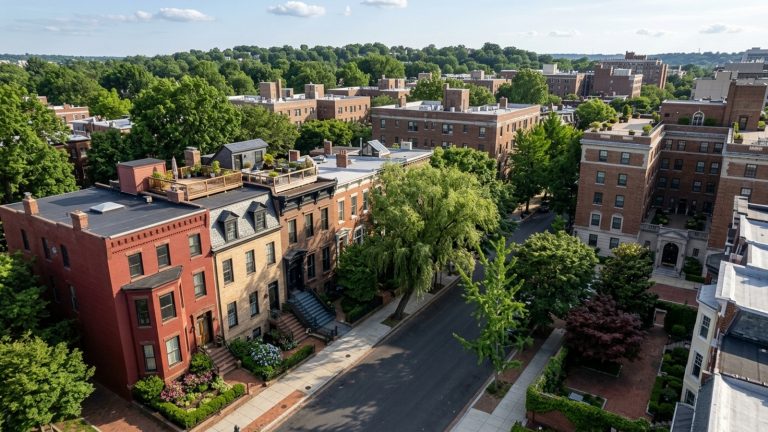
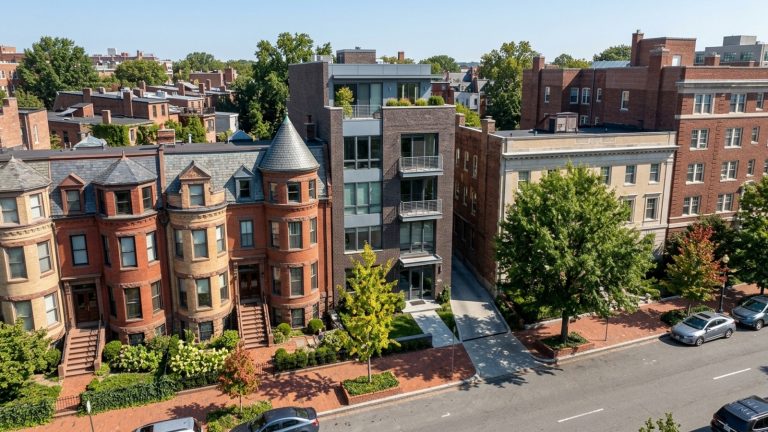
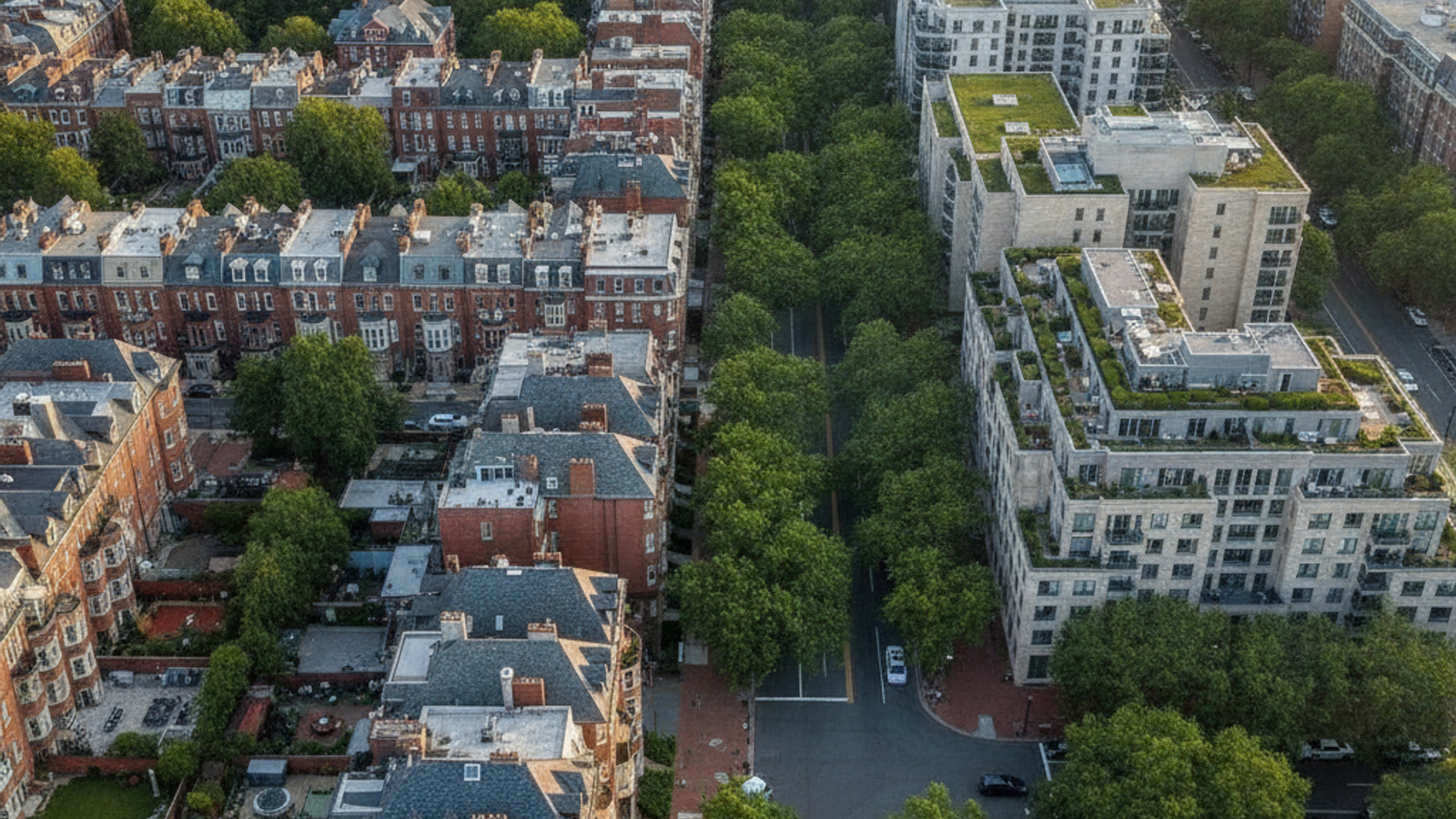
Floor plans vary widely across the neighborhood. Buyers will find everything from historic rowhome conversions with unique layouts to traditional mid-rise buildings. Each property type offers a different balance of square footage and modern updates.
You should work with a local real estate agent to evaluate building history and current market conditions. Reviewing past assessments and structural updates helps clarify the long-term value of a unit. This information is especially useful when comparing older rowhome conversions against larger condo associations.
Factoring HOA Dues and Property Taxes Into Your Budget
The Washington, DC residential property tax rate (Class 1) is $0.85 per $100 of assessed value. This rate applies to owner-occupied residential properties across the city. Knowing this baseline helps you estimate the annual tax burden on a half-million-dollar condo.
Typical monthly HOA dues for buildings in the area range from $400 to $800, depending on the amenities provided. These fees usually cover water, trash collection, exterior maintenance, and sometimes front desk staff. Older buildings with fewer amenities often sit at the lower end of this range.
Monthly HOA payments directly impact your debt-to-income ratio during mortgage underwriting. Lenders calculate these recurring building fees alongside your estimated mortgage payment to determine your maximum loan amount. A higher HOA fee reduces your total purchasing power.
Buyers should request and review the condo building’s reserve study before closing. This document details the financial health of the association and outlines upcoming maintenance projects. A well-funded reserve reduces the likelihood of sudden special assessments.
How to Use DC Open Doors and Other Assistance Programs
The DC Open Doors program covers the minimum down payment and closing costs for qualified buyers. This initiative is managed by the DC Housing Finance Agency (DCHFA) and operates across all neighborhoods. Assistance loans are often deferred with zero percent interest until the home is sold, refinanced, or the owner moves out.
To qualify in 2026, applicants must meet specific criteria regarding income, credit, and existing debt. The program rules require:
- Maximum borrower income of $275,400 (calculated for the borrower only, not the entire household).
- Minimum credit score of 640.
- Maximum debt-to-income ratio of 50 percent.
The Home Purchase Assistance Program (HPAP) is another option for down payment support. This program scales assistance based on household size and income limits. Both programs can make purchasing a condo more attainable by reducing the upfront cash required at closing.
Getting Around Town and Daily Commute Times
The Dupont Circle Metro station sits directly on the Red Line. This provides immediate rail access to major employment centers across the region. Many residents rely on this station for their primary daily transit.
Commutes to Downtown DC are brief, with Metro Center located just two stops away. Travelers heading to Capitol Hill can reach Union Station in five stops on the same line. The proximity to these transfer hubs makes reaching other parts of the city relatively fast.
Surface transit options include numerous bus lines and dedicated bike lanes on surrounding avenues. These alternatives provide flexibility for residents who prefer not to take the train. The local infrastructure supports multiple ways to reach nearby commercial districts without a personal vehicle.
Walkability, Grocery Stores, and Local Parks
The neighborhood consistently earns a walk score of 98 out of 100. Pedestrian infrastructure includes wide sidewalks and well-marked crosswalks along major corridors. Residents have direct proximity to outdoor recreation spaces, including the paved trails of Rock Creek Park.
Everyday errands are easily managed on foot. Grocery options include the local Safeway on 17th Street and the nearby Whole Foods on P Street. Having multiple full-service supermarkets within walking distance reduces the need for a car.
The year-round Dupont Circle Farmers Market operates on Sunday mornings. This market offers fresh produce from regional vendors and serves as a regular weekend destination for residents.
Frequently Asked Questions
Can I use an FHA loan to buy a condo in Dupont Circle?
Yes, you can use a Federal Housing Administration loan. The specific condo building must be on the approved FHA roster. You can check the HUD database to verify a building’s status before submitting an offer.
How much down payment is required if I use DC Open Doors?
You can receive a deferred loan to cover the entire 3% to 3.5% minimum down payment. This means you could potentially bring zero dollars to the closing table for the down payment portion of your home purchase. Lenders will still require you to meet all standard underwriting guidelines.
What is the 3-3-3 rule in real estate?
It suggests maintaining three months of mortgage payments in savings, keeping your debt-to-income ratio under 33 percent, and staying in the home for at least three years. This guideline helps buyers plan for long-term affordability and unexpected expenses. Many financial advisors recommend this baseline when planning a first home purchase.