
Logan Circle isn’t a neighborhood people typically describe as quiet, and that’s fine – if you’re a medical resident, a travel nurse, or anyone whose life orbits a hospital campus, “convenient” matters a lot more than “quiet.” The pros and cons of living in Logan Circle, DC often center on this exact trade-off. The current median sale price sits at roughly $814,717, with 171 active listings as of mid-2026. That’s a real market with real inventory, and the central location is exactly why healthcare workers keep ending up here.
No large-scale medical centers sit directly inside the neighborhood’s borders, but that’s almost beside the point. You’re surrounded by several top-tier facilities within a short commute, and once you understand how those campuses connect to specific streets, targeting the right property becomes a much more straightforward exercise.
Major Healthcare Facilities Serving the Area
George Washington University Hospital and Howard University Hospital are the two primary anchors for Logan Circle residents. MedStar Georgetown University Hospital and Sibley Memorial Hospital also draw commuters from the neighborhood regularly, particularly for specialized care.
That concentration of major systems creates consistent housing demand from people who need to get to work fast. When you’re evaluating a property, it’s worth being specific about which campus you’re actually commuting to – the right side of the circle can make a real difference in your daily routine.
Major Hospital Systems
George Washington University Hospital sits in Foggy Bottom at 2300 I Street NW, near 23rd and I Streets. It’s one of the closest major emergency rooms to Logan Circle, and it shows up in a lot of healthcare workers’ commute calculations. Howard University Hospital operates in the adjacent LeDroit Park and Shaw vicinity – another major hub, both for medical employment and patient care, that’s easy to reach from the neighborhood’s northern and eastern edges.
Specialty Clinics and Urgent Care
Beyond those main campuses, the area runs on a network of outpatient clinics and urgent care centers. There are 24-hour urgent care facilities in and around Logan Circle for non-life-threatening situations, which means most routine needs don’t require a trip across town to a full emergency room.
Accessing Major Medical Centers from Logan Circle
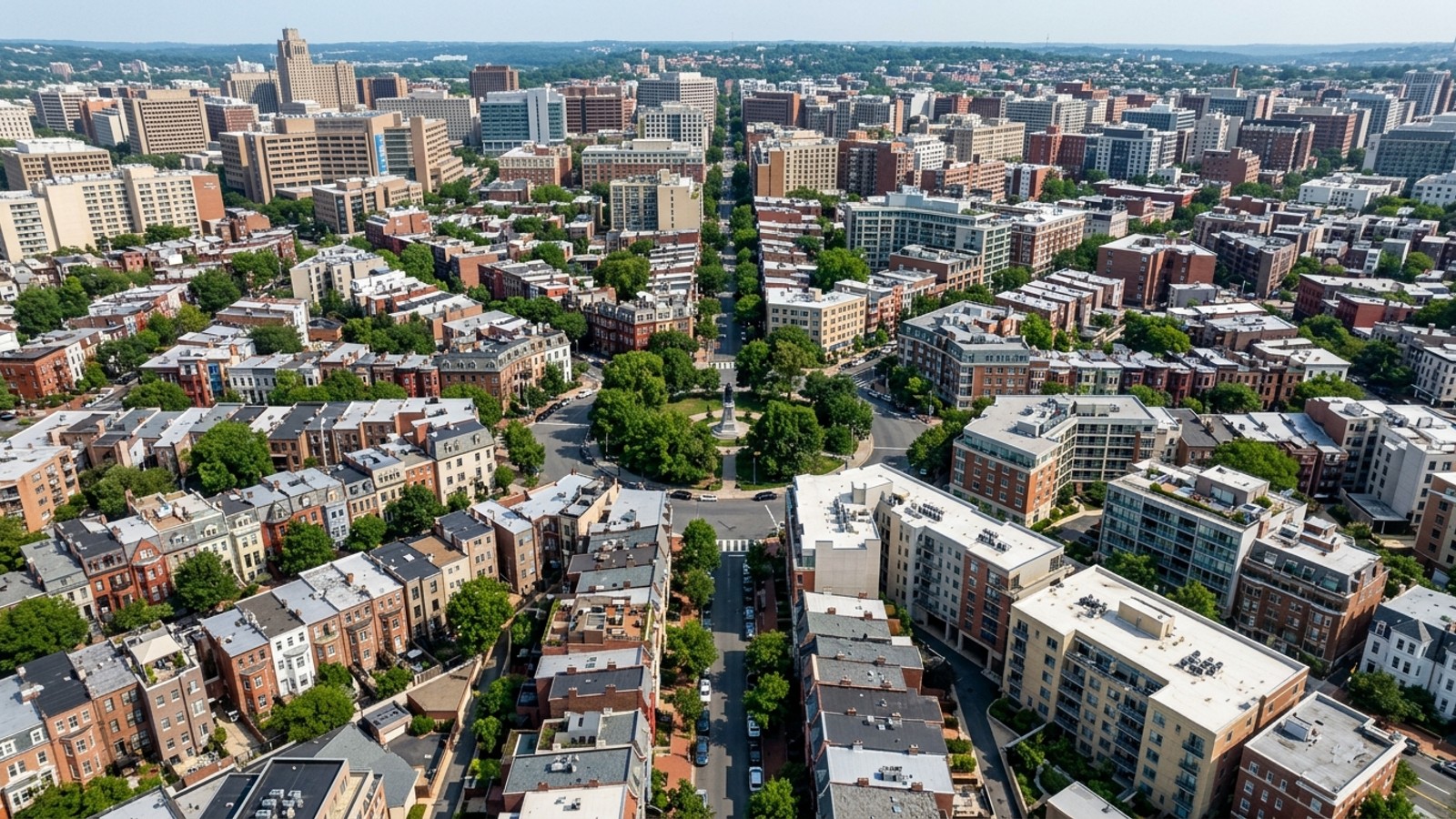
Logan Circle is a compact, distinct neighborhood, and the specific block you choose matters more than buyers sometimes expect. The western and eastern edges of the circle tend to attract the most interest from healthcare workers prioritizing short commutes.
Whether your daily trip means a quick walk to a Metro station or a straight shot down Massachusetts Avenue often comes down to one or two streets. Bus access and bike lane proximity factor into this too – more than you’d think, especially for anyone doing shift work with unpredictable hours.
Commuting to George Washington University Hospital
The western side of Logan Circle gives you the most direct path toward Foggy Bottom. Getting to the 2300 I Street NW campus is manageable by transit, bike, or car, and medical residents in particular tend to gravitate toward the 14th Street corridor for exactly that reason.
Commuting to Howard University Hospital
If Howard is your destination, the northern and eastern sides of the neighborhood are where you want to look. Howard University Hospital is close enough from those blocks that a short walk or quick bus ride handles it. That immediate access is a real draw for staff working the Howard campus, and it shows up in how those streets perform in the market.
Real Estate Trends Around the Medical Centers
Homes in Logan Circle are averaging roughly 53 days on the market as of mid-2026. The average sale-to-list ratio is 99.5%, so properties are generally closing right at asking – not a lot of room to negotiate, but not a frenzied bidding environment either.
The 171 available homes represent about 6.9 months of supply, which gives buyers a reasonable amount of choice. That’s a more balanced picture than a lot of DC submarkets right now.
Property Types and Availability
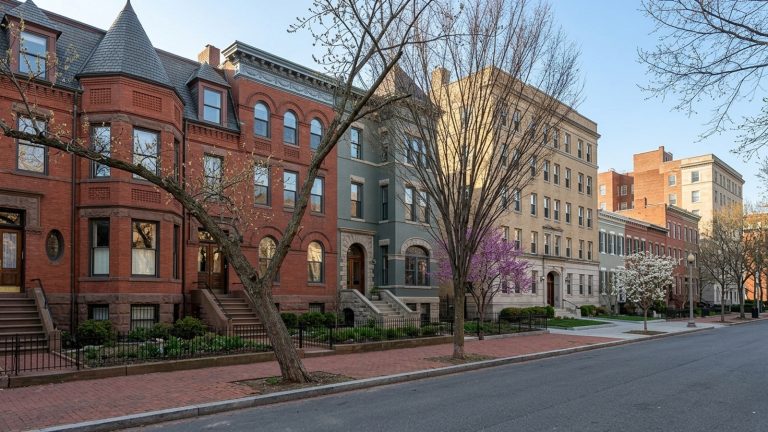
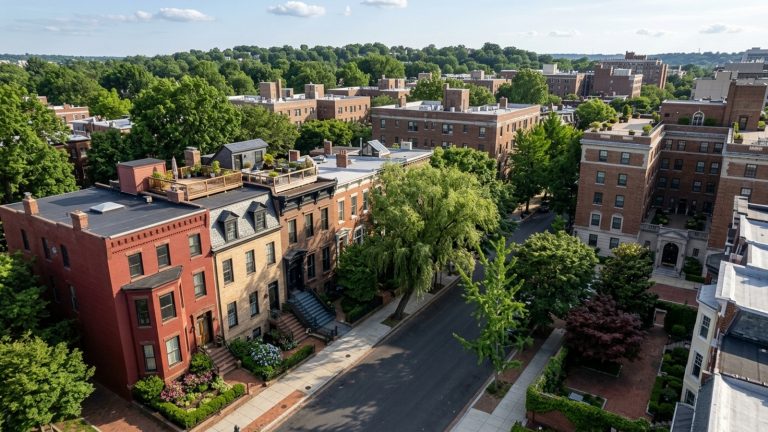
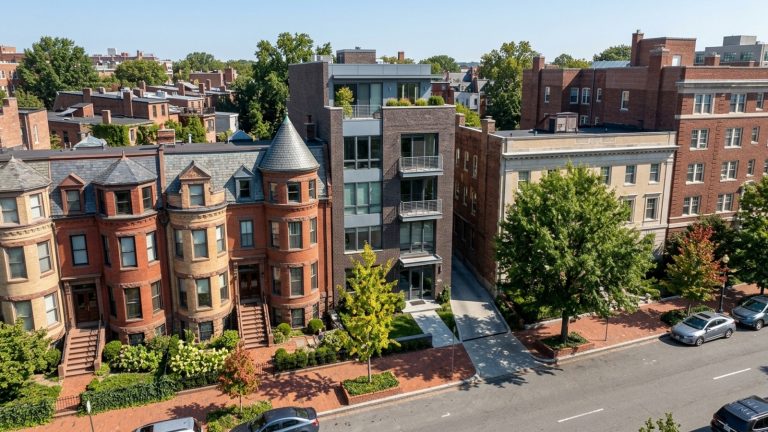
The housing stock here runs toward condominiums, Victorian-era rowhouses, and townhouses. Condos are the most common entry point for medical residents and travel nurses, with recent prices ranging roughly between $500,000 and $800,000. If you need more square footage, full Victorian rowhouses are the other major option – they generally start at $1.5 million or more.
Pricing and Market Dynamics
The neighborhood’s overall median sale price is approximately $814,717. No specific data directly ties home values to hospital proximity alone, but the steady demand from healthcare professionals does support those numbers. About 23% of homes in Logan Circle sold above their list price in recent months, which tells you that well-priced units don’t sit around.
Pros and Cons of Buying Near a Hospital
Medical residents and travel nurses represent a consistent slice of the tenant pool in Logan Circle, which matters if you’re buying as an investment. But before you get there, it’s worth being clear-eyed about what day-to-day life near a major medical campus actually involves.
The trade-offs are real. For some buyers, sharing the power grid with a hospital and having a short commute to a major employer is worth every ambulance siren. For others, the street activity makes the specific building and specific street more important than the neighborhood as a whole.
Emergency Vehicle Routes and Noise
Living within reach of George Washington University Hospital or Howard University Hospital means ambulances are part of the background. Properties on 14th Street NW or Rhode Island Avenue NW get more of that traffic directly. If noise is a concern, look for units facing interior courtyards or buildings set back on quieter side streets – it makes a meaningful difference.
Power Grid Reliability
Homes on the same power grid zones as major medical centers tend to see fewer outages. Utility companies prioritize those grids during severe weather to keep hospital operations running, and that reliability carries over to the surrounding residential blocks. If you work from home or depend on medical equipment yourself, that’s not a minor footnote.
Rental Demand for Medical Professionals
The rotation of medical staff through the area keeps rental demand steady. Condos in the $500,000 to $800,000 range are the typical rental investment vehicle here. Properties within a short commute of Foggy Bottom or Shaw tend to hold consistent occupancy rates, which is what most investors are actually underwriting.
Frequently Asked Questions
What are the closest major hospitals to the Logan Circle neighborhood in DC?
The closest major facilities are George Washington University Hospital in Foggy Bottom and Howard University Hospital in the Shaw and LeDroit Park area. MedStar Georgetown University Hospital and Sibley Memorial Hospital also serve the neighborhood.
Are there specific streets in Logan Circle I should avoid if I’m worried about ambulance noise?
Main thoroughfares like 14th Street NW and Rhode Island Avenue NW see higher emergency vehicle traffic. If noise is a genuine concern, look at properties on narrower side streets or units situated at the back of condominium buildings.
How does proximity to top DC medical centers impact Logan Circle home values?
No specific data explicitly links Logan Circle home prices to medical center proximity alone. What the neighborhood does have is a strong median sale price of roughly $814,717, supported in part by steady demand from medical professionals working at nearby campuses.
How long is the typical drive to an emergency room from Logan Circle during DC rush hour?
Commute times shift with DC traffic. George Washington University Hospital is located just a few miles away at 2300 I Street NW, and many residents use the Metro or bike lanes during rush hour to reach the campus faster than they would by car.
What are the best urgent care alternatives located directly inside Logan Circle?
There are 24-hour urgent care clinics and outpatient centers in and around the Logan Circle area. For major emergencies, residents travel to the nearby emergency rooms at George Washington University Hospital or Howard University Hospital.
How easy is the commute from Logan Circle to GW Hospital or Howard University Hospital for healthcare workers?
It’s straightforward either way. Howard University Hospital is in the adjacent Shaw and LeDroit Park area – accessible by a short walk or bus ride from the northern and eastern sides of the neighborhood. George Washington University Hospital in Foggy Bottom is easily reached via public transit or cycling from the western edge.