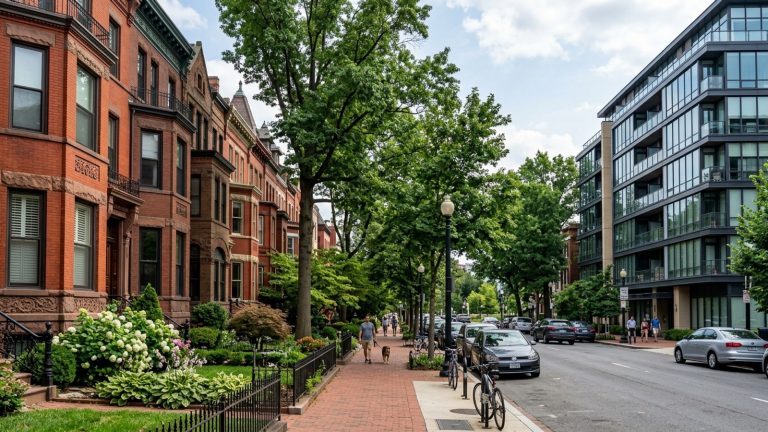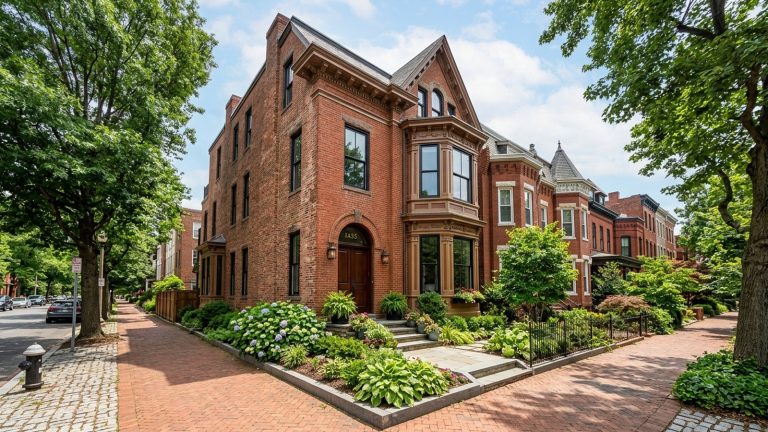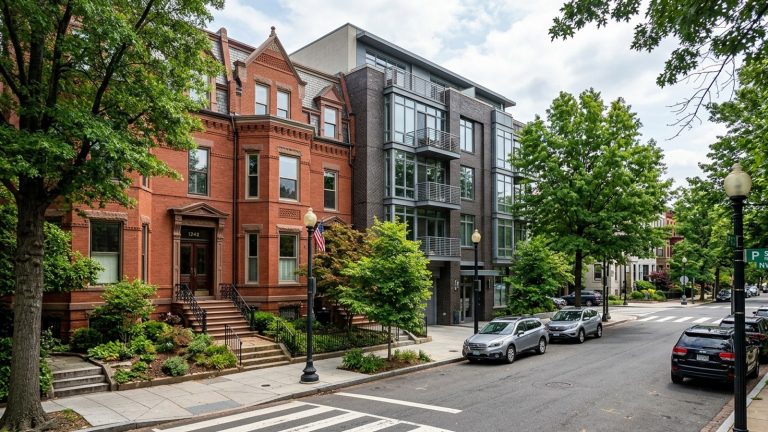

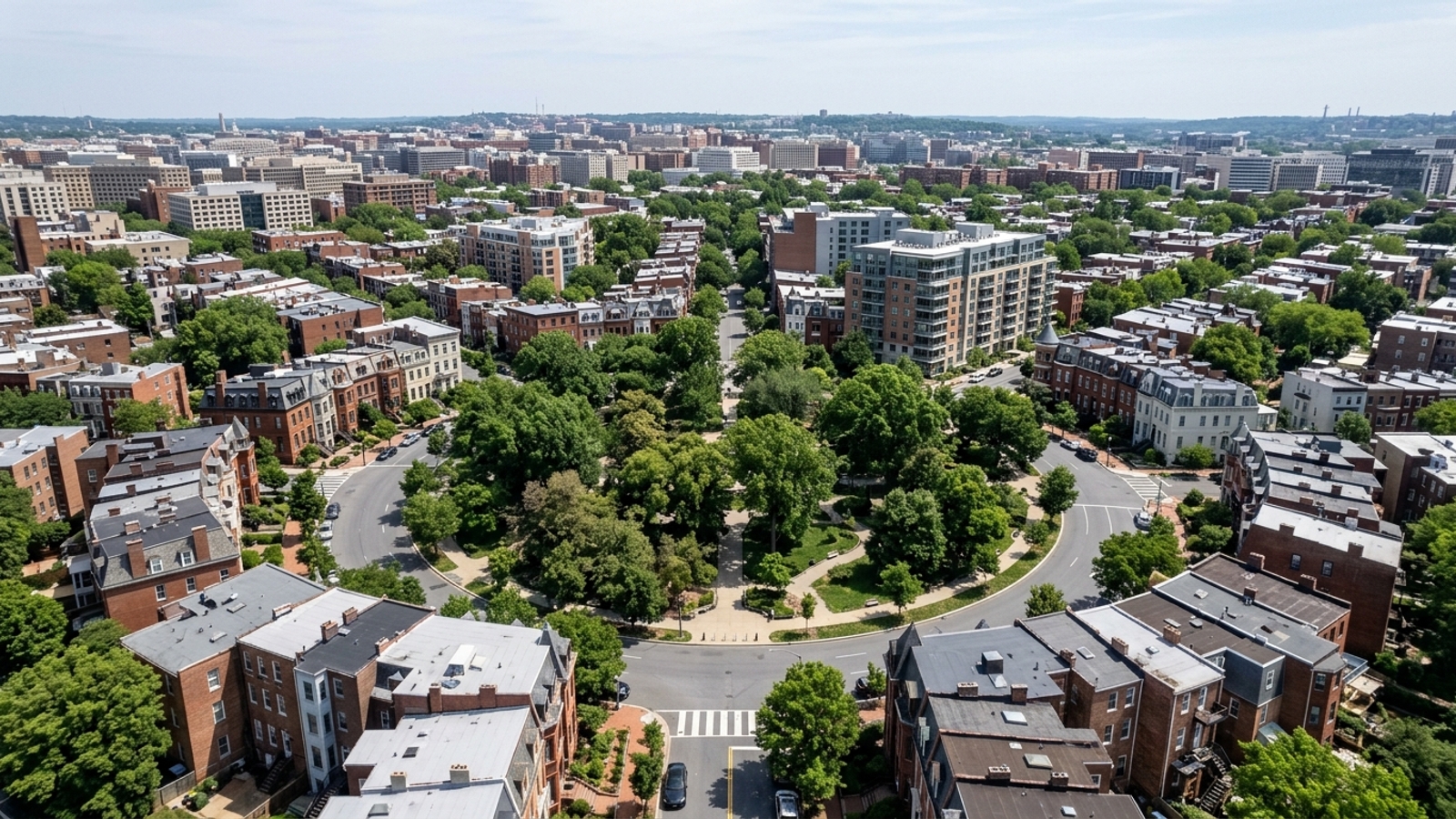
The median price across all types of homes in Logan Circle sits at roughly $815,000, and properties are spending an average of 53 days on the market. If you’re budgeting for a purchase here, the down payment is only part of what you’ll need to bring to the table.
Settlement fees cover the administrative, legal, and tax requirements to transfer property ownership in the District of Columbia. They’re due on closing day, and they add a substantial amount to your initial cash requirement – more than most buyers anticipate the first time through.
The District has specific rules around transfer taxes and title insurance that dictate who pays for what. Knowing how the expenses break down before you’re sitting at the settlement table is worth the time it takes to understand them.
What Buyers and Sellers Pay at the Settlement Table
Real estate transactions in Washington, D.C. split the final administrative expenses between buyer and seller. Buyers generally cover the costs tied to securing their mortgage; sellers handle the fees for clearing the property’s title and paying real estate commissions. The exact amount depends on the final sale price and whatever was negotiated in the purchase contract. Both parties receive documentation before settlement laying out their obligations.
Closing Costs Compared to Your Down Payment
Your down payment is the portion of the purchase price you pay upfront – it goes directly toward your equity in the property. Closing costs are entirely separate fees paid to third parties to make the transaction happen.
Lenders won’t let you roll settlement fees into your down payment. You need enough liquid funds to cover both, delivered by wire transfer or cashier’s check on closing day.
Customary Splits in Washington, D.C.
Buyers typically pay for their lender’s title insurance policy, appraisal, and loan origination charges. Sellers usually cover the buyer’s owner’s title insurance policy, though that split is negotiable.
The District also levies specific transfer and recordation taxes on every sale. Common practice in D.C. has the seller paying the transfer tax and the buyer paying the recordation tax.
Average Closing Costs for Logan Circle Buyers
Buyers in Washington, D.C. typically pay between 2% and 5% of the home’s purchase price in closing costs. Some market data sources, like ClosingCorp, put the average closer to 3.9% for the metro area.
Apply that 3.9% to Logan Circle’s $815,000 median sale price and you’re looking at roughly $31,785 at settlement. For a $700,000 property, estimates range from $14,000 to $35,000 depending on loan type and prepaid expenses – a wide spread, which is exactly why it pays to get specific numbers early.
Why District Averages Run Higher
The Washington Metro area carries higher settlement expenses than most other regions, largely because of local tax rates. The District charges some of the highest recordation and transfer taxes in the country, and since most fees are calculated as a percentage of the sale price, neighborhoods like Logan Circle – where prices are what they are – produce higher dollar totals almost automatically.
Calculating Fees by Home Price
A $300,000 condo purchase in the District generates roughly $9,000 to $15,000 in buyer settlement fees. A $500,000 property pushes that range to between $15,000 and $25,000, and a $600,000 home should be budgeted at approximately $18,000 to $30,000.
Cash buyers avoid lender-related fees, which lowers their total percentage – but they still owe the required municipal taxes and escrow charges. Don’t assume a cash deal means a cheap close.
Itemized Breakdown of Buyer Fees in the District
The D.C. Office of Tax and Revenue sets residential tax rates based on the property’s sale price. For transfers under $400,000, the rate is 1.1%. For transfers of $400,000 or more, the rate jumps to 1.45% on the entire amount – and that 1.45% applies separately to both the deed recordation tax and the transfer tax.
First-time homebuyers in the District may qualify for a reduced recordation tax rate of 0.725% on houses and condos, which can move the needle meaningfully at Logan Circle prices.
Loan Origination and Appraisal
Lenders charge origination fees to process and underwrite your mortgage application, typically between 0.5% and 1% of the total loan amount. You’ll also pay for a professional appraisal to confirm the property’s market value for the lender – appraisals in the D.C. area generally cost a few hundred dollars and are often paid upfront rather than at settlement.
Title Insurance Customs
Title insurance protects against past defects in the property’s ownership history. Your lender will require you to purchase a lender’s title policy to protect their financial interest in the home.
An owner’s title policy protects your equity. In Washington, D.C., the seller customarily picks up the owner’s policy – which keeps that specific cost off your side of the ledger.
Escrow, Prepaids, and Property Taxes
Your lender will likely require you to establish an escrow account at closing to hold funds for future property taxes and homeowners insurance premiums – expect to fund it with several months’ worth of payments. You’ll also pay prepaid interest covering the days between your closing date and the start of your first full mortgage cycle.
These prepaid items aren’t fees in the traditional sense; you’d be paying them eventually regardless. They just come due all at once on closing day.
Ways to Lower Your Out-of-Pocket Expenses
Recent data shows Logan Circle homes selling at about 99.5% of list price, which points to a reasonably balanced negotiation environment. You have a few avenues to reduce your upfront cash requirements – none of them guaranteed, but worth pursuing.
Shopping multiple lenders is the most straightforward one. Comparing Loan Estimates from different institutions surfaces real differences in origination fees and third-party charges that can add up to meaningful savings.
Asking for Seller Concessions
You can negotiate for the seller to cover a portion of your closing expenses – these are called seller concessions, and sellers may agree to them to keep a deal moving, particularly if a property has been sitting longer than the 53-day neighborhood average.
Loan programs cap how much a seller can contribute, usually between 3% and 6% of the purchase price. The credits have to be written directly into your purchase agreement – you can’t add them after the fact.
Lender Credits
Some lenders will cover a portion of your settlement fees in exchange for a higher interest rate. That reduces the cash you need on closing day, but it raises your monthly mortgage payment for as long as you hold the loan.
Run the math on how long it takes for the higher monthly payment to cancel out the upfront savings. This approach makes the most sense if you’re planning to refinance or sell within a few years – less so if you’re in the property for the long haul.
Frequently Asked Questions
What percentage of the purchase price should I budget for buyer closing costs on a Logan Circle condo?
You should budget approximately 2% to 5% of the purchase price. For a typical Logan Circle condo, this often lands around 3.9%, covering lender fees, prepaids, and the D.C. recordation tax.
How does the DC recordation tax work, and do buyers pay the full amount?
The District charges a 1.45% recordation tax on homes sold for $400,000 or more, and 1.1% for homes under that threshold. Buyers customarily pay the full recordation tax, while sellers pay the separate transfer tax, though first-time buyers might qualify for a reduced 0.725% rate.
Can I use the DC Tax Abatement Program to lower my closing costs in Logan Circle?
Yes, first-time DC homebuyers can qualify for a reduced recordation tax rate of 0.725% on houses and condos. This reduction significantly lowers the total amount due at settlement.
Do I have to prepay HOA fees or capital contributions at closing for a Logan Circle apartment?
Yes, you will likely need to prepay certain expenses at closing. Lenders typically require buyers to fund an escrow account with several months of reserves for property taxes and homeowners insurance, and condo associations often require upfront fee payments as well.
Is it common for sellers to pay buyer closing costs in the current Logan Circle market?
It depends on the specific transaction and how long the property has been on the market. With Logan Circle homes averaging 53 days on market and selling at 99.5% of list price, buyers can sometimes negotiate seller concessions, though it is not guaranteed.
When exactly do I need to wire my final closing funds to the DC title company?
You must provide your final funds on closing day to complete the transaction. The title company will calculate the exact total – including your down payment, lender fees, and the DC recordation tax – so you can arrange the transfer.