
Washington, D.C. real estate requires absolute precision, and understanding pricing strategies in Logan Circle DC is essential for a successful transaction this year. The 20005 zip code presents a highly specific landscape where moving just a few streets can dramatically shift a property’s market value. Sellers and buyers alike must look beyond broad citywide trends to grasp the localized metrics driving contract momentum.
Approaching the market in April 2026 means navigating an environment where buyers are highly analytical and sensitive to carrying costs. Listing a property without a clear, data-backed approach often leads to extended days on market and inevitable price reductions. We need to examine how distinct property types, hyper-local walkability, and nuanced market data shape the final closing price in this prominent architectural corridor.
The 2026 Logan Circle Real Estate Market at a Glance
The current housing landscape in Logan Circle demands strict pricing discipline from sellers. As of early 2026, the median sale price hovers around an approximate $785,000, though historic district properties routinely push much higher. Buyers are scrutinizing values closely, which is reflected in the area’s list-to-sale price ratio sitting near 97.4 percent.
Average days on market sit between 76 and 97 days depending on the specific property type and interior condition. However, a well-priced urban rowhouse in pristine condition can move from active to pending in under 20 days.
The clear takeaway for sellers is that testing the market with an inflated number is a losing strategy this year. Stale listings quickly lose their appeal, forcing sellers to accept less than they might have achieved with a sharper initial price. Precision right out of the gate is the only way to capture the highest possible net return.
How Property Type Dictates Your Pricing Strategy
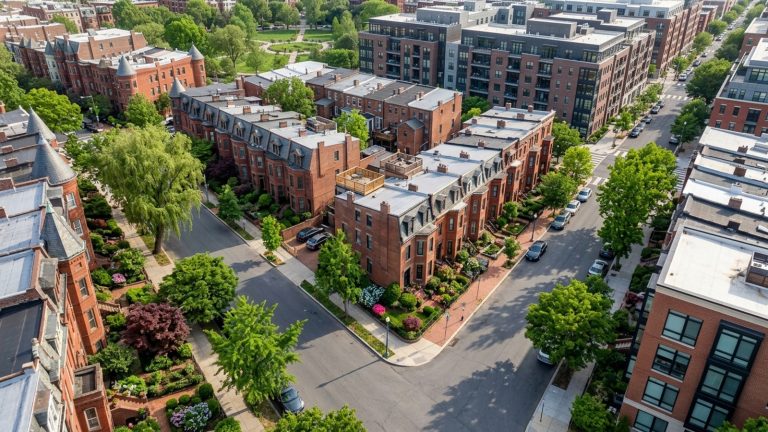
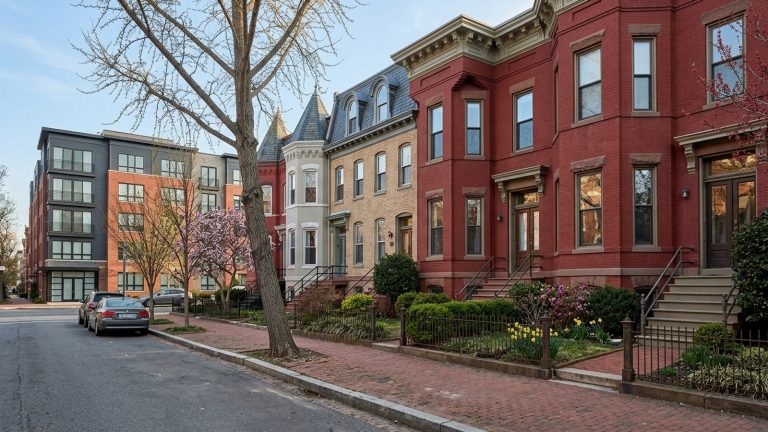
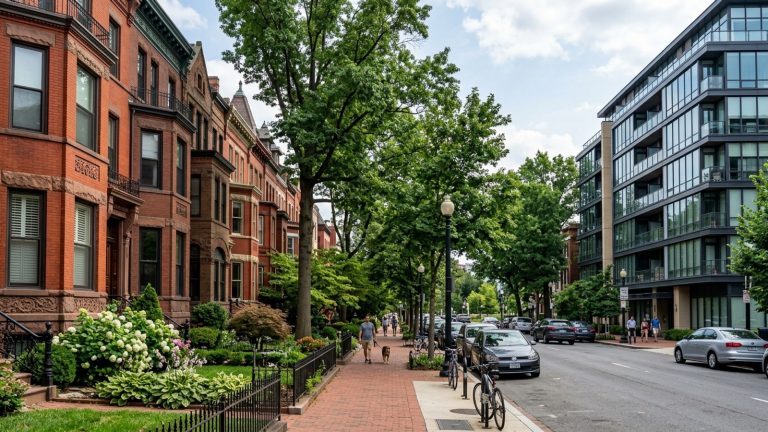
Logan Circle is defined by its stark architectural contrasts, meaning the 20005 zip code functions as a collection of distinct micro-markets. You cannot price a classic Victorian rowhouse using the same metrics applied to a newly constructed condominium. Each building type commands a vastly different price per square foot, ranging anywhere from $600 to $870.
Applying a blanket neighborhood average to your specific listing will inevitably skew your valuation. A successful pricing strategy requires isolating your exact property type and comparing it only to identical structures. This granular approach prevents sellers from either leaving money on the table or scaring off potential offers with an unjustified premium.
Valuing Historic Victorian Rowhouses
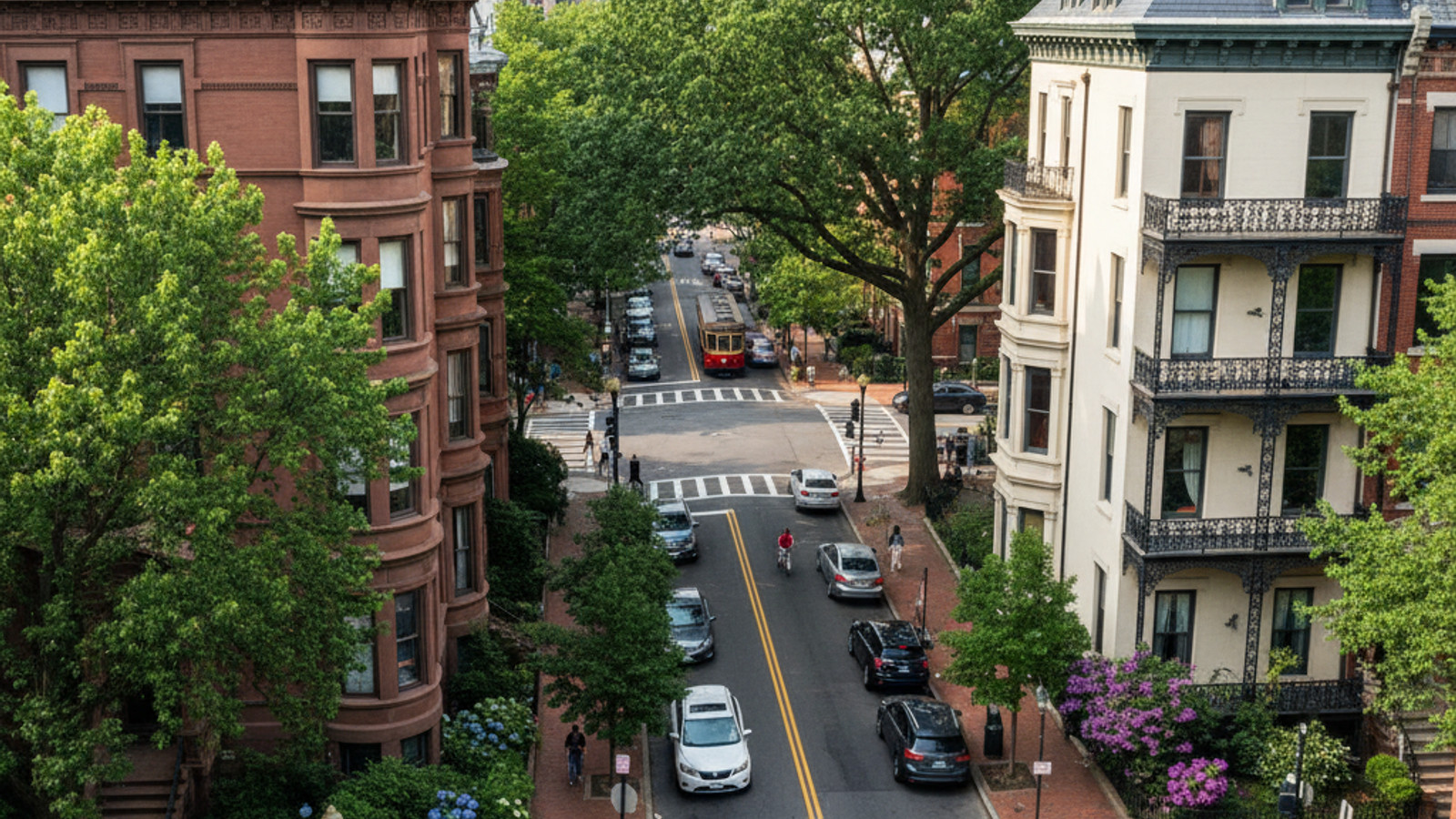
Properties falling within the official Logan Circle Historic District boundaries carry significant premiums, often driving median prices well above the $1,100,000 mark. Fully updated Victorian rowhouses with modernized interiors command the highest valuations in the neighborhood. Buyers are willing to pay top dollar for the blend of preserved 19th-century facades and turnkey modern convenience.
Valuing these homes requires factoring in the strict historic district regulations governing exterior modifications. Since these rules can limit or complicate future renovations, buyers often penalize listings that require extensive exterior restorative work. While rowhouses avoid monthly condominium fees, sellers must account for the variable maintenance costs associated with older structures when setting their expectations.
Pricing Modern Condominiums and Loft Conversions
Condominium pricing relies heavily on the building’s financial health and the specific amenity package offered. Monthly condo fees in the area typically range from $0.80 to over $2.00 per square foot. Standard building fees might run $300 to $600, while luxury high-rise amenities can push monthly costs between $800 and $1,200.
High monthly carrying costs directly suppress the maximum list price a seller can realistically achieve. Buyers underwrite their total monthly payment, meaning a unit with an exorbitant HOA fee must be priced lower to attract offers. Furthermore, recent reserve studies and the looming threat of special assessments play a massive role in buyer negotiations and final contract prices.
Boutique loft conversions often command a distinct premium over larger, standard luxury buildings. The scarcity of these unique units creates localized demand that allows sellers to push the price per square foot higher.
Hyper-Local Walkability and Proximity Premiums
Location within Logan Circle is measured in blocks rather than miles, and proximity to key corridors drastically alters property valuations. Homes situated just steps from the 14th Street Corridor capture the highest end of the neighborhood’s $870 per square foot spectrum. The immediate access to dense retail and dining amenities translates directly into measurable real estate equity.
Proximity to daily essentials like Whole Foods and local grocery stores provides a stabilizing effect on buyer demand. Properties within a five-minute walk of these commercial anchors rarely experience prolonged slumps in buyer interest. Furthermore, being within short walking distance of the U Street Metro Station or the Shaw-Howard station adds a significant premium for daily commuters.
The ultimate luxury in this highly walkable environment is private vehicle storage. Deeded parking is incredibly scarce throughout the district, and securing a private spot can add tens of thousands of dollars to a property’s baseline value. Sellers who possess off-street parking hold a massive point of leverage that should be heavily weighted in the initial listing price.
Fine-Tuning Your Comparative Market Analysis (CMA)
Running a standard Comparative Market Analysis is entirely insufficient for a neighborhood as nuanced as Logan Circle. Relying on generic neighborhood comps without adjusting for building scale or architectural style will produce a fundamentally flawed valuation. Sellers must compare apples to apples to understand how active buyers will perceive their listing against the current competition.
To build a highly accurate CMA in 2026, you must evaluate specific adjustments that dictate local value. A precise valuation requires looking closely at the following variables to ensure a realistic listing price:
- Matching boutique buildings exclusively with other boutique properties rather than massive high-rises.
- Applying specific dollar adjustments for deeded parking spaces or private outdoor terraces.
- Analyzing active listings and pending sales to gauge real-time contract velocity, rather than relying solely on past sold data.
- Factoring in Washington, D.C.’s high transfer and recordation taxes when predicting a buyer’s net offer.
Evaluating contract velocity is perhaps the most critical step in this current market cycle. If identical units are sitting active for 90 days, pricing aggressively above their numbers will guarantee failure. A hyper-focused CMA protects your equity by aligning your expectations with the exact reality of the current month’s market conditions.
Frequently Asked Questions About the Logan Circle Market
What are typical HOA and condo fees in Logan Circle, and what do they cover?
Standard condo fees in the neighborhood range from approximately $300 to $600 per month, while luxury buildings often charge between $800 and $1,200. These fees typically cover exterior maintenance, master insurance, trash removal, and reserve fund contributions. Buildings with extensive amenities like 24-hour concierge services or rooftop pools will naturally fall on the higher end of that spectrum.
How do historic district rules affect renovations and property values in Logan Circle?
Properties inside the official historic boundaries are subject to strict regulations regarding exterior modifications and material choices. This preserves the neighborhood’s iconic 19th-century aesthetic, which inherently drives up baseline property values. However, buyers may reduce their offers on unrenovated homes to account for the added time and cost of compliant restorative work.
Is Logan Circle expensive compared to other parts of DC?
Yes, the 20005 zip code remains one of the more premium real estate markets within the district. With an approximate median sale price of $785,000 and historic rowhouses exceeding $1,100,000, it outpaces many neighboring areas. The premium is driven heavily by the intense concentration of dining, retail, and transit options along the 14th Street Corridor.
How much are DC transfer and recordation taxes on a typical Logan Circle condo?
Washington, D.C. imposes a recordation tax on buyers and a transfer tax on sellers, which are typically split at settlement. For residential properties sold under $400,000, each side pays 1.1 percent of the sale price. For properties $400,000 and above – which includes nearly all Logan Circle inventory – the rate increases to 1.45 percent for each party.