
Selling property in the District requires a clear understanding of the financial obligations that happen at the settlement table. Homeowners often focus entirely on the listing price, but the final payout depends heavily on the specific deductions taken before the funds hit your bank account. Preparing for these expenses early prevents unwanted surprises during the final days of the transaction.
The exact amount you walk away with hinges on your ability to accurately forecast your net sheet. Navigating seller closing costs in Logan Circle DC involves calculating everything from mandatory municipal taxes to standard administrative fees. Having a precise breakdown of these numbers ensures you can make informed decisions when evaluating competitive offers.
What Are Standard Seller Closing Costs in Washington, DC?
Seller closing costs represent the collection of taxes, agent commissions, and administrative fees required to legally transfer property ownership in the District. These expenses are deducted directly from the sale proceeds rather than paid out of pocket beforehand. Total closing costs for sellers in Washington, DC typically range from 7% to 9% of the final purchase price.
This percentage is not arbitrary, and understanding the individual line items gives you more control over the final outcome. Many sellers assume all fees are rigidly fixed, but certain costs fluctuate based on the property type and negotiated contract terms. Knowing exactly where your equity goes is the most important step in protecting your investment during a sale.
Real Estate Agent Commissions
The seller customarily pays the listing agent’s commission directly from the net proceeds at settlement. Buyer agent compensation is negotiated and handled differently in 2026, aligning with recent National Association of Realtors settlement practices that require clear, upfront agreements. This shift means sellers have more flexibility in deciding how or if they want to offer concessions for buyer representation.
Total commissions across the transaction often range from 4% to 6% of the final purchase price. These rates are not legally fixed and vary depending on the brokerage, the marketing strategy, and the level of service provided. It is crucial to outline these exact percentages in your listing agreement before the property hits the market.
DC Transfer and Recordation Taxes
The District enforces specific property transfer tax regulations that significantly impact your bottom line. The customary split in Washington, DC dictates that the seller pays the transfer tax, while the buyer handles the recordation tax. These taxes are calculated based on the final purchase price rather than the initial listing amount.
Properties under $400,000 incur a 1.1% transfer tax rate. For homes sold at $400,000 and above, the transfer tax increases to 1.45% and applies retroactively to the entire purchase price. This means selling a property for $405,000 triggers the higher percentage on every dollar, making pricing strategies incredibly important near that threshold.
Title Fees, Settlement Charges, and HOA Packets
Administrative and legal fees form the final component of your settlement statement. Title companies charge standard fees for processing the deed, handling the mortgage payoff, and managing the escrow funds. Sellers are also responsible for covering any prorated property taxes and utility bills calculated up to the exact closing date.
Logan Circle features a dense concentration of condominiums, and sellers in these buildings face an additional requirement. You must pay for a condo resale packet for the buyer to review during the contingency period. These comprehensive document packets in Washington, DC typically cost between $250 and $500 depending on the management company.
2026 Closing Cost Calculations for Logan Circle Properties
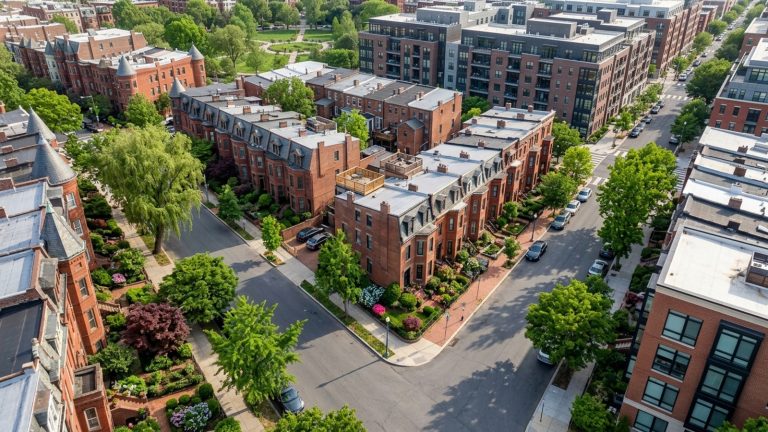
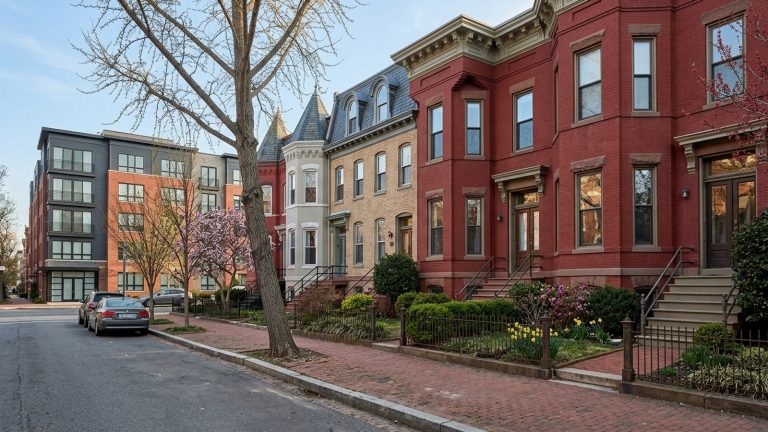
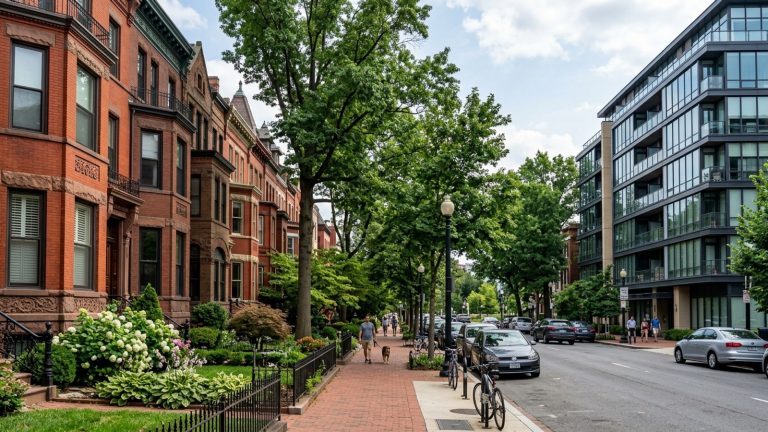
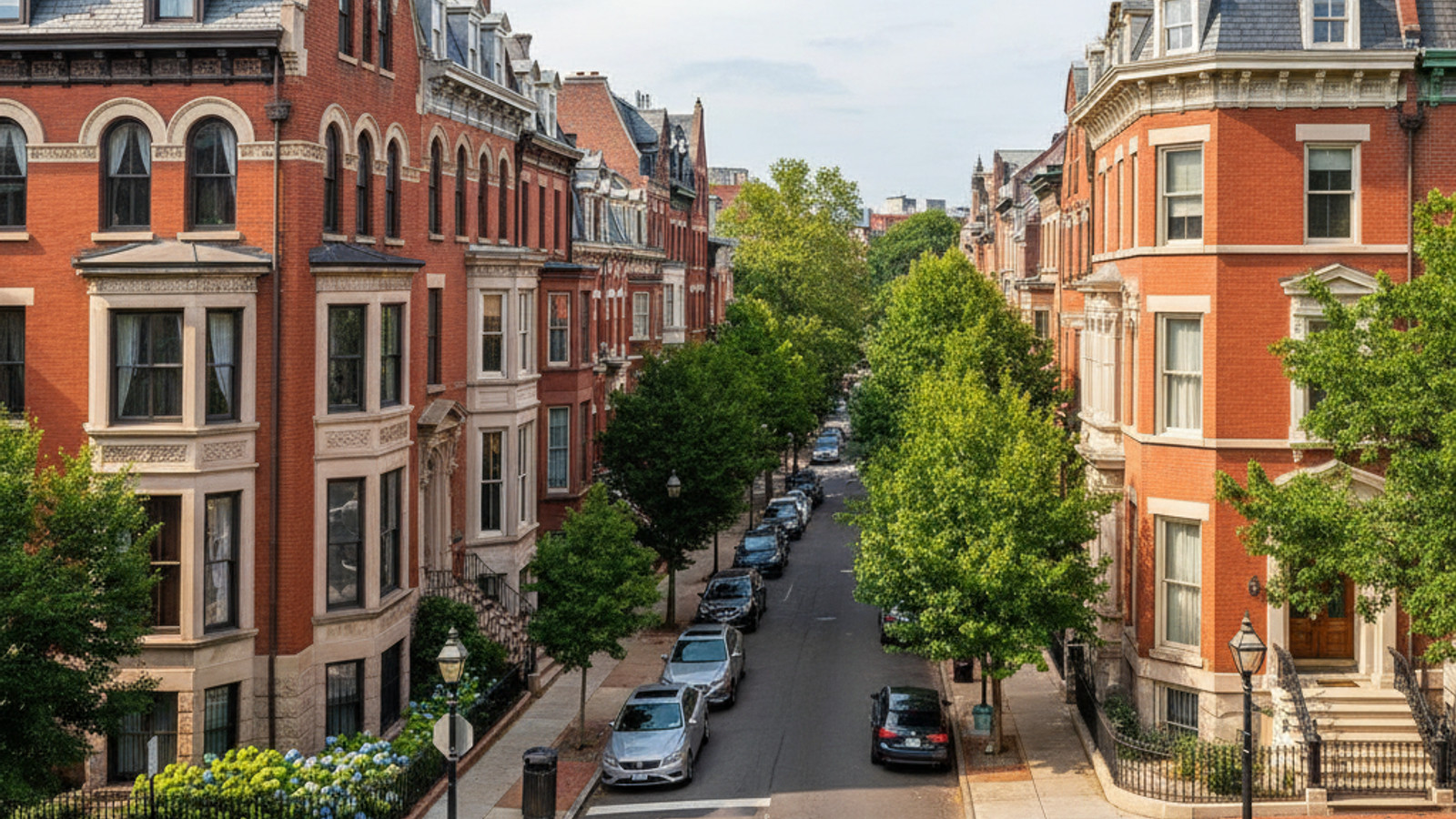
Projecting your net proceeds requires applying current tax rates and standard fees to real-world property values. The Logan Circle market primarily consists of two distinct housing types: historic rowhouses and modern mid-rise condominiums. Each property style carries a different price point, which directly influences the mandatory transfer tax bracket.
These calculations serve as estimates to help you forecast your net sheet before listing your property. Failing to account for the 1.45% transfer tax is the most common mistake sellers make when estimating their returns. Reviewing these hypothetical scenarios demonstrates exactly how much equity you retain after the final documents are signed.
Selling a Historic Rowhouse
Attached historic homes in this neighborhood command premium valuations that place them firmly in the highest tax tier. Accurately projecting the costs for a high-value property prevents sellers from overestimating their liquid returns.
- Hypothetical 2026 purchase price: $1,200,000
- DC transfer tax at 1.45%: $17,400
- Estimated 5% total agent commissions: $60,000
- Estimated title fees, deed preparation, and prorated taxes: $1,500
In this scenario, total estimated deductions reach roughly $78,900. The seller would walk away with approximately $1,121,100 before accounting for any outstanding mortgage payoffs.
Selling a Mid-Rise Condominium
Condos represent the highest volume of transactions in the area, often appealing to buyers looking for proximity to the 14th Street corridor. These sales include specific association fees that must be cleared before the deed transfers.
- Hypothetical 2026 purchase price: $650,000
- DC transfer tax at 1.45%: $9,425
- Estimated 5% total agent commissions: $32,500
- Condo resale packet and administrative fees: $2,000
The total deductions for this condominium sale sit near $43,925. This leaves the seller with an estimated net payout of $606,075 to apply toward their next real estate purchase.
How Logan Circle Market Factors Impact Sales Velocity and Proceeds
Closing costs are just one side of the financial equation when transferring property. The final sale price and the total days on market also dictate the strength of your net proceeds. Properties that sit unsold often require price reductions or seller concessions, which eat into your expected equity just as quickly as taxes do.
Objective neighborhood amenities drive the buyer demand that keeps time-on-market low. The 14th Street retail and dining corridor remains a massive draw, anchoring property values throughout the surrounding blocks. Homes situated within a half-mile of this commercial strip historically secure stronger offers with fewer requests for closing cost assistance.
Transit accessibility further strengthens property valuations in the area. The neighborhood benefits from close proximity to the Green and Yellow lines, with the Mt. Vernon Square and Shaw-Howard University Metro stations located just blocks away. Easy access to these transit hubs justifies premium pricing and helps sellers negotiate from a position of strength.
Proximity to dedicated green spaces adds another layer of tangible value to local listings. The actual Logan Circle park provides a rare open landscape in a highly developed urban grid. Properties overlooking or sitting within a short walk of this landmark consistently command higher baseline prices, easily offsetting standard settlement fees.
Frequently Asked Questions
Are seller closing costs in Logan Circle, DC tax deductible?
Many of the fees associated with selling your home can be deducted from your capital gains. Agent commissions, title fees, and transfer taxes typically reduce your realized profit, which lowers your overall tax liability. You should consult a licensed tax professional in Washington, DC to determine exactly which deductions apply to your specific 2026 return.
Who pays DC transfer and recordation taxes in Logan Circle sales?
The customary split in the District requires the seller to pay the transfer tax. The buyer is then responsible for paying the recordation tax at settlement. This standard division ensures both parties share the financial burden of transferring the property deed.
Do buyers pay for title insurance in DC?
The buyer is generally responsible for purchasing the lender’s title insurance policy to secure their mortgage. The owner’s title insurance policy is optional, but the buyer customarily pays for it if they choose to add that protection. Sellers rarely cover title insurance premiums unless they explicitly agree to offer a closing cost concession.