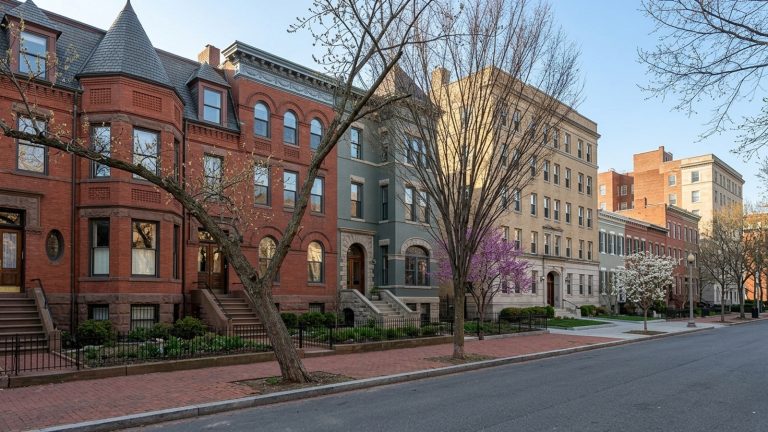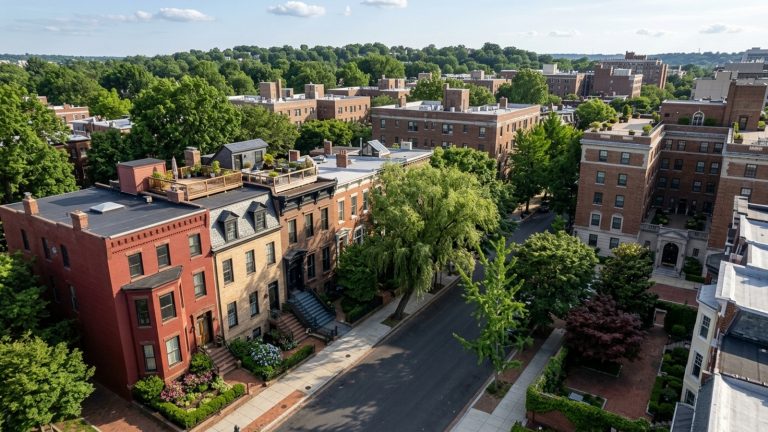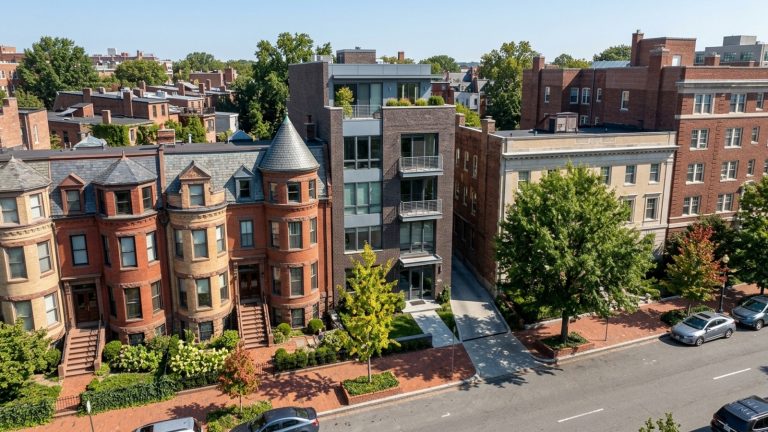

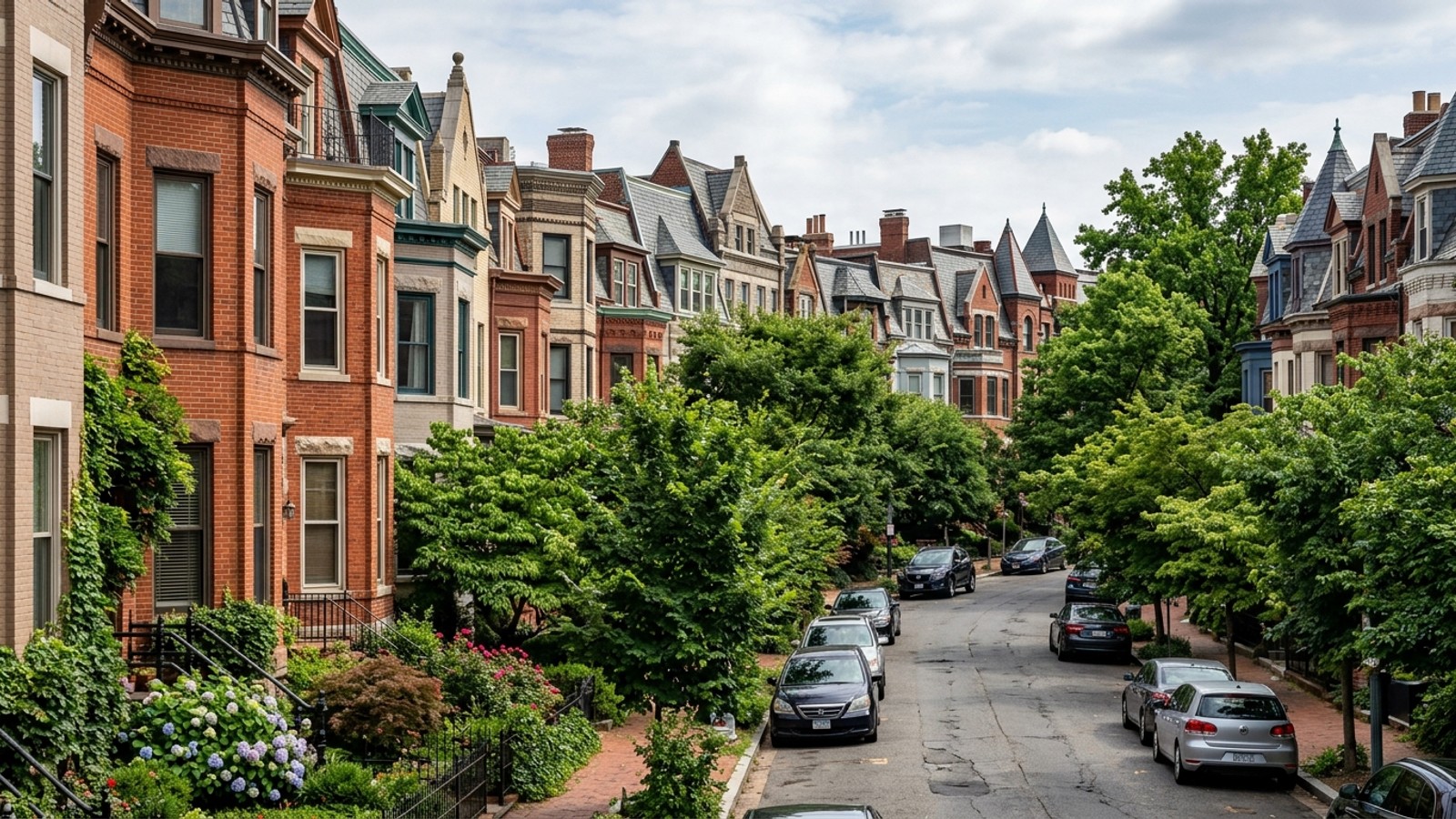
Washington, D.C. runs through four genuine seasons – cherry blossoms in spring, brutal humidity in August, brilliant fall color, and winters cold enough to freeze your pipes. Buyers relocating to the area ask me constantly how the climate will affect their daily routines and what it means for maintaining a property when living in Logan Circle.
It’s a fair question. Whether you’re touring historic rowhouses or just trying to figure out when to book the moving truck, knowing what’s coming – from the freezing lows of January to the heavy air of late summer – makes the whole transition less stressful.
What to Expect From the Climate in Logan Circle, DC
The District sits at an average elevation of roughly 150 feet above sea level. That said, there’s real variation across the city: areas near the Potomac River drop to sea level, while northwest points like Fort Reno Park climb to 409 feet. That geography contributes to a climate defined by distinct seasons and frequent precipitation – you’re not going to outrun either one.
Logan Circle falls within a humid subtropical climate zone. Hot, muggy summers. Cool to cold winters. That’s your baseline.
Understanding the Local Climate Zone
If you’re planning to do anything with the yard or garden, Logan Circle sits generally in USDA Plant Hardiness Zone 7a, with some nearby areas bordering 7b. That supports a wide variety of plants, as long as they can handle both summer heat and the occasional hard freeze.
The climate zone also shapes how homes here are built and what they need to stay comfortable. Reliable HVAC systems aren’t optional in this kind of humidity, and proper insulation matters more than buyers from milder markets tend to expect.
Seasonal Weather Changes Across the Year
Every quarter in Logan Circle brings a real shift – temperature, precipitation, how it feels to walk outside. This isn’t a place where the seasons blur together.
Spring and fall are the stretches most residents actually look forward to. Mild temperatures, manageable humidity, and genuinely pleasant days make these the most popular windows for house hunting and getting outside.
Summer Heat and Winter Chills
Summers here are hot and humid in a way that catches people off guard if they’re coming from a drier climate. Daytime highs frequently push into the 90s, and the heavy air makes it feel warmer than the thermometer reads.
Winter is a different kind of unpleasant. Nighttime lows drop below freezing regularly, and you need to be ready for icy sidewalks and snow accumulation as a routine part of the season.
Monthly Temperature Averages for the District
July is the hottest month in the DC area. The overall average sits around 80°F, with daytime highs typically reaching about 90°F and nighttime lows that only fall to around 72°F – so there’s not much overnight relief.
Those numbers matter when you’re budgeting for utilities or deciding when to schedule your move. The swing between the peak of summer and the depths of winter is drastic, and your energy bills will reflect it.
The Coldest Times of Year
January is the coldest month, with an overall average temperature of about 38°F. Daytime highs hover around 45°F, while overnight lows routinely dip to 28°F.
Those freezing nights are why pipe insulation should be on your pre-winter checklist before you’ve even finished unpacking. Heating systems run hard during these months – there’s no way around it.
Precipitation and Humidity Levels
Washington, D.C. averages approximately 43 inches of rain per year, which runs slightly above the national average of 38 inches. Rain and moisture are just part of life here, and buyers who ignore that tend to discover it the hard way through a basement inspection report.
Humidity stays elevated year-round. August is the worst of it, with average relative humidity around 69%. March offers the most relief, dropping to about 58%. It’s not dramatic, but you’ll notice the difference.
Annual Snowfall Expectations
The area averages around 14 inches of snow annually, though accumulation swings noticeably from one year to the next. January is typically the snowiest month.
Homeowners are on the hook for clearing their sidewalks after a storm. If you’re buying a rowhouse and planning to keep a car on the street, it’s worth thinking through where you’ll park during snow emergencies before you’re staring at a parking ban at 6 a.m.
Local Storms and Natural Hazards
The DC region deals with flash flooding, extreme summer heatwaves, and the remnants of Atlantic hurricanes. These aren’t hypothetical risks – they affect property selection, insurance decisions, and how you maintain whatever you buy.
Flash flooding from heavy summer thunderstorms is the most immediate concern. Extreme heat events also strain the local power grid in ways that matter if you’re relying on central air conditioning to keep an older home livable.
Thunderstorms and Tornado Risks
Tornadoes and damaging thunderstorm winds do occur in this area. A severe storm event in July 2023 brought tornado and flash flood warnings, with downed trees reported across the region.
If you’re looking at a property with large, mature trees, get them inspected for health and structural stability – it’s not a box to skip. And proper drainage around the foundation isn’t an aesthetic issue; it’s a practical one given the flash flood exposure.
How the Weather Impacts the Logan Circle Housing Market
Spring and early fall pull buyers out in force. The mild temperatures make it easy to tour neighborhoods on foot, and Logan Circle’s streets show well when the weather cooperates. That seasonal rhythm is real, and it shapes the market in ways worth understanding before you decide when to start shopping.
As of mid-2026, the median sale price in Logan Circle sits around $814,700, with homes spending roughly 53 days on the market before going under contract. The market stays active even when the seasons shift.
Finding Available Homes
Recent data shows about 171 available homes on the market, running the range from historic rowhouses to modern condos. Nearly a quarter are selling above asking price.
Sellers tend to list in spring to take advantage of comfortable touring weather and the way the neighborhood looks when everything’s in bloom. If you’re willing to shop in winter, you’ll face less competition – the cold keeps casual buyers at home, and that’s not nothing.
Frequently Asked Questions About Logan Circle Weather and Real Estate
When is the best time of year to sell a home in Logan Circle based on DC weather trends?
Spring and early fall are your best windows. The mild temperatures and average humidity around 58% in months like March make attending open houses genuinely comfortable for buyers – which translates directly into foot traffic and offers.
Do I need flood insurance for a rowhouse in Logan Circle due to heavy spring rains?
That depends on the specific elevation and location of the property. The area averages 43 inches of rain annually and carries real flash flooding risk, but you need to check the official FEMA flood maps for your exact address to know whether a policy is required.
What weather-related red flags should buyers look for during a home inspection in Logan Circle?
Start with the basement – signs of water intrusion are common given the heavy annual rainfall and flash flood exposure. From there, look at the roof condition and the age of the HVAC system, which takes a serious beating during 90°F summer days.
How do DC’s freezing winters and high humidity affect maintenance for historic Victorian homes in Logan Circle?
The temperature swings cause building materials to expand and contract in ways that compound over decades. The 69% average humidity in August demands solid ventilation to keep mold from taking hold, and the 28°F January overnight lows mean exterior masonry and pipes need proper winterization every year.
How do winter snowstorms impact street parking and moving logistics in Logan Circle?
With roughly 14 inches of snow annually and most of it falling in January, street parking can get severely restricted during storm events. Don’t schedule your moving truck during a winter weather advisory – unplowed side streets make loading and unloading a genuine ordeal.
How much do seasonal weather extremes impact utility costs for older properties in Logan Circle?
More than buyers typically anticipate. July heat means the air conditioning runs constantly, and January’s freezing temperatures demand continuous heating – especially in older homes with original windows that weren’t designed for modern energy efficiency. Expect meaningful spikes at both ends of the calendar.