
If you are looking at living in Washington DC and want a neighborhood that feels like the center of the universe, Logan Circle is usually at the top of the list. But for parents—or those planning to become parents—the calculation is a bit more complex than just picking a cool spot near the best restaurants.
This neighborhood is where historic Victorian architecture crashes right into the modern buzz of the 14th Street Corridor. It is not a quiet suburban enclave, and it doesn’t pretend to be. The core trade-off here is distinct: you are swapping a private backyard and square footage for unbeatable walkability and culture.
For families who want to be “in the mix” and rely less on cars, this area is often a top contender. As we settle into early 2026, the neighborhood has seen some shifting dynamics regarding safety and market value that make it a compelling, albeit expensive option for urban living.
Housing Inventory: Space vs. Location
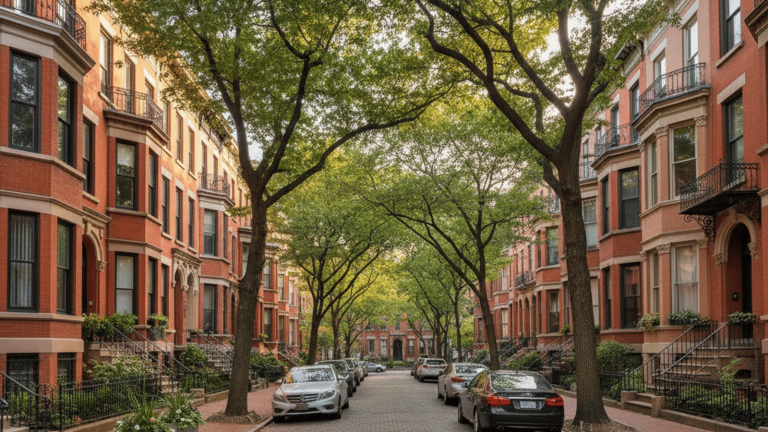
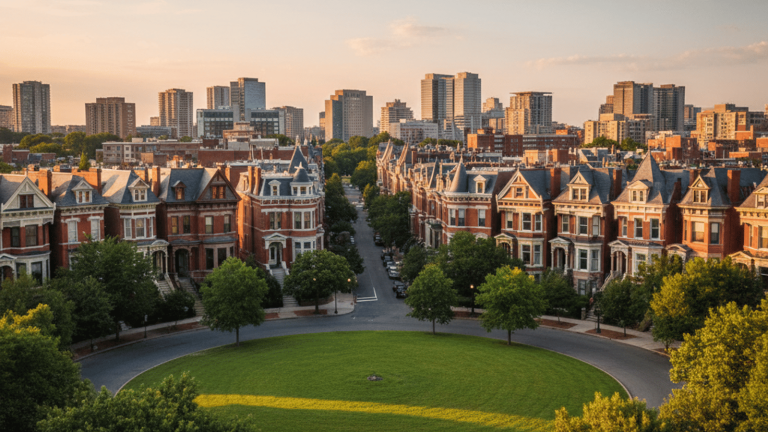
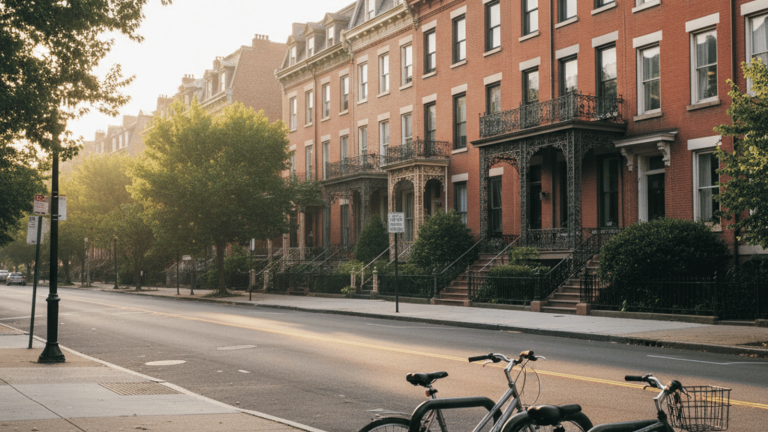
Let’s get into the numbers, because this is usually where the dream meets reality. Housing in Logan Circle is dominated by two styles: beautiful Victorian rowhouses (many of which have been converted into condo units) and luxury mid-rise apartment buildings.
The biggest hurdle for growing households is the “Family Unit” challenge. Finding a true 3-bedroom home here is rare. Most inventory was designed for young professionals, meaning 1-bedroom and 2-bedroom units are the standard. When a 3-bedroom unit or a full single-family rowhouse hits the market, it commands a significant premium. You also have to adjust your expectations on outdoor space; private yards are scarce, so most residents rely on balconies or the public parks as their backyard.
Parking is another massive factor. Street parking is fiercely competitive. If you are buying a rowhouse or a condo, a deeded parking spot adds significant value to the property—often tens of thousands of dollars.
Here is what the pricing landscape looks like as of early 2026:
- 2-Bedroom Condos: typically range from $650,000 to $1.1M+, depending heavily on square footage and condo fees.
- Single-Family Rowhouses: expect to start around $1.6M for something needing work, with renovated homes easily pushing $2.5M+.
- Rentals: If you are testing the waters, 2-bedroom rentals often exceed $3,500–$4,500 per month.
Schools and Childcare Options
Once you have navigated the housing stock, the next question is almost always about education. For public school, the neighborhood is anchored by Garrison Elementary School. Garrison has seen significant modernization in recent years and has developed a reputation for strong community involvement and active parent groups.
If you are looking at the broader map, other nearby public options include Ross Elementary in Dupont and the School Without Walls at Francis-Stevens, though you must verify your specific address against the current DCPS boundary lines.
For older students, the typical high school feeder pattern leads to Cardozo Education Campus. However, it is worth noting that many families in the District utilize the DC public school lottery guide to apply for city-wide options and specialized programs outside their immediate zone.
Childcare is a logistical reality you need to plan for early. High-quality daycare and preschools are in high demand here. Local centers like Logan-Shaw Child Care or the nearby KinderCare locations often have waiting lists, so it is smart to put your name down well before you actually need the spot.
Playgrounds and Green Spaces
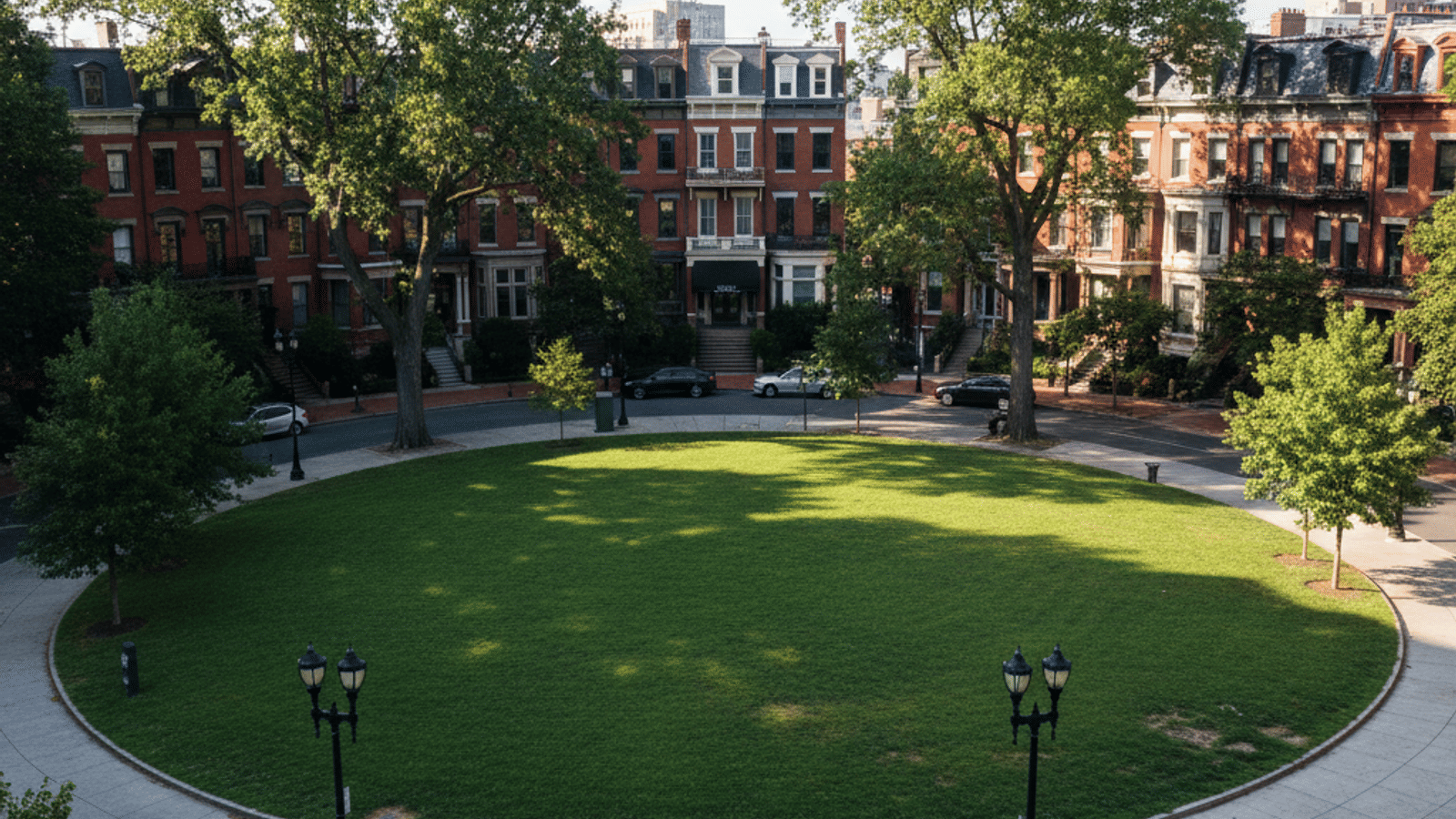
Since you likely won’t have a big backyard, public space becomes your living room. The neighborhood’s namesake, Logan Circle, is a fantastic circular park. It is perfect for picnics, letting toddlers run on the grass, and casual hangouts. However, it is important to know that the Circle itself does not have playground equipment.
For slides, swings, and climbing structures, the local favorite is Westminster Playground. Tucked away near 9th Street, this is often considered a “hidden gem” by residents. It features colorful murals and serves as a gathering spot for local playdates.
Beyond the immediate blocks, you have excellent access to other amenities. The Shaw Dog Park is great for pet owners, and Stead Park in nearby Dupont offers extensive recreation facilities. The overall walkability is an amenity in itself; the wide, stroller-friendly sidewalks make it easy to access the MLK Library or downtown museums without ever folding up the buggy.
Safety, Traffic, and Urban Noise
Safety is a top priority for any parent, and the conversation around Logan Circle has evolved. As of early 2026, local data shows that violent crime in the area has seen a downward trend—dropping roughly 30% compared to last year. While this is encouraging, property crime remains a consistent urban issue. Package theft and car break-ins are the most common complaints, meaning residents need to be vigilant about locking doors and utilizing package lockers.
The other major factor is the environment created by the 14th Street Corridor. This strip is one of DC’s premier nightlife destinations. It is busy, vibrant, and loud late into the night. Families who are sensitive to noise usually prefer homes on the side streets—like Vermont Avenue or O Street—rather than living directly on the main commercial arteries.
Traffic density is also high. With buses, delivery trucks, and commuters, the streets can get chaotic. Parents need to be hyper-aware when walking with young children near the main intersections. However, the trade-off is that the heavy foot traffic during the day contributes to a feeling of community presence and eyes on the street.
Family Conveniences: Grocery and Transit
One of the biggest perks of living in Logan Circle is how easy the logistics become. You are rarely more than a few blocks from daily necessities.
Whole Foods Market on P Street is effectively the community hub. It is where you run into neighbors and grab dinner on a busy Tuesday. If that’s not your speed, there is also a Giant and a Trader Joe’s within a short walk or drive.
Regarding transit, Logan Circle is geographically central but sits in the “pocket” between Metro stations rather than right on top of one. You are walkable to:
- McPherson Square (Blue/Orange/Silver lines)
- Dupont Circle (Red line)
- U Street/Shaw (Green/Yellow lines)
This connectivity makes car-free living highly feasible. In fact, many households in the area skip the second car entirely, relying on cargo bikes, rideshare, and the bus system to get around.
Logan Circle vs. Other DC Neighborhoods
If you are still weighing your options, it helps to compare Logan Circle against its neighbors to see which lifestyle fits your pace.
vs. Capitol Hill: Living in Capitol Hill DC offers a much quieter, “small town” feel with more rowhouses and tree-lined residential streets. Logan Circle is trendier, denser, and feels much more “downtown.”
vs. Chevy Chase: If you want a single-family detached house with a driveway and a large yard, you should look at the Chevy Chase DC guide. That area is suburban and quiet. Logan Circle is for those who want vertical living and city energy.
vs. Dupont Circle: These two neighbors share a similar historic vibe. However, Logan feels slightly more residential and condo-heavy in its recent developments, whereas Dupont has a heavier concentration of embassies, think-tanks, and office buildings mixed in.