
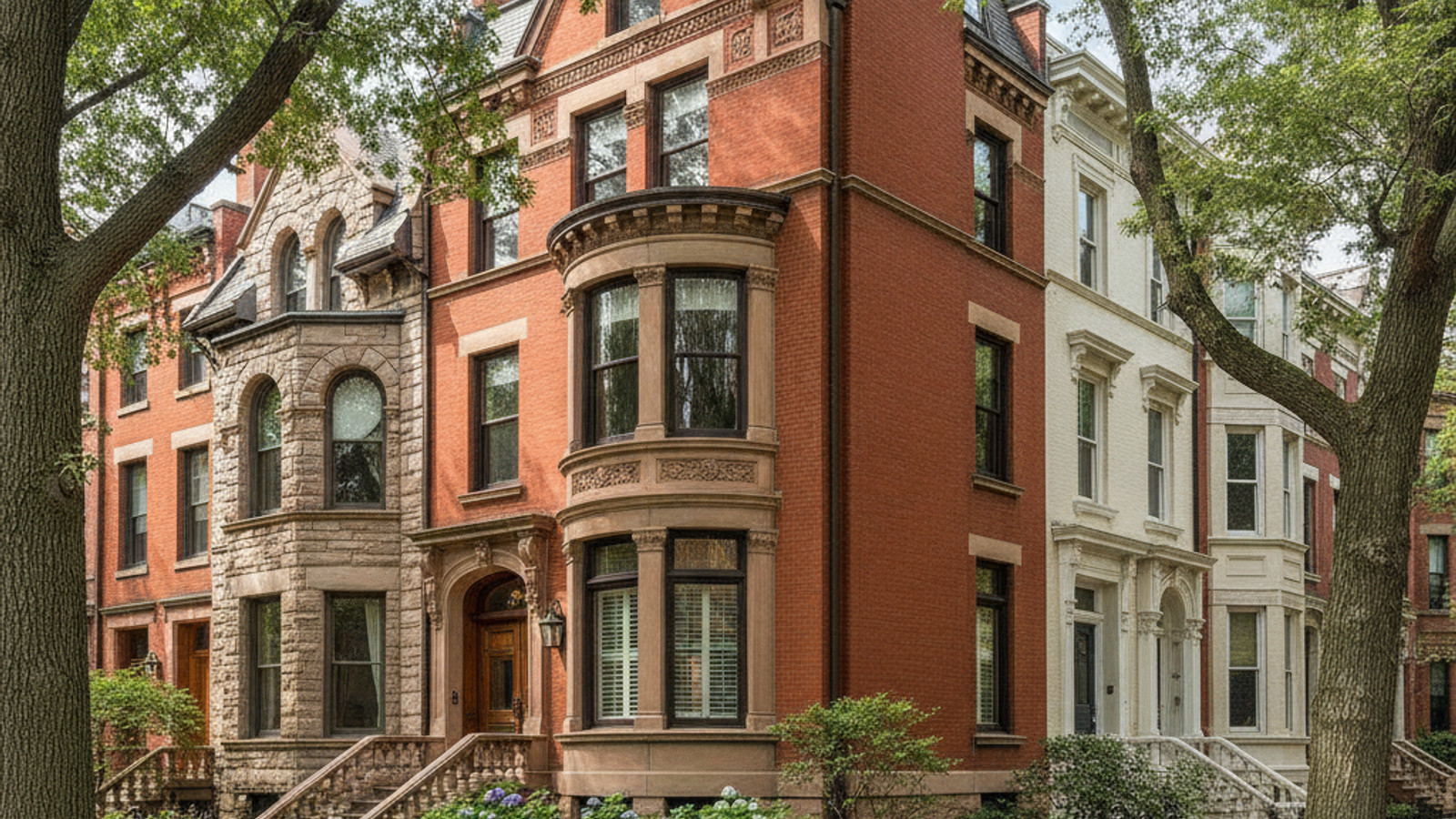
The median home price across all property types in this Washington, DC, neighborhood sits around $582,000 as of mid-2026. Buying a home in Dupont Circle, DC, means entering a market defined by 19th-century architecture and immediate access to the city’s primary transit network.
Buyers will find a mix of housing options ranging from multi-story rowhouses to high-rise condominiums. The iconic fountain at the center of the neighborhood serves as a geographic anchor for the surrounding residential streets.
The 2026 Real Estate Market Explained
Properties in Dupont Circle spend an average of 54 to 84 days on the market before closing. This timeline reflects a steady pace where move-in ready homes find buyers quickly.
The $582,000 median price point represents an aggregate of all housing stock in the neighborhood. This number is driven by the high volume of smaller condominium units exchanging hands on a regular basis.
Pricing Differences by Property Type
Single-family historic rowhomes follow a completely different pricing tier than the neighborhood median. These multi-story properties often list for well over $1,000,000 and command higher prices based on their square footage and architectural details.
Condos and co-ops keep the overall neighborhood average lower. Buyers focused on single-family homes should prepare a budget that far exceeds the baseline neighborhood statistics.
Housing Styles and Property Types
The housing inventory in Dupont Circle is split primarily between multi-unit buildings and classic attached rowhouses. Many of the original structures date back to the late 1800s and feature prominent Victorian architectural elements.
Buyers looking for modern amenities will find them concentrated in the high-rise condos and co-ops along the main avenues. These multi-unit buildings make up a large portion of the area’s available inventory.
Evaluating Condos and Co-ops
Purchasing a co-op requires approval from a building board and comes with different financing structures than a standard condo. Buyers should review the building’s financial health and reserve funds before submitting an offer.
High-rise buildings often provide front desk security, fitness centers, and rooftop terraces. You should assess the condition of older properties and verify exactly what amenities your monthly dues cover.
Property Taxes and Carrying Costs
The residential property tax rate in Washington, DC, is $0.85 per $100 of assessed value. This rate applies to owner-occupied homes that qualify for the homestead deduction.
Buyers must also account for DC’s recordation and transfer taxes at the closing table. These municipal taxes add a specific percentage to your closing costs based on the final purchase price of the home.
Factoring in HOA and Condo Fees
Monthly condo and HOA fees in the neighborhood typically range from $400 to $800. These dues generally cover exterior maintenance, trash removal, and common area upkeep.
Luxury buildings with extensive amenities often charge fees exceeding $1,000 per month. Lenders must include these monthly obligations when calculating your debt-to-income ratio for mortgage approval.
Metro Access and Commute Times
The Dupont Circle Metro station operates on the Red Line and serves as the primary transit hub for the neighborhood. Entrances on both the north and south sides of the traffic circle provide immediate underground access.
Residents can reach Downtown DC on foot or connect to alternative routes into Northern Virginia via the Blue, Orange, or Silver lines at nearby transfer stations. Multiple city bus routes also run directly down Connecticut Avenue.
Travel Times to Key Destinations
Federal workers heading to Capitol Hill can expect a commute of about 22 minutes. This trip requires transferring at Metro Center to reach the Capitol South or Union Station stops.
Traveling directly to Union Station on the Red Line takes just 8 minutes. This short ride provides fast access to Amtrak and MARC trains for regional travel.
Local Parks, Grocery Stores, and Healthcare
The central Dupont Circle fountain park acts as the geographic center of the neighborhood. The surrounding greenspace features benches and walking paths maintained by the National Park Service.
Residents have immediate access to several major grocery chains within walking distance. Medical care is also nearby, with George Washington University Hospital located just a few blocks south in Foggy Bottom.
Daily Conveniences
Grocery runs are straightforward with a local Safeway situated on 17th Street and a Whole Foods Market nearby on P Street. Independent markets and convenience stores fill in the gaps along the residential corridors.
Having George Washington University Hospital less than a mile away provides a Level I trauma center and comprehensive medical services. Several urgent care clinics also operate directly within the neighborhood boundaries.
Public School Zoning and Boundaries
The neighborhood falls within the District of Columbia Public Schools (DCPS) network. The primary facility serving the immediate area is Ross Elementary School.
The Ross Elementary attendance boundary covers students from prekindergarten (PK4) through 5th grade. Children living within this specific geographic zone have a guaranteed right to attend the school.
Out-of-Boundary Applications
Families living outside the designated boundary do not have automatic enrollment rights. Out-of-boundary students must apply for a seat through the My School DC citywide lottery system.
Lottery placement depends on available space after all in-boundary students have enrolled. Waitlists are common for out-of-boundary applicants seeking a spot at Ross Elementary.
Renovation Rules for Historic Properties
The Dupont Circle Historic District was officially established in 1976. This designation places specific legal constraints on how homeowners can modify their properties.
The DC Historic Preservation Review Board oversees all exterior changes within the district boundaries. You must obtain approval from this board before starting any exterior construction or demolition.
Exterior Alteration Restrictions
Exterior facades, original windows, and front-facing additions must maintain the original architectural styles of the era. Modifications that are visible from the street are rarely approved if they alter the historic character of the building.
Interior renovations do not face the same historical constraints. Homeowners can modernize kitchens, bathrooms, and floor plans as long as they secure standard building permits from the city.
Frequently Asked Questions
Standard monthly dues for a mid-tier building run between $400 and $800. If you target a building with a rooftop pool and a 24-hour concierge, expect those monthly costs to easily surpass the $1,000 mark.
A standard trip on the Red Line with a transfer at Metro Center takes approximately 22 minutes. Riding a bicycle across town using the protected lanes on 15th Street takes roughly the same amount of time during rush hour.
Any changes visible from the public right-of-way require permits from the DC Historic Preservation Review Board. Replacing original wood windows with modern vinyl or altering the brick facade will almost certainly be rejected.