
If you are looking into moving to Washington DC, these two neighborhoods almost certainly popped up on your radar immediately. In real estate listings and casual conversation, they are often grouped together as “Logan/Shaw,” implying they are basically the same place.
While they are geographically attached at the hip—sharing a border roughly along 11th and 13th Streets NW—living in them offers two distinct experiences. Think of them as cousins rather than twins. Logan Circle is the polished, established “older sibling” known for its Victorian grandeur and perfectly manicured rotary. Shaw is the dynamic, historic “cool sibling” with a grittier edge, trendy alleyways, and a vibrant nightlife pulse.
Here is a breakdown of how these adjacent titans compare so you can decide which side of the street feels like home.
The Vibe: Polished Charm vs. Eclectic Energy
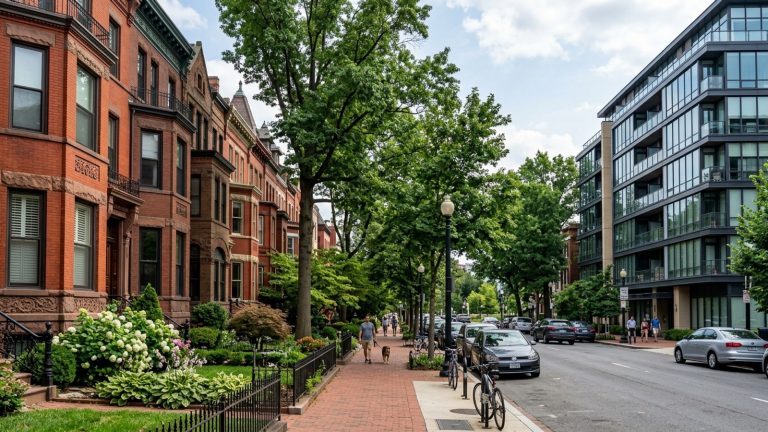
The biggest difference you will feel on the ground is the atmosphere. Logan Circle is arguably the crown jewel of DC gentrification. It feels finished, stately, and very green. The Circle itself acts as the neighborhood’s communal front yard. On any given evening, you will see picnickers, residents reading on blankets, and neighbors walking dogs in a setting that feels surprisingly calm despite being blocks away from downtown. It is sophisticated and bustling, but in a curated way.
Shaw brings a different energy. Historically known as “Black Broadway,” Shaw has deep cultural roots that mix with a wave of rapid development. It feels more industrial and eclectic. You might walk past a historic church, an auto body shop turned into a beer garden, and a luxury glass condo building all on the same block.
Noise levels differ here, too. The residential side streets of Logan Circle tend to be quieter, insulated by the canopy of mature trees. Shaw is generally louder and livelier, especially if you are living near the nightlife corridors of U Street nightlife corridor or 9th Street.
Real Estate & Housing Stock: Rowhouses, Condos, and Conversions
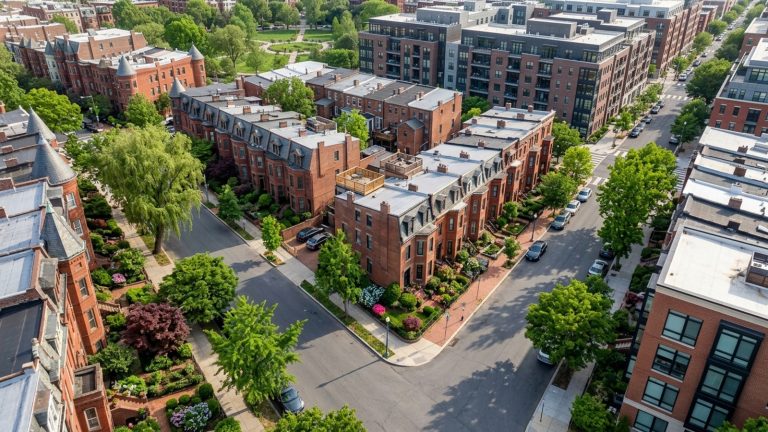
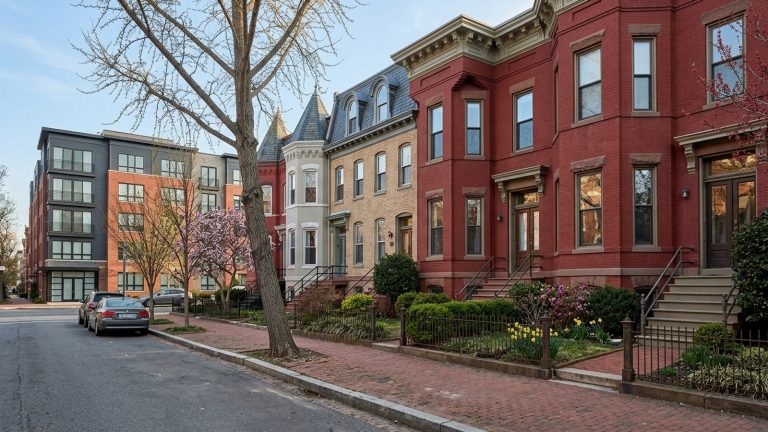
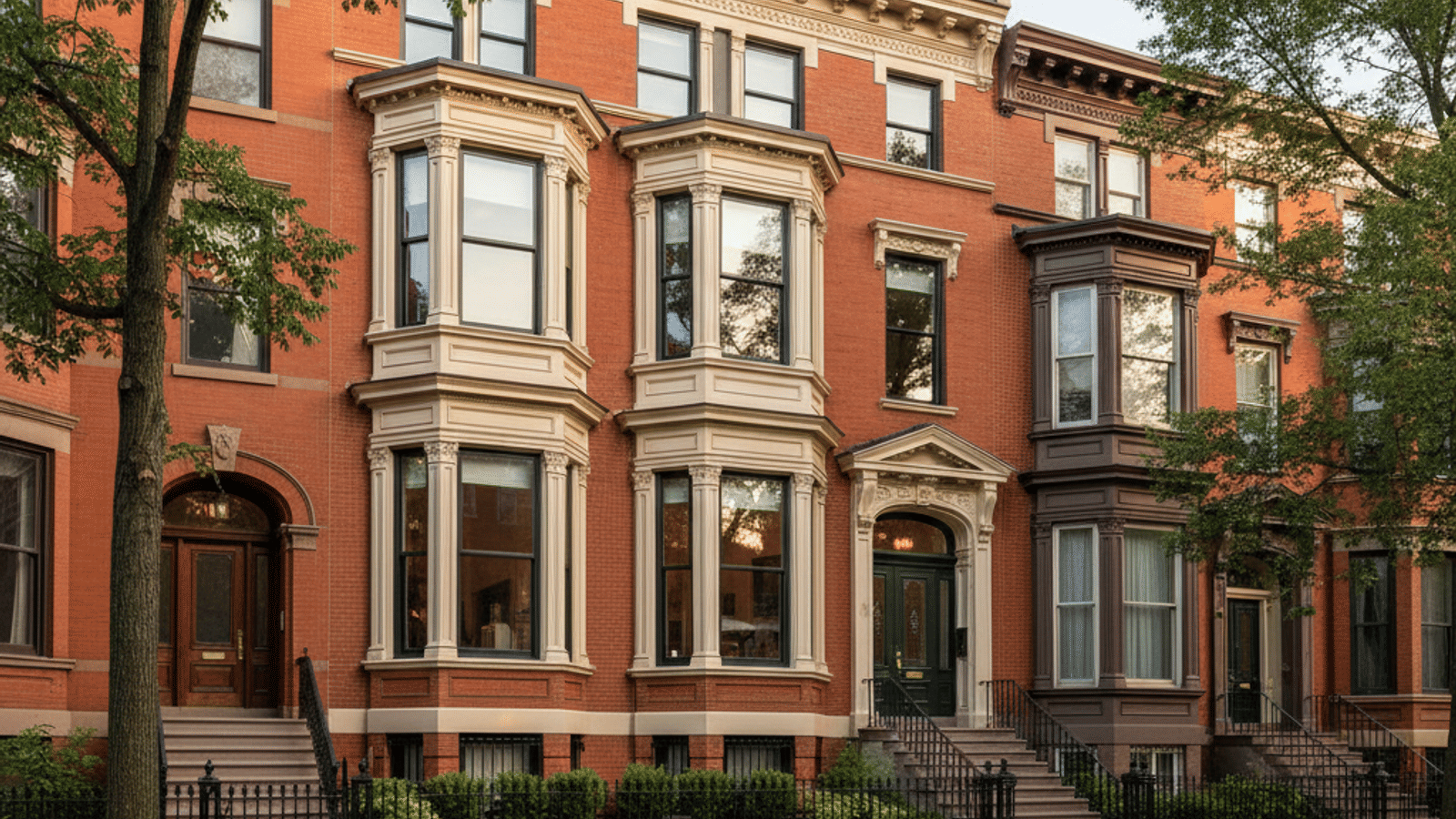
When you start browsing listings, you will notice the architectural divide immediately. Logan Circle is famous for its “Grand Dames”—massive, beautifully restored Victorian rowhouses with turrets and bay windows. It is an area heavy on historic preservation. Consequently, many of the condos for sale here are conversions of old mansions, meaning you get character, but perhaps fewer modern amenities like elevators or front desks.
Shaw offers a wider mix. While you will still find plenty of charming Federal-style rowhouses (which are often slightly smaller and older than Logan’s Victorians), Shaw is also the hub for new construction. If you are looking for floor-to-ceiling windows, rooftop pools, and concierge services, buildings like The Shay or Atlantic Plumbing define the Shaw skyline.
- Logan Circle: Best for lovers of high ceilings, decorative moldings, and historic charm.
- Shaw: Best for buyers wanting modern industrial aesthetics, elevators, and “new build” amenities.
Cost of Living: Rent and Home Prices
Let’s be honest: neither of these neighborhoods is a “budget” option. They are consistently among the most expensive zip codes in the District. However, Logan Circle generally commands a premium due to its established reputation and limited inventory.
For homebuyers, the entry point for a rowhouse in Logan Circle is often in the multi-million dollar tier. Shaw offers a slightly wider range of entry points, especially if you are looking at condos. However, the gap is closing.
Here is a rough snapshot of what you might expect to see in the market:
- Median Sold Price: Expect to see condos hovering in the $820,000 to $850,000 range in both areas. However, premium 2-bedroom units in Logan often push well over $900,000.
- Rental Market: A standard luxury 1-bedroom apartment usually lands between $2,500 and $2,700 per month. Interestingly, Shaw rentals can sometimes rival or exceed Logan prices because of the “amenity fees” attached to those luxury high-rises with pools and gyms.
Dining, Shopping, and Nightlife
Both neighborhoods are culinary heavyweights, but they serve different crowds.
Logan Circle is anchored by the 14th Street Corridor. This is the “see and be seen” strip of DC. It is home to high-end staples like Le Diplomate, upscale wine bars, and polished interior design shops. It is also incredibly convenient for errands, hosting both a Whole Foods and an Amazon Fresh. If you want to buy a mid-century modern sofa and then grab a nice steak, this is your spot.
Shaw’s scene is centered around 7th and 9th Streets, plus the hidden gem of Blagden Alley. The vibe here is more indie and hipster. You have Michelin-starred dining tucked away in literal alleyways (like The Dabney) and rowdy, fun spots like Dacha Beer Garden. Shaw is less about national retail chains and more about unique, chef-driven experiences and local bars.
Commute and Transit: The Metro Factor
This is often the deciding factor for commuters. Shaw has a massive advantage here: the Shaw-Howard University Metro station (Green and Yellow Lines). It is located right in the heart of the neighborhood, providing a direct, no-transfer shot to National Airport, Amazon HQ2, and Gallery Place.
Logan Circle, by contrast, is something of a “transportation island.” There is no Metro station directly inside the neighborhood boundaries. Residents usually walk 10 to 15 minutes to reach McPherson Square (Blue/Orange), Dupont Circle (Red), or U Street (Green).
While both neighborhoods boast Walk Scores well above 95—meaning car ownership is totally optional—Shaw wins purely on rail access. If you need to commute daily by train, that 15-minute walk in Logan Circle can feel long in August humidity or January sleet.
Safety and Crime Perceptions
When looking at any urban neighborhood, safety is a priority. Both Logan and Shaw are dense city environments, and “city smarts” are required in both. Property crime, such as package theft or car break-ins, is the most common issue residents face in either location.
Logan Circle is generally perceived as feeling “safer,” particularly on the interior residential streets like Vermont Avenue or Rhode Island Avenue. The high foot traffic on 14th Street keeps things well-lit and busy. Recent data supports this feeling, with violent crime reports in the area dropping nearly 30%.
Shaw can feel a bit more “block-by-block.” Because it borders the busy U Street nightlife corridor, there is more late-night foot traffic, which can occasionally lead to volatility when the bars close. However, the rapid development of the last decade has brought significantly improved lighting and street activity, changing the feel of the neighborhood substantially.
Who Fits Where?
Choosing between these two often comes down to lifestyle preference rather than just budget.
- The Commuter: Shaw is the logical choice for the Metro access alone.
- The Architecture Buff: Logan Circle wins for its preserved Victorian streetscapes and grand floorplans.
- The Night Owl: Shaw puts you closer to legendary music venues like the 9:30 Club and the Howard Theatre.
- The Quiet Urbanite: If you want to be near the action but not in it, the side streets of Logan Circle offer a nice buffer from the noise.
Frequently Asked Questions
Generally, Logan Circle is slightly more expensive, particularly for historic rowhouses and condos in converted mansions. However, luxury rental buildings in Shaw can be equally pricey due to high-end amenities like pools and gyms.
No, Logan Circle does not have its own Metro station. Residents typically walk about 10 to 15 minutes to reach the nearest stations at Dupont Circle, U Street, or McPherson Square.
Shaw is a popular and densely populated neighborhood, but like many urban areas, it has pockets that vary in safety. While widely considered safe for residents who exercise normal city precautions, it can experience more late-night activity and noise than the interior streets of Logan Circle.
Street parking is notoriously difficult in both neighborhoods due to density. However, Shaw’s newer apartment buildings are more likely to have underground parking garages available for rent, whereas Logan Circle’s historic buildings rarely offer dedicated parking.
They are immediate neighbors. You can walk from the center of Logan Circle to the heart of Shaw in about 10 to 15 minutes. Residents of one neighborhood frequently cross the border to dine or shop in the other.