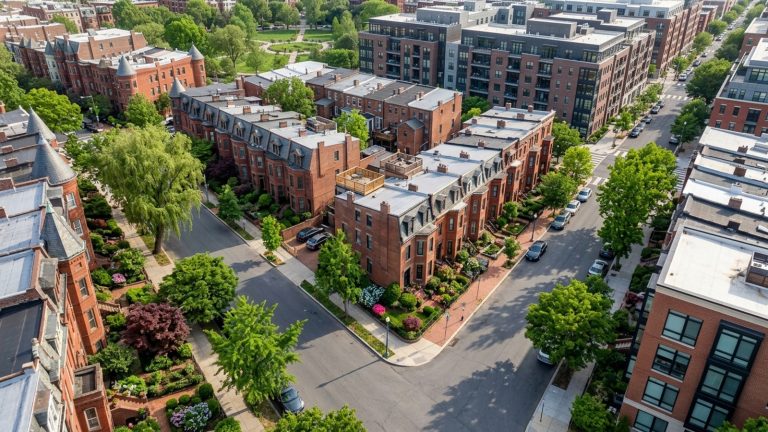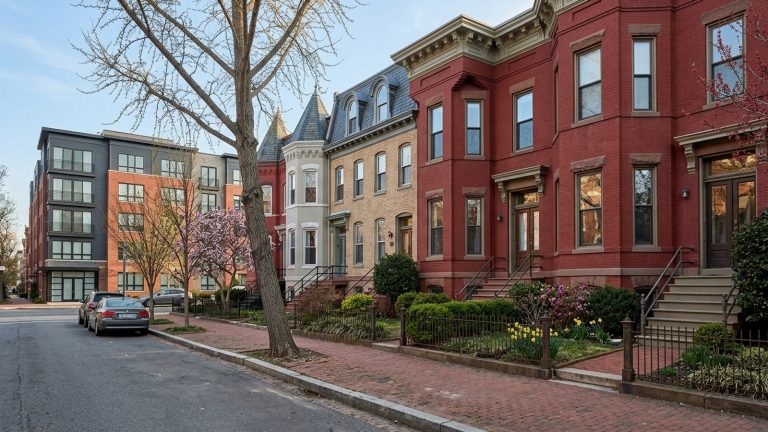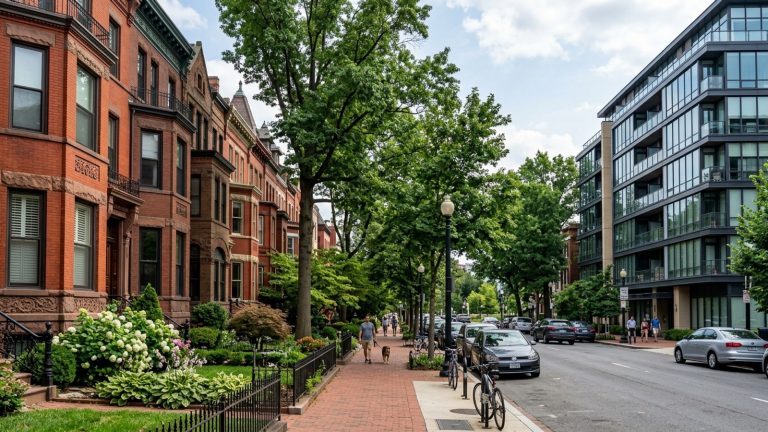

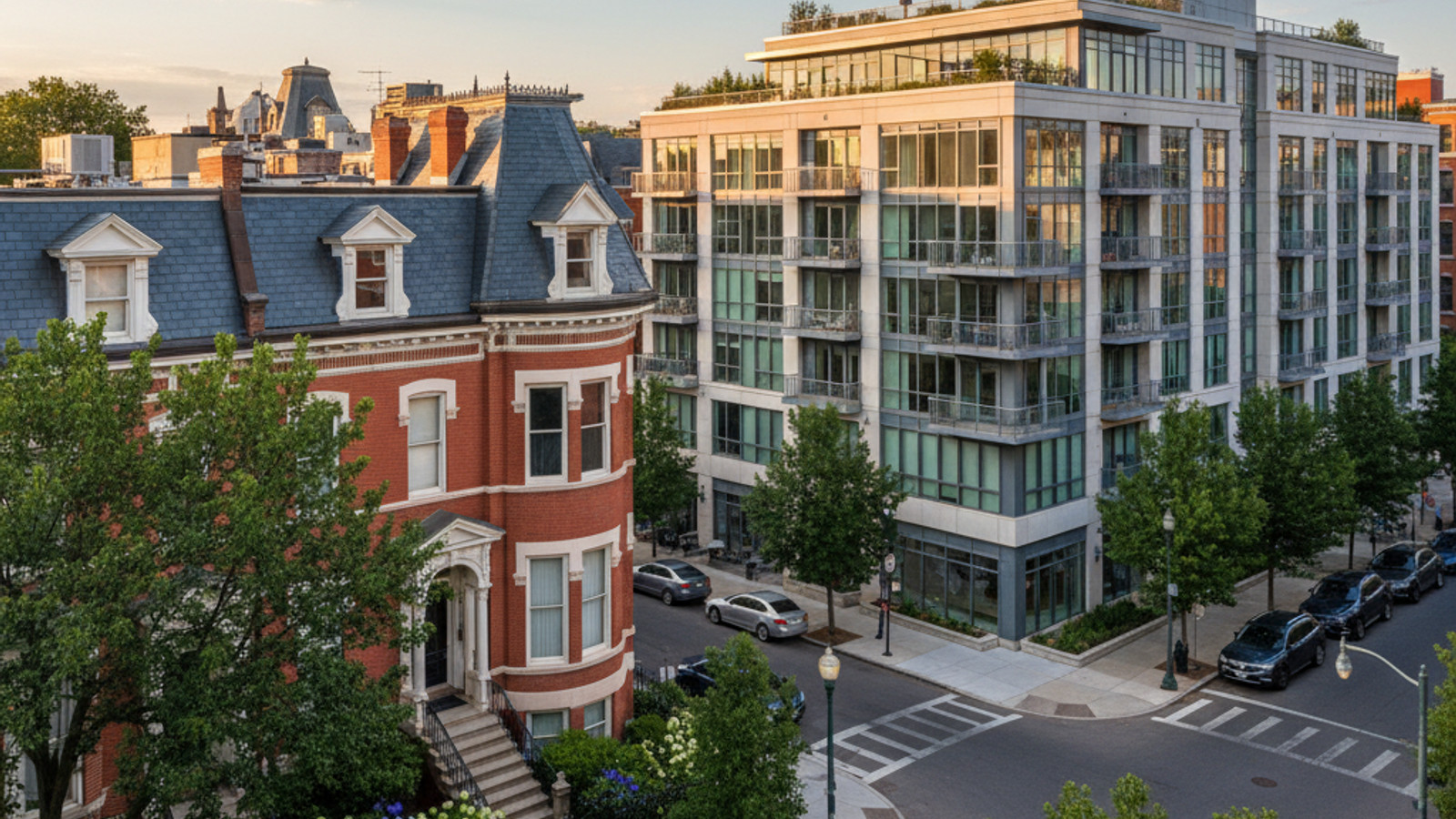
Washington, DC features numerous distinct neighborhoods, but few command the sustained attention of the Logan Circle area. Understanding property valuation in Logan Circle DC requires looking far beyond standard zip code averages or automated online estimates. The neighborhood presents a complex mix of historic preservation rules, highly variable property types, and hyper-local amenity premiums.
As we navigate the 2026 real estate landscape, accurate pricing depends on granular details that a broad market overview simply cannot capture. A property located directly on the traffic circle evaluates differently than a similar unit tucked away on a quieter side street. Buyers and sellers alike need to grasp these localized nuances to make informed financial decisions.
The Logan Circle Real Estate Market in 2026
The current market environment demonstrates a clear stabilization compared to the frantic pace of previous years. Overall, the median sale price for the neighborhood sits at approximately $785,000. However, properties located within the designated Historic District carry a significantly higher median price of $1.1 million.
Price per square foot currently ranges between $595 and $722, heavily depending on exact location, interior size, and the quality of recent renovations. Average days on market now hover between 76 and 97 days, reflecting recent inventory increases in 2026 that have given buyers slightly more leverage.
Buyers must insist on hyper-local, block-by-block comparable sales rather than relying on broad regional data. A valuation in this specific neighborhood can swing dramatically based on which side of a street the building occupies. Relying on generalized data is a quick way to overpay or underprice a home.
Comparing Logan Circle Condos vs. Historic Rowhouses
Property type remains the largest single factor driving valuations in this section of the city. Modern and converted condominiums represent the most accessible entry point, with typical units trading between $500,000 and $800,000.
Condo valuations must always factor in monthly HOA fees, which typically range from $200 to well over $1,000 depending on the building. When appraisers and underwriters look at a condo, these recurring fees directly impact a buyer’s purchasing power. By contrast, restored Victorian rowhouses command a substantial premium, frequently selling between $1.3 million and over $2.0 million.
Rowhouses avoid monthly HOA fees entirely, but they place total maintenance and capital expenditure responsibility squarely on the owner. Furthermore, properties within the Logan Circle Historic District face strict exterior modification rules enforced by local zoning authorities. These preservation guidelines can significantly increase renovation costs, which subsequently affects the property’s appraised value.
How Local Amenities Influence Property Values
Location efficiency plays a massive role in how homes are priced throughout the district. Immediate proximity to the bustling 14th Street retail corridor acts as a significant value multiplier for both condos and rowhouses alike. Properties located within a tight, three-block radius of major grocery anchors like Whole Foods see a measurable objective premium.
The physical traffic circle itself also serves as a major valuation anchor for the surrounding blocks. Properties with direct frontage or clear sightlines to the actual Logan Circle park hold the highest baseline valuations in the neighborhood.
In Logan Circle, highly walkable access to daily commercial necessities often outweighs overall interior square footage for buyers. People are consistently willing to sacrifice a larger floor plan if it means stepping out their front door directly into a vibrant commercial district. This trade-off is a defining characteristic of the local market.
The Valuation Impact of Transportation and Commute Infrastructure
Commute options and transit infrastructure heavily insulate neighborhood property values against broader market downturns. Logan Circle boasts an exceptionally high Walk Score, which directly supports strong property values and attracts consistent buyer demand. The area also features an extensive network of dedicated bike lanes connecting residents directly to Downtown DC.
While the neighborhood does not have its own dedicated Metro stop, it remains highly connected to the broader transit grid. Most properties are positioned within a comfortable walking distance of both the Mt. Vernon Sq/7th St-Convention Center and Dupont Circle stations.
Because public transit and walking are so accessible, deeded off-street parking is a rare and highly coveted commodity. Having a dedicated parking space adds a massive, immediate premium to any property valuation in this zip code. A secure spot can easily add $30,000 to $50,000 to a final appraisal.
Frequently Asked Questions About Logan Circle Real Estate
Can FHA or VA loans be used for Logan Circle condos?
Yes, you can use FHA or VA loans, but the specific condominium building must be approved by the respective administration. Many older buildings in the neighborhood do not carry this active certification. Buyers should always verify a building’s loan eligibility status before submitting an offer on a $600,000 unit.
How do condo fees in Logan Circle affect my budget?
Monthly HOA fees are factored directly into your debt-to-income ratio by mortgage underwriters. A fee of $800 per month can significantly reduce the maximum loan amount you qualify for. High fees effectively lower the purchase price you can afford when valuing a potential property.
What makes Logan Circle different from other DC neighborhoods?
The area is defined by its strictly enforced historic district overlay and its unique concentration of late 19th-century Victorian architecture. It is the only major residential circle remaining in the original city plan. This architectural preservation creates a constrained housing supply that keeps property values robust year after year.