
If you are preparing to list your property this year, you likely have one primary question on your mind. Figuring out exactly how long to sell my home in Logan Circle DC requires looking closely at our current 2026 real estate market. The timeline from listing a property to securing a ratified contract depends heavily on local inventory and buyer demand.
Washington DC has a highly localized housing market, meaning neighborhood-specific data is essential for accurate planning. Logan Circle remains a major focal point for buyers, but shifting interest rates and neighborhood developments have changed the pace of sales compared to previous years. Setting realistic expectations from day one is the best way to ensure a smooth, predictable transaction.
Understanding the 2026 Housing Market: Average Time to Sell in Logan Circle, DC
Days on market, or DOM, measures the total time a property is actively listed before going under contract. In early 2026, the average DOM for Logan Circle is roughly 70 to 97 days. This represents a stabilization in buyer timelines, as purchasers take more time to evaluate their options before submitting offers.
The median sale price in the neighborhood currently hovers between $710,000 and $785,000, depending heavily on the exact block and property condition. Homes priced correctly within this median range tend to move closer to the 70-day mark. Buyers are highly educated on market value and will quickly bypass listings that stretch beyond comparable sales data.
A clear takeaway for sellers this year is that patience and precise pricing are mandatory. The days of multiple offers within hours of a listing going live are largely behind us. Sellers who understand the current pace of the Washington DC market will avoid the frustration of an unexpectedly long listing period.
Median Days on Market by Property Type: Historic Rowhouses vs. Modern Condos
The type of property you own significantly impacts your expected listing timeline. Entry-level condominiums typically move faster if they are priced accurately and feature reasonable monthly carrying costs. Conversely, high monthly HOA fees can deter buyers, extending the days on market for certain condo buildings regardless of their interior upgrades.
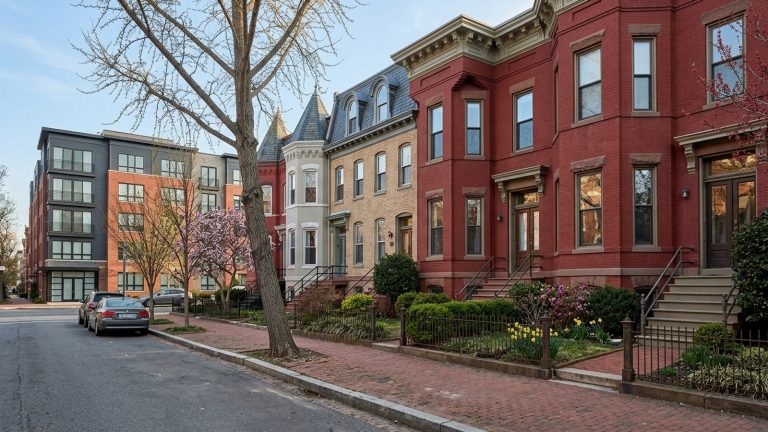
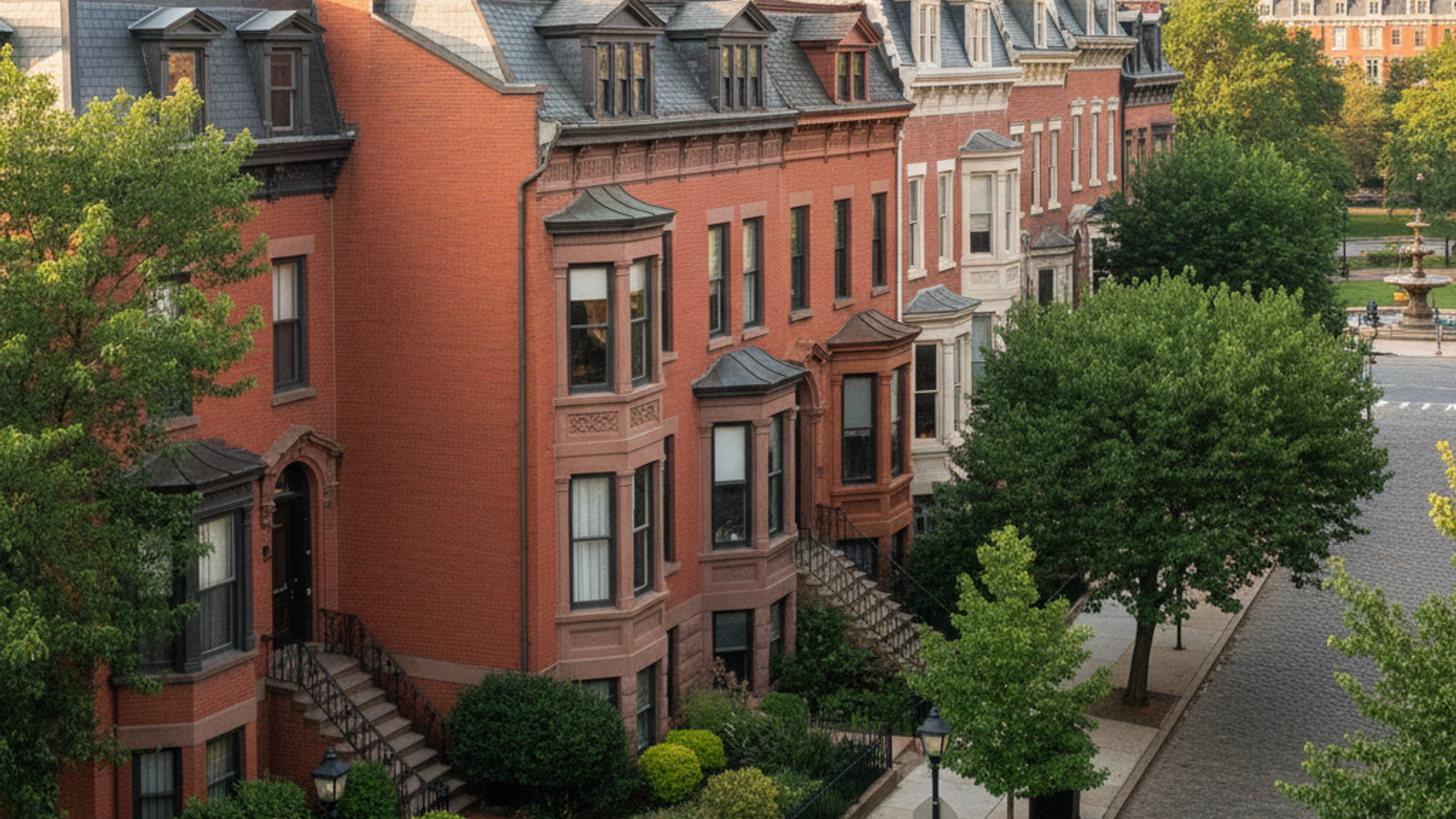
Historic Victorian rowhouses attract a different segment of the buyer pool and often follow a distinct timeline. Luxury properties priced over $1,500,000 naturally see longer listing periods because they cater to a much smaller group of qualified purchasers. Understanding the specific demand for your property type helps in setting a realistic target date for closing.
Seasonal Market Trends: The Best Time to Sell in DC
Real estate in Washington DC experiences distinct seasonal rhythms that directly affect the median days on market. The spring market traditionally brings heightened buyer demand, which often leads to shorter selling times. Historically, listing a property from late April to May yields faster sales and optimal pricing outcomes.
Winter months generally see a slowdown in foot traffic and an extension of the median days on market. Buyers looking during November through January are often highly motivated, but the overall volume of showings drops. Sellers listing during these colder months must be prepared for their property to sit slightly longer.
Timing your listing to align with peak seasonal demand is a highly effective way to minimize your days on the market. If your schedule allows, preparing your home in the winter for an early spring debut maximizes your exposure. A well-timed launch capitalizes on the surge of buyers entering the market as the weather warms up.
Objective Neighborhood Features That Drive Buyer Interest
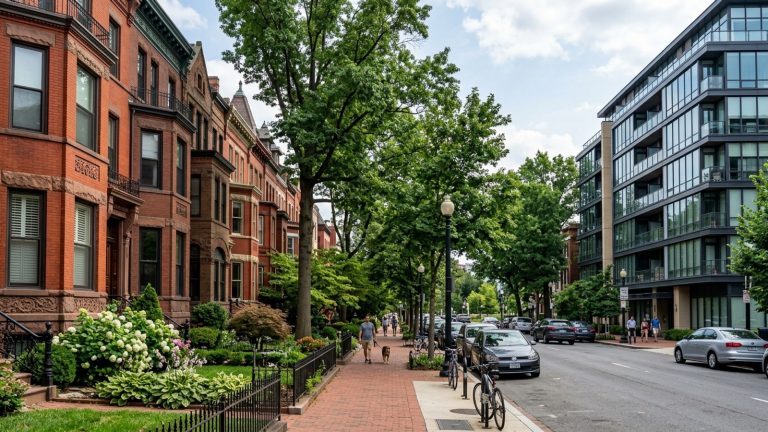
Location-based features play a massive role in how quickly a property secures a contract. Logan Circle boasts a walkability score that frequently ranks above 95, making it highly appealing to buyers who prioritize a car-free lifestyle. Proximity to major transit and employment hubs creates a sense of urgency among purchasers looking to minimize their daily commute.
Buyers are actively seeking neighborhoods that offer immediate access to daily necessities without requiring a vehicle. Properties situated just blocks away from grocery stores, pharmacies, and fitness centers consistently see higher foot traffic during open houses. This convenience factor translates directly into fewer days on the market.
The key takeaway is that marketing a Logan Circle property requires highlighting these objective geographical benefits. Emphasizing the exact distance to major city infrastructure helps buyers justify the premium prices associated with the 20005 zip code. Homes that clearly offer a highly connected urban experience spend far less time waiting for an offer.
Walkability, Metro Access, and the 14th Street Corridor
The specific amenities surrounding Logan Circle act as powerful catalysts for real estate demand. Buyers frequently target this area specifically for its dense concentration of urban resources. Highlighting these features in a listing description can significantly accelerate the sale process.
Proximity to established commercial zones reduces the time a property spends on the active market. When buyers can visualize a convenient daily routine, they are much more likely to submit an offer quickly.
- Distance to transit: The neighborhood offers a manageable 10 to 15 minute walk to both the Mt. Vernon Sq and Dupont Circle Metro stations.
- 14th Street amenities: Immediate access to the robust retail, dining, and grocery options along the 14th Street corridor drives consistent buyer interest.
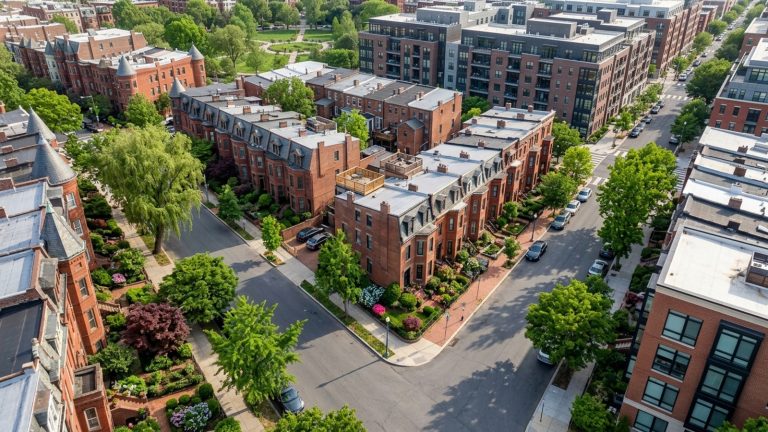
- Architectural appeal: The historic urban streetscapes and preserved architecture provide a unique aesthetic that modern developments cannot replicate.
Strategic Ways to Optimize Your Sale Timeline in the 20005 Zip Code
Reducing your days on market requires proactive planning and a deep understanding of local buyer expectations. Working with an experienced local real estate agent is the first step toward navigating the complexities of the 20005 zip code. An expert can provide the objective, data-driven advice necessary to position your property for a maximum return.
Initial pricing accuracy is the single most critical factor for a fast home sale in 2026. Homes priced accurately from day one are significantly more likely to sell within the first 30 days. When a property hits the multiple listing service at the correct value, it instantly captures the attention of buyers who have been waiting for new inventory.
Pre-listing preparations also play a vital role in preventing a property from lingering on the market. Addressing minor repairs, updating paint, and ensuring the home is meticulously clean removes potential objections before buyers even walk through the door. A turn-key property always commands faster offers than one requiring immediate work.
Staging for Urban Layouts and Pricing Strategies
Presentation and pricing must work together to create a compelling listing. Strategic staging helps buyers visualize themselves in the space, while a well-researched price tag validates their investment.
Executing these two elements correctly prevents a home from becoming stale inventory. Sellers who follow a structured approach to market preparation consistently see shorter listing timelines.
- Tailored staging: Maximize the perceived square footage in urban rowhouses and condos by using appropriately scaled furniture and neutral palettes.
- Comparative market analysis: Utilize recent, highly localized comparable sales within the 20005 zip code to establish a data-backed list price.
- Avoiding price drops: Overpricing initially leads to inevitable price reductions, which negatively impact buyer perception and extend the total timeline.
Frequently Asked Questions
Does a high HOA fee make my Logan Circle condo harder to sell?
High monthly association fees can reduce your buyer pool and increase your days on market. Buyers factor these recurring costs into their total monthly payment, which affects their overall purchasing power. Positioning the value of the building amenities is crucial to overcoming objections to a higher fee.
Are homes selling faster in Washington DC now than last year?
While prices rose through last year, the pace of sales has stabilized in 2026. Buyers are taking slightly more time to evaluate properties, pushing the average days on market to roughly 70 to 97 days in Logan Circle. Accurate pricing is more important this year to secure a timely contract.
Should I make repairs before listing my home?
Completing minor repairs before listing is highly recommended to prevent your property from stalling on the market. Buyers in the $710,000 to $785,000 range expect a move-in ready experience. Handling these issues upfront prevents buyers from using inspection findings to negotiate a lower sale price or delay the closing.