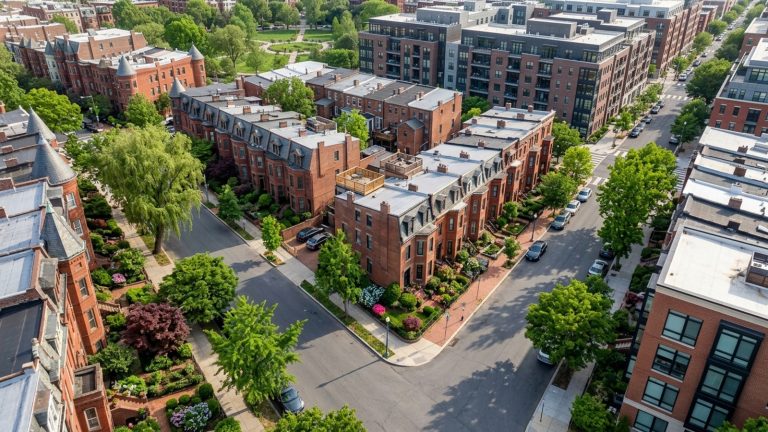

Preparing a property for the market requires more than just a fresh coat of paint and some new landscaping. Sellers in Washington, DC face a highly specific landscape where historic charm frequently intersects with strict modern buyer expectations.
If you plan to increase home value Logan Circle DC this year, you need a highly targeted preparation approach. Understanding local buyer preferences and neighborhood pricing ceilings will help you maximize your return on investment without overspending on the wrong upgrades.
Understanding the 2026 Logan Circle Real Estate Market
The local housing market has established a clear, methodical rhythm as we move through the spring of 2026. Buyer demand remains steady across the district, but current inventory levels dictate that properties must be in excellent condition to attract premium offers.
Sellers should anticipate a deliberate pace, as the average days on the market is currently hovering around 97 days. This extended timeline indicates that buyers are taking their time to carefully evaluate their options, schedule thorough inspections, and negotiate favorable contract terms.
Current Median Sale Price and Price Per Square Foot
Establishing a realistic baseline for your property requires looking at the most recent neighborhood transaction data. As of February 2026, the median sale price for the area as a whole sits at approximately $785,000, with a median sale price per square foot of roughly $595.
Location within the neighborhood dramatically impacts those baseline figures. Homes located within the designated Logan Circle Historic District command a significant premium, frequently seeing median prices closer to $1,100,000. A property’s exact placement on that pricing spectrum depends heavily on its overall interior condition and exterior curb appeal.
Highest ROI Renovations for Logan Circle Properties
Not all home improvements yield a positive financial return, making it crucial to select projects that align directly with local buyer expectations. Renovation strategies must be specifically tailored to the architectural style and structural type of the property you are preparing to list.
The most common mistake sellers make is over-improving a home beyond the neighborhood’s established pricing ceiling. A calculated approach ensures you spend money on upgrades that buyers actually value rather than installing highly personalized luxury features that offer zero return.
Upgrading Historic Victorian Rowhouses
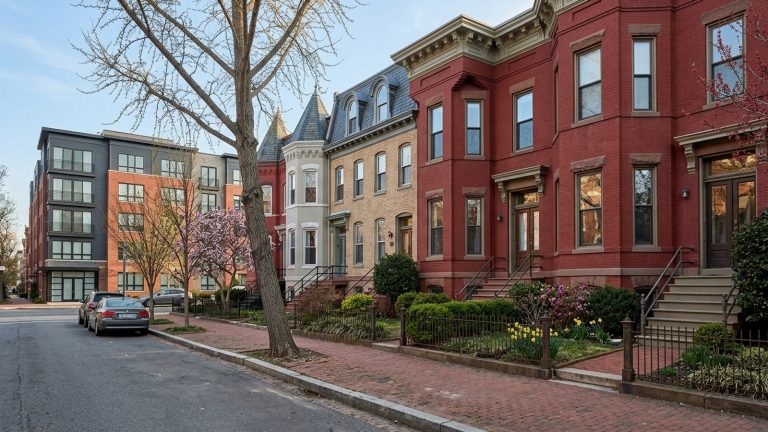
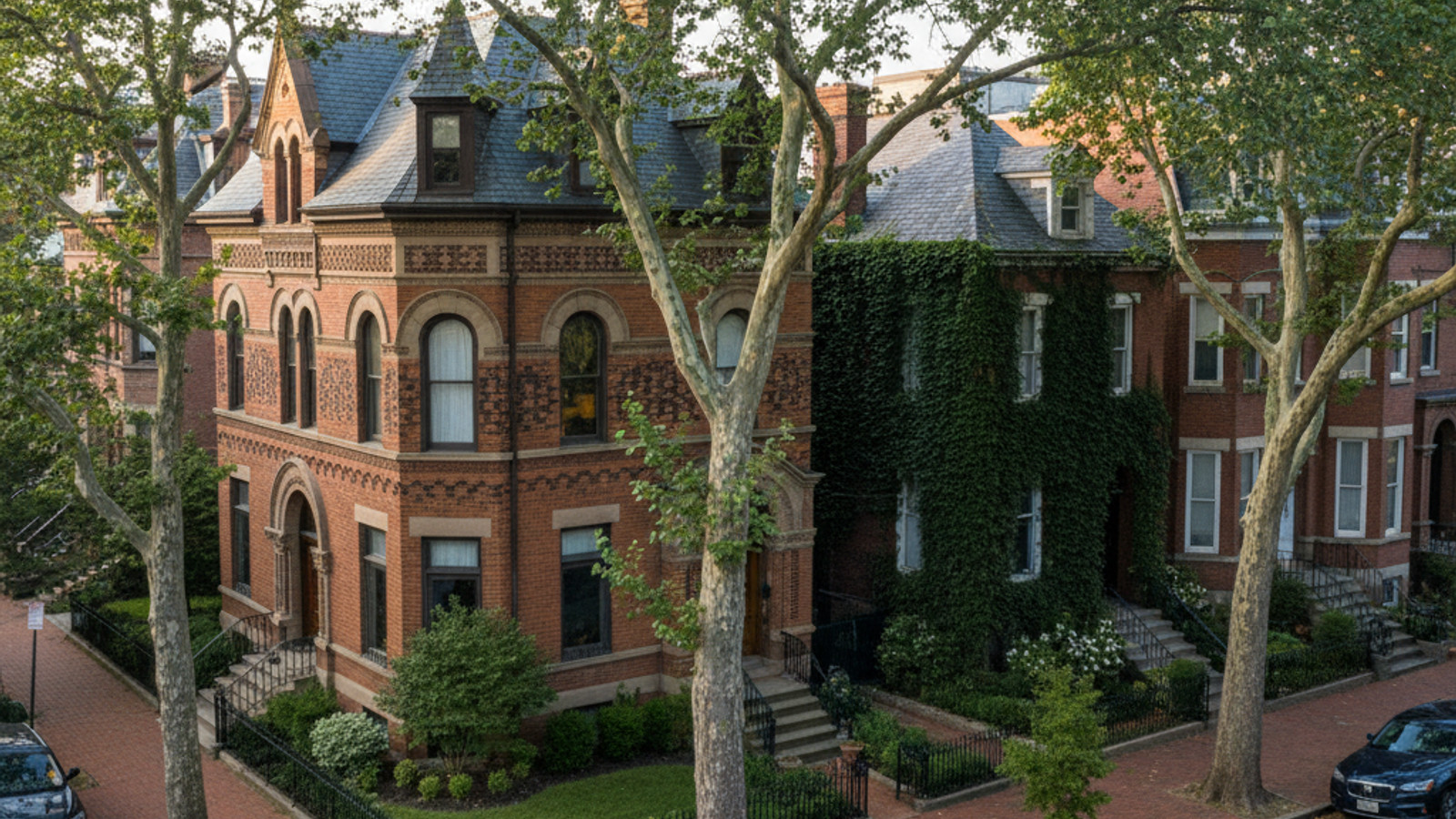
Modernizing a historic rowhouse requires balancing contemporary luxury with the preservation of original architectural charm. Updating kitchens and bathrooms to high-end standards is essential, but you should carefully preserve original details like ornate fireplaces, pocket doors, and original crown molding.
Practical upgrades also play a major role in securing top-dollar offers from cautious buyers. Replacing aging mechanical systems like HVAC and plumbing prevents buyer hesitation during inspections, while optimizing basement units for rental income adds immense tangible value.
Modernizing Condominiums for Buyer Preferences
Condominium owners must find creative ways to differentiate their units in a highly competitive multi-family housing market. Cosmetic upgrades like high-end hardwood flooring, integrated smart home technology, and modern lighting fixtures immediately elevate a standard unit above the competition.
Space optimization serves as another critical factor for buyers touring smaller multi-family properties. Maximizing storage with custom closet systems and creating multi-functional workspaces within limited square footage can make a unit feel significantly larger and more practical.
Navigating Historic Preservation Review Board (HPRB) Guidelines
Sellers planning exterior property updates must operate within a strict legal and regulatory framework established by the city. The DC Historic Preservation Review Board closely monitors and restricts any changes made to properties located within designated historic boundaries.
The first step in planning exterior work is determining if your property is classified as a contributing building within the historic district. Altering anything visible from the public right-of-way without proper approval can lead to expensive fines and forced, costly reversals of the unpermitted work.
The Permitting Process for Exterior Upgrades
Navigating the municipal approval process requires patience and a clear understanding of local preservation regulations. Sellers should always build extra time into their pre-listing schedule to account for mandatory permit reviews and potential design revisions.
Understanding the different levels of approval will help you manage your renovation timeline effectively. Sellers must navigate a tiered system based on the exact scope of their exterior project:
- Historically accurate materials are often required for windows, doors, and masonry repair, which can substantially increase your overall renovation budget.
- Small cosmetic exterior updates can frequently be approved directly by Historic Preservation Office staff without a lengthy delay.
- Larger structural additions or significant architectural changes will require a formal public hearing before the full preservation board.
Maximizing Appeal by Highlighting Local Amenities
Marketing the objective conveniences of the surrounding neighborhood is just as critical as showcasing the home itself. Location desirability heavily influences a buyer’s willingness to pay a premium price for a specific property.
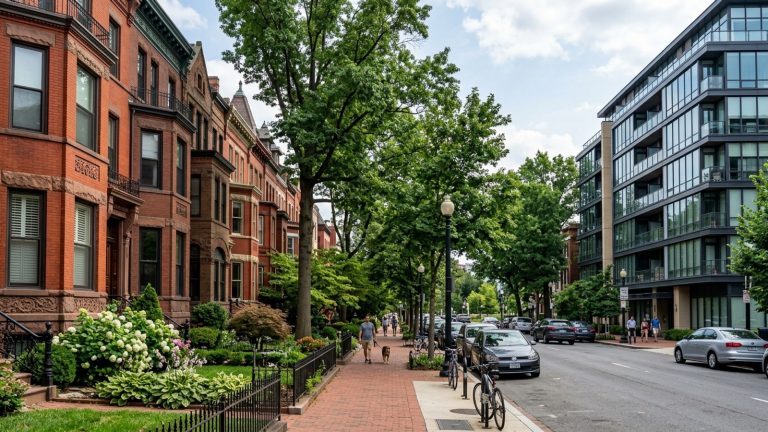
Buyers consistently prioritize easy access to daily necessities, grocery stores, and local entertainment options. Sellers should ensure their listing materials prominently feature high walkability scores and proximity to major neighborhood transit hubs.
Proximity to the 14th Street Corridor and Transit
Emphasizing specific neighborhood features helps potential buyers visualize their daily routine in a new location. Highlighting easy access to the extensive retail and dining options along the 14th Street corridor serves as a proven strategy for attracting strong offers.
Practical daily conveniences also carry significant weight in final buyer decision-making. Mentioning the nearby Whole Foods Market and the distinct commuting benefits of the Mt. Vernon Sq/7th St – Convention Center Metro station adds tangible value to the listing.
Frequently Asked Questions About Selling in Logan Circle
When is the best time to sell a home in Logan Circle?
The spring market traditionally brings the highest volume of active buyers, but local inventory also peaks during this season. Listing in late winter or early fall can help your property stand out while average days on the market sit near 97 days.
How do I price my home correctly in Logan Circle?
Correct pricing requires analyzing recent comparable sales and adjusting for your property’s specific interior condition. With the neighborhood median hovering around $785,000, pricing just below a major search threshold can effectively drive higher foot traffic.
Should I renovate my Logan Circle home before selling or sell as-is?
You should only undertake renovations that offer a proven return on investment, such as updating kitchens or repairing aging mechanical systems. If a home requires extensive structural work to reach the $595 per square foot median, selling as-is may be the more profitable route.