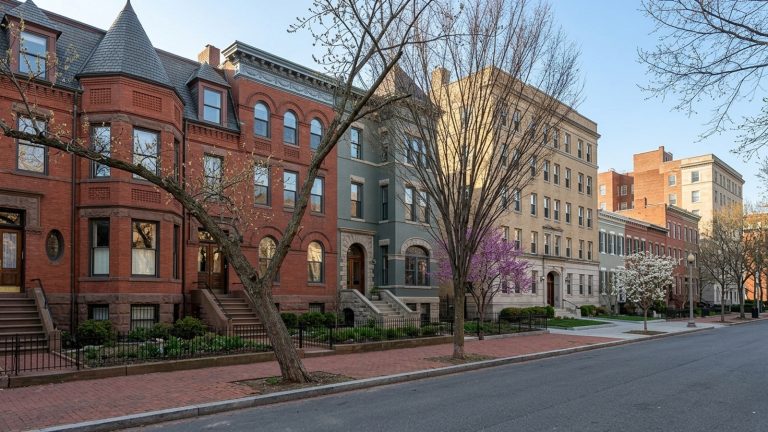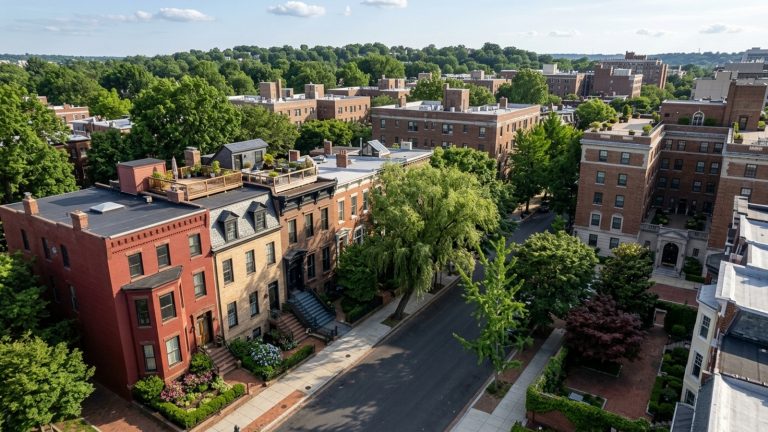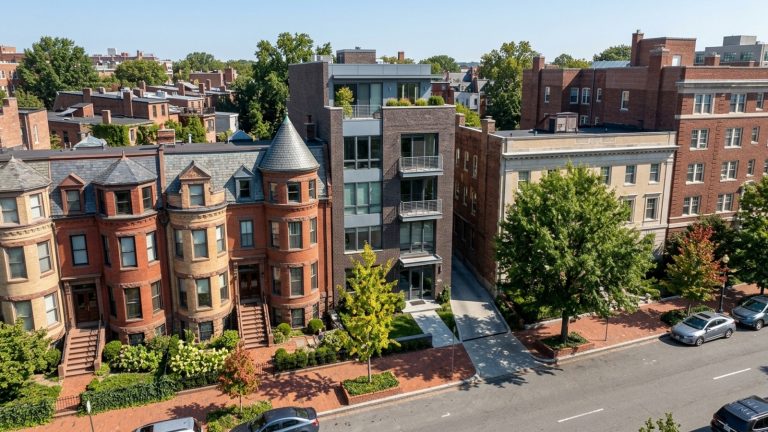

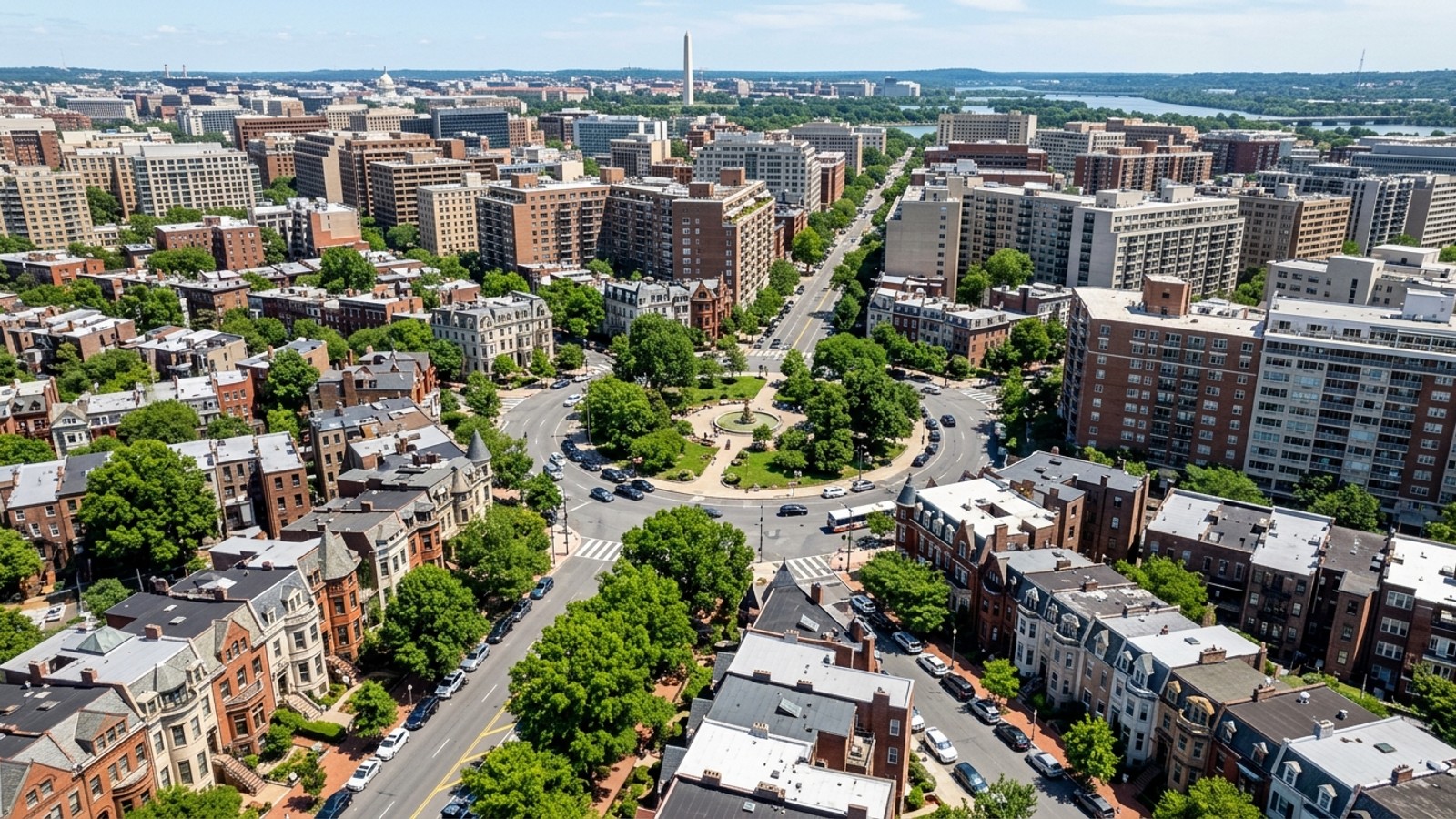
The median home sale price in Dupont Circle sits around $479,833, with homes spending about 45 days on the market. For older adults looking to downsize or transition into specialized care, living in Dupont Circle, DC offers a real alternative to traditional suburban campuses – one that trades expansive grounds for immediate access to public transit, museums, and top-tier medical centers.
Finding retirement communities in Dupont Circle, DC means looking at vertical living, historic building adaptations, and premium care facilities. That’s a different mental model than most buyers come in with, so it helps to understand what’s actually here before you start scheduling tours.
55+ and Senior Living in Dupont Circle at a Glance
The Washington, DC area carries a cost of living index of 181 – roughly 81% higher than the national average. That number matters before anything else, because older adults moving into this zip code are paying a premium for location, transit access, and convenience, and they should go in knowing that.
Right now there are about 105 active listings in the broader Dupont Circle housing market, though only a fraction belong to age-restricted or dedicated senior care buildings. Most older adults here end up choosing between standard elevator condos, luxury assisted living facilities, or income-restricted senior apartments.
Housing Types in the Neighborhood
Dedicated 55-plus communities are rare in the immediate neighborhood. What you’ll actually find is a mix of independent living facilities, assisted living centers, and standard residential buildings with high concentrations of older adults.
Those seeking a traditional continuing care retirement community (CCRC) often look toward the edges of Northwest, DC or neighboring suburbs. The core of Dupont Circle focuses more on high-rise apartments and converted historic hotels.
The 80/20 Age Rule in DC
The federal Housing for Older Persons Act (HOPA) governs age-restricted communities across the district. Under this law, a 55-plus community must have at least one person who is 55 or older living in at least 80% of its occupied units.
The remaining 20% of units can house younger residents, depending on the specific building’s bylaws. Read the homeowners association rules carefully – some DC buildings choose to enforce a 100% age restriction, which affects who you can sell to later.
Options for Senior Living in Dupont Circle
General market rent for all apartment types in Dupont Circle averages roughly $2,470 to $2,600 per month. Specialized senior housing runs higher than that, because you’re also paying for included meals, transportation, and medical staffing – not just square footage.
The available facilities cater to different stages of independence and medical need, so the right fit depends less on price than on what level of support you actually require.
Active-Adult and Independent Living
Independent living facilities operate much like standard apartment buildings but include amenities tailored to older adults – communal dining, housekeeping, organized social events – without providing medical care. They work well for seniors who want to downsize, drop the home maintenance, and have a built-in social network without giving up their autonomy.
Assisted Living and Memory Care
Assisted living centers provide daily help with medication management, bathing, and dressing, with staff on site around the clock. Memory care units operate within or alongside these buildings, offering specialized support for individuals with Alzheimer’s or dementia – enhanced security to prevent wandering, staff trained in cognitive therapies, that kind of structure.
Continuing Care Retirement Communities (CCRC)
A CCRC lets you move into an independent living unit and transition to assisted living or skilled nursing as your health needs change. The appeal is straightforward: you don’t have to change addresses if your condition worsens. The catch is a large upfront entrance fee followed by monthly maintenance dues. It’s a model that provides long-term stability, but it requires significant upfront capital.
Senior Apartments and Urban Condos
Many older adults in Dupont Circle bypass specialized facilities entirely and buy standard urban condos. Buildings with elevators, single-floor layouts, and concierge services offer a practical alternative to age-restricted housing, and condos here sell at a median price of about $479,833. Income-restricted senior apartments also exist in the district for those who qualify based on household earnings.
Featured Senior Communities in the Area
The recent conversion of the former Fairfax at Embassy Row hotel brought a significant new senior living option to the neighborhood – and it’s a good example of the broader trend of repurposing historic DC properties into specialized care facilities. Buyers and renters looking for specific communities will find a mix of ultra-luxury care centers and standard accessible apartments, with proximity to the traffic circle itself doing a lot to set the price.
Inspir Embassy Row
Inspir Embassy Row is a luxury senior living community at 2100 Massachusetts Ave NW, two blocks from Dupont Circle. It occupies the former Fairfax at Embassy Row hotel and offers independent living, assisted living, and memory care, with premium dining, wellness programs, and high-end finishes. It’s the top tier of the local market for seniors who want comprehensive care in a historic setting.
Affordable and Low-Income Housing
Finding low-income senior housing in Dupont Circle is genuinely difficult given the area’s real estate values. Some buildings in the broader Northwest, DC area offer subsidized units based on Area Median Income limits, but applicants often face long waitlists. If affordable housing is a priority, apply to multiple buildings across the district rather than holding out for one specific neighborhood.
Buying Versus Renting in Northwest, DC
Renting gives you flexibility – useful if you’re not certain you want to stay in the city long-term. Leases let you test the urban lifestyle without committing to a mortgage. Buying an accessible condo builds equity, but factor in the neighborhood’s 3.7 months of housing supply, the average 45 days on market, and condominium association fees that add to monthly carrying costs and can increase annually.
Expanding Your Search to Kalorama
Just north of Dupont Circle, Kalorama offers quieter, tree-lined streets with large historic apartment buildings. Many older adults prefer it for the residential feel while staying close to the commercial corridor. There are fewer dedicated care facilities here, but a steady inventory of elevator-equipped co-ops and condos – and the slight remove from the main traffic circle makes for a calmer daily environment.
What Senior Living Costs in Dupont Circle
General market rent for all apartment types in Dupont Circle averages roughly $2,470 to $2,600 per month, and specialized senior housing adds a premium on top of that. The financial structure varies widely depending on whether you’re looking at a standard condo, a rental assisted living facility, or a CCRC – so budget for base housing costs plus the specific care services you’ll actually need.
Average Rents for Senior Apartments
There’s no reliable 55-plus specific rent average for Dupont Circle itself. Age-restricted senior buildings elsewhere in DC list rents from about $948 to over $3,900, depending on unit size and income restrictions. Market-rate independent living facilities in the immediate area will price well above standard apartment rents – the inclusion of utilities, meals, and specialized staff drives those monthly costs up considerably.
CCRC Entrance Fees and Monthly Dues
In the Washington, DC area, CCRC entrance fees typically range from about $300,000 to $600,000. Broader, DC-area listings show a wider range – from roughly $30,000 up to $1,000,000 – depending on the contract type and unit size. After the entrance fee, residents pay a monthly maintenance fee covering dining, amenities, and future care. Before signing anything, get clarity on how much of that entrance fee is refundable to your estate.
Medicare and Care Assistance
Medicare does not cover room and board in an assisted living facility or independent living community. It only pays for specific short-term skilled nursing care or medical treatments prescribed by a doctor. Some low-income seniors in DC use Medicaid waiver programs to help cover the cost of personal care services within assisted living facilities, though these programs have strict income and asset limits.
Retiring in Dupont Circle: Lifestyle and Amenities
The closest major hospitals include George Washington University Hospital in Foggy Bottom, MedStar Georgetown University Hospital, Sibley Memorial Hospital, and MedStar Washington Hospital Center. That concentration of medical facilities draws a lot of older adults to this part of the city, and it’s not hard to understand why. Add wide sidewalks, flat terrain in the commercial center, and immediate access to the Metro Red Line, and you have a setup where many daily needs – groceries, pharmacies, cultural institutions – don’t require a car at all.
Understanding the Local Cost of Living
The overall cost of living index for Washington, DC is 181, meaning it’s about 81% higher than the national average, with housing and transportation driving most of that gap. Retirees on a fixed income should calculate expected monthly expenses carefully before committing. You might save money by selling a vehicle, but the high cost of groceries and services offsets more of that than people expect.
Healthcare Access and Walkability
The short distance to George Washington University Hospital means faster emergency response times and straightforward access to specialists – something that matters more as you get older. The neighborhood’s layout also supports daily errands on foot, with pharmacies, banks, and grocery stores within a few blocks of the main residential corridors.
Pros and Cons of Urban 55+ Housing
About 23.7% of homes in the Dupont Circle area sold above their list price recently, which reflects sustained demand for urban real estate here. That’s the context you’re buying into – and it comes with real trade-offs compared to a suburban retirement setting.
The Benefits of a City Environment
Urban senior living tends to cut down on the isolation that can develop in large suburban facilities. You walk out your front door into a multi-generational neighborhood, not a campus. The concentration of museums, theaters, and restaurants gives residents a lot of ways to stay active, and proximity makes it easier to actually use them.
Common Drawbacks to Consider
Space is limited. Expect smaller floor plans and less storage than a single-family home, and don’t count on expansive grounds, walking trails, or private golf courses – those aren’t part of the Dupont Circle picture. Traffic congestion and street noise can wear on residents who are used to quieter environments, and the high cost of urban real estate feeds directly into higher monthly care fees and condo dues.
How to Tour and Choose a Facility
With 105 active listings in the broader Dupont Circle market, you have options – but dedicated care facilities require direct tours to evaluate properly. Floor plans and marketing materials won’t tell you what you need to know.
Visiting in person lets you observe staff interactions, taste the food, and get a feel for the atmosphere. Schedule those visits during active hours so you can see how the community actually functions day to day.
Questions to Ask the Staff
Ask about the staff-to-resident ratio during both day and night shifts, and get a clear breakdown of which services are included in the base monthly fee versus what costs extra. Ask how the facility handles the transition to a higher level of care if your health declines – and specifically what the eviction policies and care limits look like. Knowing that before you sign avoids an unwanted relocation later.
Booking Your Visit
Tour multiple communities so you have something to compare against. Try to visit during meal times to see the dining service and watch residents interacting. Bring a checklist of your non-negotiables – pet policies, dietary accommodations, whatever matters most to you – and take notes at each stop. The details blur together faster than you’d think.
Frequently Asked Questions
Are there dedicated 55+ retirement communities in Dupont Circle, or mostly senior-friendly elevator condos?
Dedicated 55-plus communities are rare in the immediate neighborhood. Most older adults in Dupont Circle choose between senior-friendly elevator condos, luxury assisted living facilities like Inspir Embassy Row, or income-restricted senior apartments.
How much are the average monthly HOA and care fees for independent senior living in the Dupont area?
There is no reliable Dupont Circle-specific average for 55-plus independent living fees. General market rent in the area runs roughly $2,470 to $2,600 per month, and specialized independent living will price higher due to included meals and staff services.
What are the accessibility challenges for seniors buying into historic Dupont Circle buildings?
Many historic rowhouses and older condo buildings lack elevators and feature steep front steps. Buyers should verify that a building offers step-free access and single-floor layouts before purchasing.
How does retiring in a walkable DC neighborhood like Dupont Circle compare to traditional suburban Maryland or Virginia facilities?
Dupont Circle offers immediate pedestrian access to transit, dining, and major hospitals like George Washington University Hospital. Suburban facilities typically provide larger floor plans and expansive grounds but require a car or shuttle for off-campus trips.
How long is the typical waitlist for continuing care retirement communities (CCRCs) in Northwest, DC?
Waitlists vary by facility, but popular CCRCs in the DC area often have wait times stretching from several months to a few years. Prospective residents should apply early and prepare for entrance fees ranging from $300,000 to $600,000.
What are the specific age restrictions and co-occupant rules if I buy a 55+ condo in Washington, DC?
Under the 80/20 rule, a 55-plus community must have at least one person who is 55 or older in 80% of its occupied units. The individual condo association dictates whether younger spouses or adult children can live in the remaining units.