
If you’ve ever typed “Logan Circle” into a property search and ended up scrolling through listings in two completely different cities, you’re not alone. Buyers weighing the pros and cons of living in Logan Circle, DC against options in Philadelphia run into this constantly – the neighborhood names overlap, the search results mix, and suddenly your budget assumptions are off by several hundred thousand dollars. Both cities have historic architecture and dense urban living, but the financial picture is genuinely different between them.
Philadelphia has its own well-known area centered around its Logan Circle, and that’s where the online confusion starts. Understanding what separates DC’s Logan Circle from the broader Philadelphia market isn’t just academic – it directly affects what you can afford, what you’ll pay in taxes every year, and what your day-to-day life actually looks like.
Home Prices and Property Types in Both Markets
These two cities sit in completely different pricing tiers, and your purchasing power shifts dramatically depending on which side of the comparison you’re on. Setting a realistic budget means looking at current local sales data rather than broad national averages.
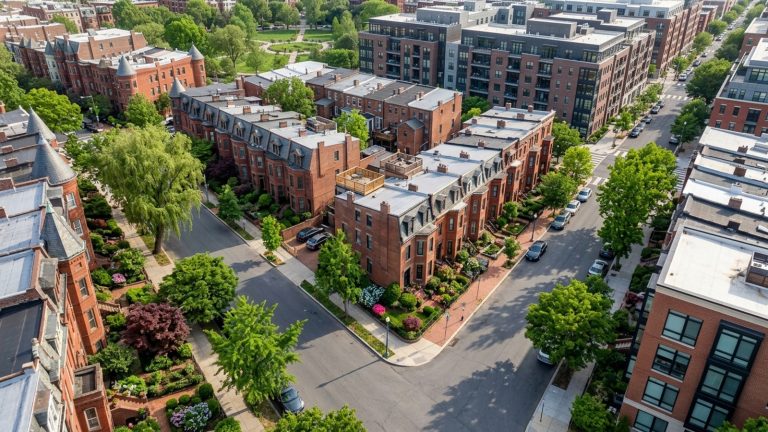
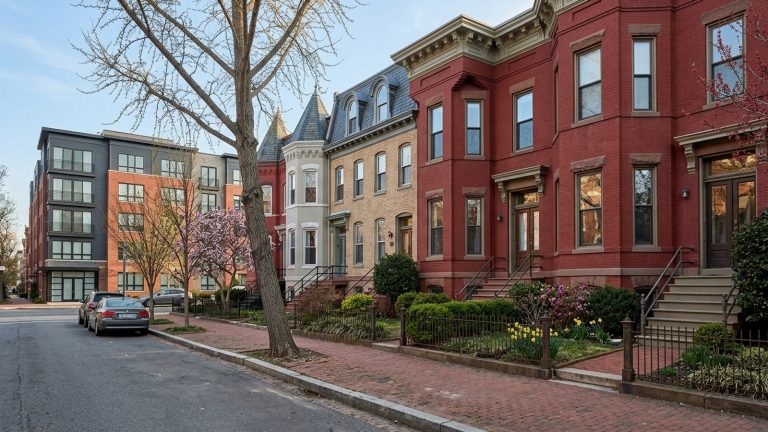
The housing stock in both locations reflects late-19th-century growth, but modern development has reshaped the available inventory in each city in its own way. Historic rowhomes exist in both places – what differs is the surrounding development and what that does to current market values.
Median Home Prices and Market Pace
In Washington, DC’s Logan Circle, the median sale price sits around $814,717. Homes there spend an average of 53 days on the market, sellers receive about 99.5% of their asking price, and the area carries roughly 6.9 months of housing supply – which gives buyers a moderate amount of inventory to work with.
Philadelphia is a different conversation entirely. The citywide median home sale price runs roughly $275,000. Pull back to the broader Philadelphia metro area and that median rises to somewhere between $405,000 and $420,000. For buyers where budget is the primary driver, that gap is hard to ignore.
Typical Housing Styles
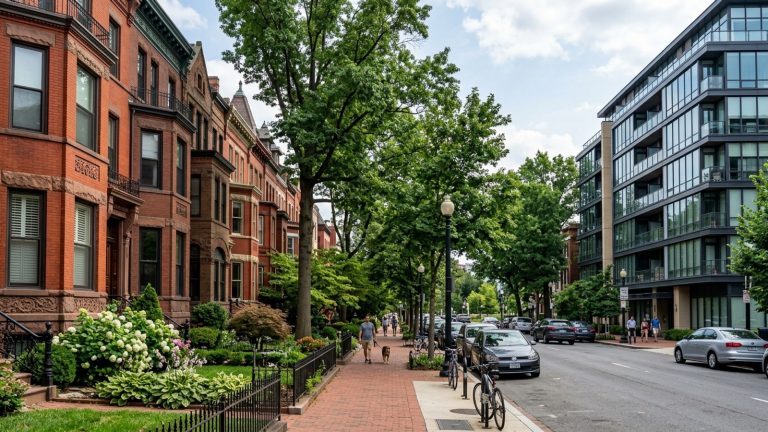
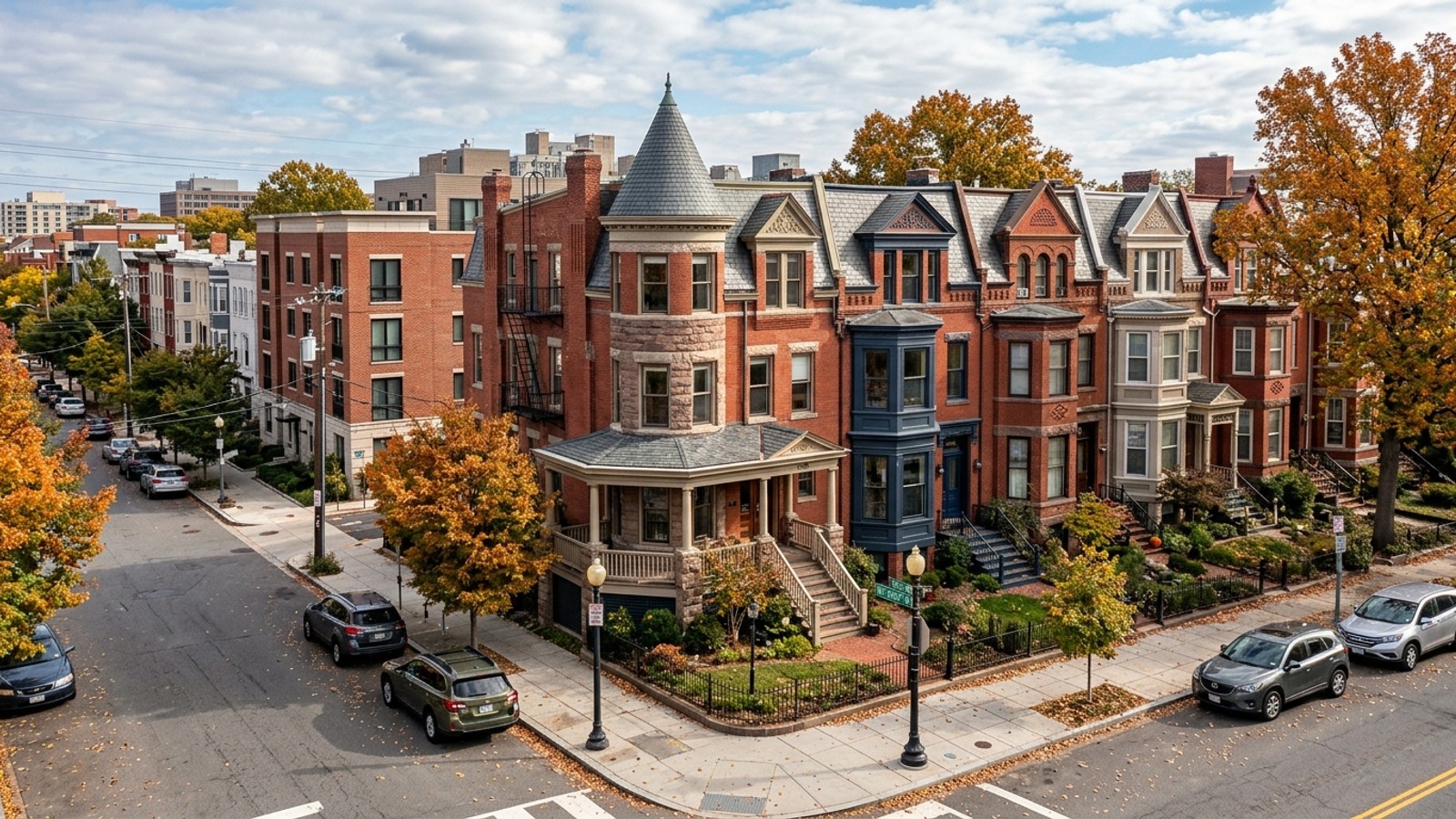
Logan Circle in DC is defined by its late-19th-century Victorian rowhouses – brick and stone facades, three stories tall, with an additional basement level. The neighborhood also has a substantial inventory of condo conversions carved out of former rowhouses and commercial buildings. Buyers looking specifically for newly built mid-rise condominiums will find a heavy concentration of them along the 14th Street NW corridor.
Philadelphia’s residential streets are dominated by traditional rowhomes, which make up the vast majority of what’s available citywide. The area around Philadelphia’s Logan Square skews differently – high-rise condominiums and luxury apartments rather than the classic rowhome blocks you’ll find across the rest of the city. Both cities share that late-19th-century DNA, but the specific styles and what’s been built around them since then pull the markets in different directions.
Taxes and Daily Living Expenses
The mortgage payment is only part of what you’re committing to. Washington, DC and Philadelphia handle local taxation differently, and that changes your monthly carrying costs in ways that aren’t always obvious until you’re already under contract.
Beyond taxes, the general cost of living separates these two cities. Groceries, utilities, and services all cost more in DC than they do in Philadelphia.
Property Taxes
Washington, DC taxes owner-occupied residential property at $0.85 per $100 of assessed value, and the district assesses all real property at 100% of market value. After applying benefits like the Homestead Deduction, the effective residential tax rate drops to roughly 0.6% to 0.63%.
Philadelphia homeowners pay local property taxes, but the city also levies a distinct wage tax on residents and workers. That’s the piece buyers relocating to Philadelphia sometimes underestimate – it needs to factor into your net take-home pay calculations, not just your property budget. Lower property values don’t tell the whole story when you’re adding a local income tax on top.
Regional Cost Differences
Living in Washington, DC requires a higher baseline income than living in Philadelphia. Cost of living indices put DC roughly 20% to 43.4% more expensive overall, reflecting higher costs for housing, transportation, and daily necessities.
Buyers moving from DC to Philadelphia often find themselves with noticeably more discretionary income each month. If you’re going the other direction – relocating to Logan Circle from Philadelphia – prepare for higher prices across most consumer categories. That adjustment is real and worth building into your planning.
Travel Between Washington, DC and Philadelphia
If you’re splitting time between these two cities for work, the logistics matter. They sit roughly 140 miles apart by road, and that distance is served by both highway and established rail networks – one of the busiest corridors in the country.
Driving Routes and Times
Driving from Logan Circle in DC to Center City Philadelphia takes approximately 2.5 hours under standard conditions, following I-95 North through Maryland and Delaware before crossing into Pennsylvania. Traffic around Baltimore and the Delaware Memorial Bridge regularly stretches that baseline, and daily driving is impractical for most professionals making this trip on any kind of schedule.
Inter-City Transit Options
Amtrak is the practical alternative. Trains depart from Union Station in DC, which is a short distance from Logan Circle. The Acela express service gets you to Philadelphia in about 1 hour and 40 minutes to 2 hours. The Northeast Regional takes roughly 2 hours and 10 minutes and tends to be more economical. Buyers who need to make this trip weekly often make easy Union Station access a real priority when they’re deciding exactly where to buy in DC.
Parks, Dining, and Daily Convenience
Both DC and Philadelphia offer dense, walkable environments with mature park systems – that’s a genuine shared strength. But the specific layout of each neighborhood shapes how you actually move through your day, and that’s worth understanding before you commit to either location.
Parks and Outdoor Space
DC’s Logan Circle takes its name from Logan Circle Park, which sits directly at the center of the neighborhood. The park features a prominent statue of Major General John A. Logan, and residents can walk to nearby green spaces including Thomas Circle to the south and Stead Park to the west.
Philadelphia’s Logan Circle functions as a major public space along the Benjamin Franklin Parkway. Both cities use these circular parks as traffic roundabouts and pedestrian gathering spaces, with mature trees and seating areas that give residents a genuine break from the surrounding streets.
The 14th Street Corridor
Logan Circle in DC has a Walk Score of 96. The neighborhood’s commercial activity runs along the 14th Street NW corridor – an uninterrupted stretch of restaurants, retail stores, and grocery options where residents can handle almost every daily errand on foot. Philadelphia offers comparable walkable commercial districts, particularly in Center City. In both locations, dense urban planning means a personal vehicle is genuinely optional for daily life, not just theoretically optional.
Frequently Asked Questions
Is buying a home in Logan Circle, DC more expensive than real estate near Logan Circle in Philadelphia?
Yes – by a significant margin. The median sale price in DC’s Logan Circle is approximately $814,717. Philadelphia’s citywide median sits around $275,000, and even the broader Philadelphia metro area median tops out near $420,000.
How can I easily filter out Philadelphia properties when searching online for homes in Logan Circle, DC?
Use map-based search boundaries or filter specifically for the District of Columbia. Searching by neighborhood name alone regularly pulls up listings near Philadelphia’s Logan Square. Setting a minimum price filter can also help clear the lower-priced Philadelphia inventory out of your results.
What are the main lifestyle and neighborhood differences between DC’s Logan Circle and the Philly location?
Both areas have prominent circular parks with public seating and monuments, but their surrounding layouts differ. DC’s Logan Circle connects directly to the 14th Street NW corridor, putting dense retail and dining within walking distance. Philadelphia’s Logan Circle serves as a major focal point along the Benjamin Franklin Parkway, surrounded by museums and large civic buildings rather than a commercial retail strip.
Are the historic rowhomes in Logan Circle, DC similar to the housing stock available around the Philadelphia circle?
They share late-19th-century characteristics but differ in scale and finish. DC’s Logan Circle is known for large Victorian rowhouses with brick and stone facades that typically stand three stories tall over a basement. Philadelphia’s broader rowhome inventory includes a wider mix of sizes, while the immediate area around its Logan Circle has a higher concentration of modern high-rise condominiums.
Which Logan Circle offers better long-term property value appreciation for investors: Washington, DC or Philadelphia?
They’re genuinely different investment propositions. DC’s Logan Circle is a high-cost, established market – homes currently average 53 days on market with a 99.5% sale-to-list ratio. Philadelphia offers a lower barrier to entry, but the city’s wage tax and different cost of living trajectory are factors any buyer should work through before deciding.
How do property taxes and HOA fees in Logan Circle, DC compare to those in Philadelphia’s Logan Square area?
Washington, DC taxes owner-occupied residential properties at $0.85 per $100 of assessed value, with an effective rate of roughly 0.6% to 0.63% after the Homestead Deduction. Philadelphia assesses its own local property taxes alongside a separate city wage tax. HOA fees in both locations depend entirely on the specific condominium building – there’s no standard citywide rate in either market.